
Golf, a sport synonymous with precision, patience, and prestige, has a rich and fascinating history that spans centuries. From its humble beginnings on the windswept links of Scotland to its current status as a global phenomenon, the game has undergone significant transformations. This blog post explores the origins, historical development, and modern evolution of golf, offering insights into how it became one of the world’s most beloved sports.

The Ancient Roots of Golf

While modern golf is widely recognized as a Scottish invention, its origins can be traced back to various ancient ball-and-stick games played across Europe and Asia. Some historians suggest that a game resembling golf was played in Roman times, where participants used a bent stick to hit a stuffed leather ball. Similarly, the Chinese “chuiwan” (捶丸), meaning “hit-ball,” was played as early as the Song Dynasty (960–1279 AD), involving striking a ball into holes with clubs.

In medieval Europe, games like “cambuca” in England and “kolven” in the Netherlands involved hitting a ball toward a target. However, none of these games directly evolved into golf as we know it today. Instead, they laid the groundwork for a sport that would later flourish in Scotland.

The Birth of Golf in Scotland

The true birthplace of modern golf is Scotland, where the game was first documented in the 15th century. The earliest written record dates back to 1457, when King James II of Scotland banned “gowf” (an early spelling of golf) because it distracted soldiers from archery practice, which was crucial for national defense. Despite royal disapproval, the game’s popularity grew.

Scotland’s natural landscape, particularly the sand dunes and open grasslands known as “links,” provided the perfect terrain for early golf courses. The Old Course at St Andrews, established in the early 16th century, is considered the oldest golf course still in play today. By the 18th century, golf had become an organized sport, with the first official rules codified by The Honourable Company of Edinburgh Golfers in 1744.

The Spread of Golf Across the British Isles and Beyond

As Scotland’s influence expanded, so did golf. The game gained traction in England during the 19th century, particularly among the upper classes. The Royal Blackheath Golf Club, founded in 1766, is one of the oldest golf societies outside Scotland.

The Industrial Revolution played a crucial role in golf’s expansion. Improved transportation (like railways) allowed people to travel more easily to golf courses, while mass production made clubs and balls more affordable. The introduction of the gutty ball (made from gutta-percha rubber) in 1848 replaced the earlier feather-stuffed balls, making the game more accessible.

Golf Crosses the Atlantic: The Rise of American Golf

Golf reached North America in the late 18th century, but it wasn’t until the late 19th century that it truly took off. The United States Golf Association (USGA) was founded in 1894 to standardize rules and organize competitions. The first U.S. Open was held in 1895, marking the beginning of competitive golf in America.

Key figures like Bobby Jones, who co-founded the Augusta National Golf Club and established the Masters Tournament in 1934, helped elevate golf’s prestige. Meanwhile, Arnold Palmer, Jack Nicklaus, and Tiger Woods later became global ambassadors, transforming golf into a televised spectacle.

The Globalization of Golf in the 20th and 21st Centuries

The 20th century saw golf spread worldwide, with major tournaments like The Open Championship (British Open), the U.S. Open, The Masters, and the PGA Championship becoming the sport’s most prestigious events—collectively known as the “Majors.”

Technological advancements revolutionized the game:

Metal and graphite clubs replaced traditional wooden ones.

High-performance golf balls improved distance and accuracy.

Launch monitors and swing analysis software allowed players to refine their techniques.

Golf’s inclusion in the Olympics (2016, after a 112-year absence) further cemented its global appeal. Countries like Japan, South Korea, and Australia have produced world-class players, proving that golf is no longer dominated solely by Western nations.

The Future of Golf: Innovation and Inclusivity

Today, golf continues to evolve. Top golf and simulators are making the sport more accessible to urban audiences, while initiatives like Drive, Chip & Putt aim to attract younger players. The rise of LIV Golf, a controversial breakaway league, has sparked debates about the sport’s future structure.

Additionally, efforts to promote diversity and inclusion—such as increasing female participation and breaking down socioeconomic barriers—are reshaping golf’s traditionally exclusive image.

Conclusion: A Timeless Sport with a Dynamic Future

From its disputed ancient origins to its modern-day global presence, golf has endured as a sport of skill, strategy, and tradition. Its evolution reflects broader societal changes—technological progress, globalization, and shifting cultural attitudes. As golf continues to adapt, one thing remains certain: its timeless appeal will captivate players and fans for generations to come.

Whether you’re a seasoned golfer or a curious newcomer, understanding the game’s history deepens appreciation for every swing, putt, and championship moment. So next time you step onto the green, remember—you’re part of a tradition that spans centuries.

What’s your favorite moment in golf history? Share your thoughts in the comments!


1.What is spin means in golf?

In golf, the spin of a ball refers to the rotation it has while in flight, which can be influenced by factors such as club head speed, club face angle, and the type of ball used. High spin and low spin balls have different characteristics:

High Spin Ball:

A high spin ball tends to have more backspin, which can cause it to stop or even back up slightly after landing, making it ideal for short approach shots and green side chip shots.

The extra spin can also help golfers control the ball’s trajectory and landing spot, especially for skilled players with a fast swing speed.

However, too much spin can lead to a loss of distance, as the ball doesn’t travel through the air as efficiently.

Low Spin Ball:

A low spin ball has less backspin, which can result in a longer carry distance and reduced sidespin, making it more suitable for long drives.

The reduced spin can help golfers with slower swing speeds achieve more distance, as the ball doesn’t lose as much energy due to aerodynamic drag.

Low spin balls can be less forgiving on off-center hits, as they tend to have less control in the air and on landing.

How to choose?

Golfers often choose ball types based on their swing characteristics, playing conditions, and personal preferences. Professional golfers might opt for a ball that generates more spin for better control around the greens, while amateur golfers might prefer a low spin ball for added distance.


The examples

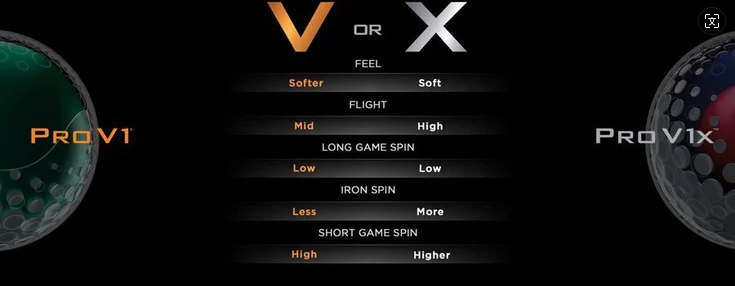
Titleist Pro V1 and Pro V1x golf balls have distinct spin rate characteristics. The Pro V1x is designed to produce a lower spin rate off the tee, which can result in a straighter ball flight with less dispersion. However, it can have a higher spin rate on approach shots and around the greens, approximately 4.3% to 4.6% more than the Pro V1. The Pro V1, on the other hand, is known for its balanced spin profile, with a medium-high trajectory, lower spin on long shots, and higher spin on short shots, providing a softer feel. These differences cater to the preferences of different golfers, with Pro V1x being more suitable for those seeking lower overall spin and Pro V1 for those who value a more spin-friendly ball.

How to find a similar balls at JTS

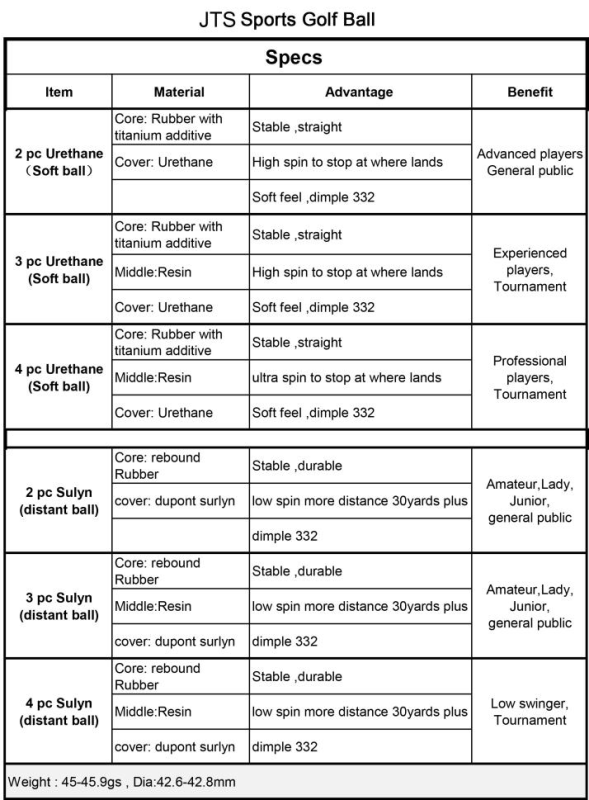
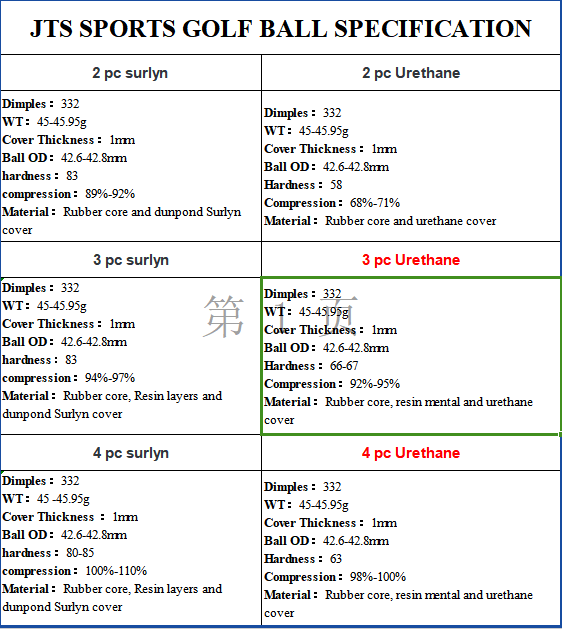
Before choose the right ball from JTS sports, You must know our ball specifications.

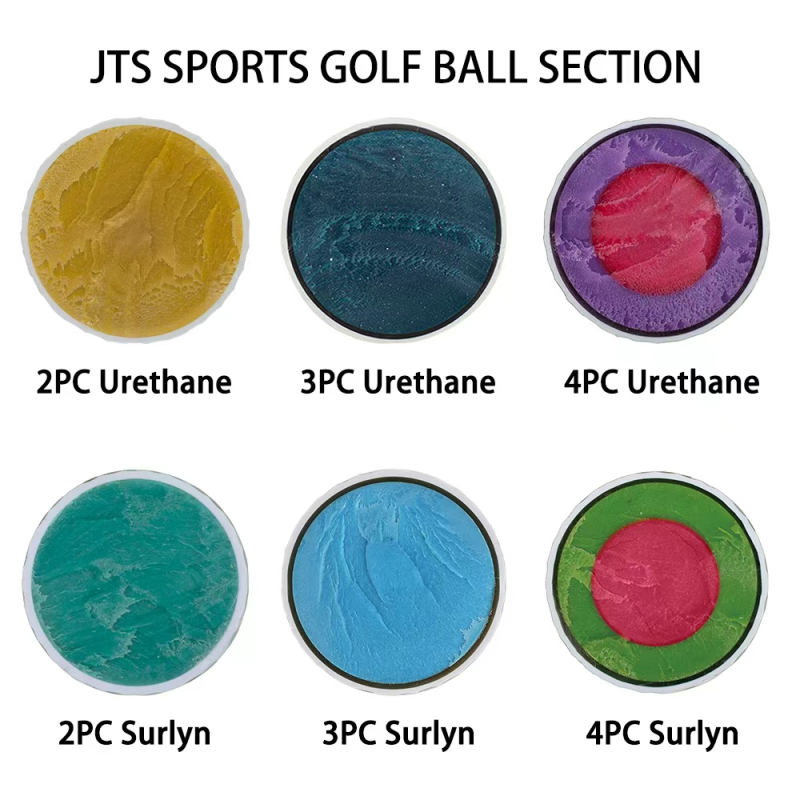
As you can see the specification form, the 4 piece urethane compression is higher than 3 piece urethane, which means 4 piece urethane is harder and less spin than 3 piece urethane.

But first you should know how compression affects the game.

The compression

Golf ball compression is a measure of how much a ball deforms under pressure, specifically during impact with a golf club. It is rated on a scale from 1 (lowest compression) to 100 (highest compression). The compression rating affects several factors, including:

Distance: Lower compression balls tend to compress more at impact, especially for golfers with slower swing speeds. This additional compression can lead to better energy transfer, resulting in more distance.

Feel: Higher compression balls generally provide a harder, more solid feel at impact, which some golfers prefer, especially those with faster swing speeds.

Control: Higher compression balls can offer more control around the greens due to their reduced deformation, which can lead to a more consistent spin rate.

Spin: Lower compression balls can generate more spin, which can be beneficial for golfers who want more control over their shots, especially on short irons and wedges.

Softness: Lower compression balls are often considered softer and can provide a better feel for golfers with slower swing speeds or those who prefer a softer touch.

Golfers typically choose a ball with a compression that suits their swing speed and playing style. Faster swingers often opt for higher compression balls, while slower swingers or those seeking more distance might prefer lower compression options. It’s essential to note that compression is just one aspect to consider when selecting a golf ball, as other factors like ball construction, cover materials, and dimple patterns also play a significant role in performance.


How to choose your dream golf ball?

The best golf ball may not suit for every golfer, compared with 3 piece urethane ball. 4 piece urethane has better performance, definitely a more solid ball. But higher performance will lead the cost to a higher level.

For most of golfers to say, golf just a sports when they can enjoy their weekend but for make a living.

And for some beginners, they may miss many shot when they swing. So range ball or 2 piece surlyn ball more suit for them. As you know the soft urethane isn’t suit for practice as the cover wouldn’t durable as surlyn hard ball.


In the global golf equipment industry, logistics plays a critical role that is often underestimated. While product design and manufacturing receive significant attention, the transportation phase presents unique risks—particularly for components like golf shafts, which are long, slender, and highly sensitive to external stress.

Damage during shipping does not always result in visible breakage. Micro-deformation, surface abrasion, and internal structural stress can compromise performance without immediate detection. For suppliers, distributors, and buyers, understanding how golf shafts are protected during logistics is essential to maintaining product integrity.

This article examines the challenges of transporting golf shafts and the protective solutions developed to address them.

Structural Vulnerability of Golf Shafts

Golf shafts are engineered to precise flex profiles, balancing stiffness and elasticity. This structural precision also makes them vulnerable during transport.

Unlike bulkier equipment, shafts can be affected by bending forces, compression, and vibration. Even slight deviations from their original shape can alter performance characteristics such as swing dynamics and energy transfer.

This vulnerability requires protective strategies that go beyond basic packaging. The goal is not only to prevent breakage but to maintain structural integrity throughout the logistics chain.

Packaging Design: Tubes, Sleeves, and Reinforcement

Effective shaft protection begins with packaging design. Rigid tubes are commonly used to prevent bending, while internal padding minimizes movement within the package.

Packaging systems often include multiple layers:

Inner sleeves to protect surface finish
Foam or cushioning materials to absorb shock
Outer rigid tubes for structural support

The challenge lies in balancing protection with cost efficiency. Over-engineered packaging increases shipping costs, while insufficient protection leads to product loss.

Tournament-level logistics have influenced packaging standards, pushing for designs that ensure reliability without excessive bulk.

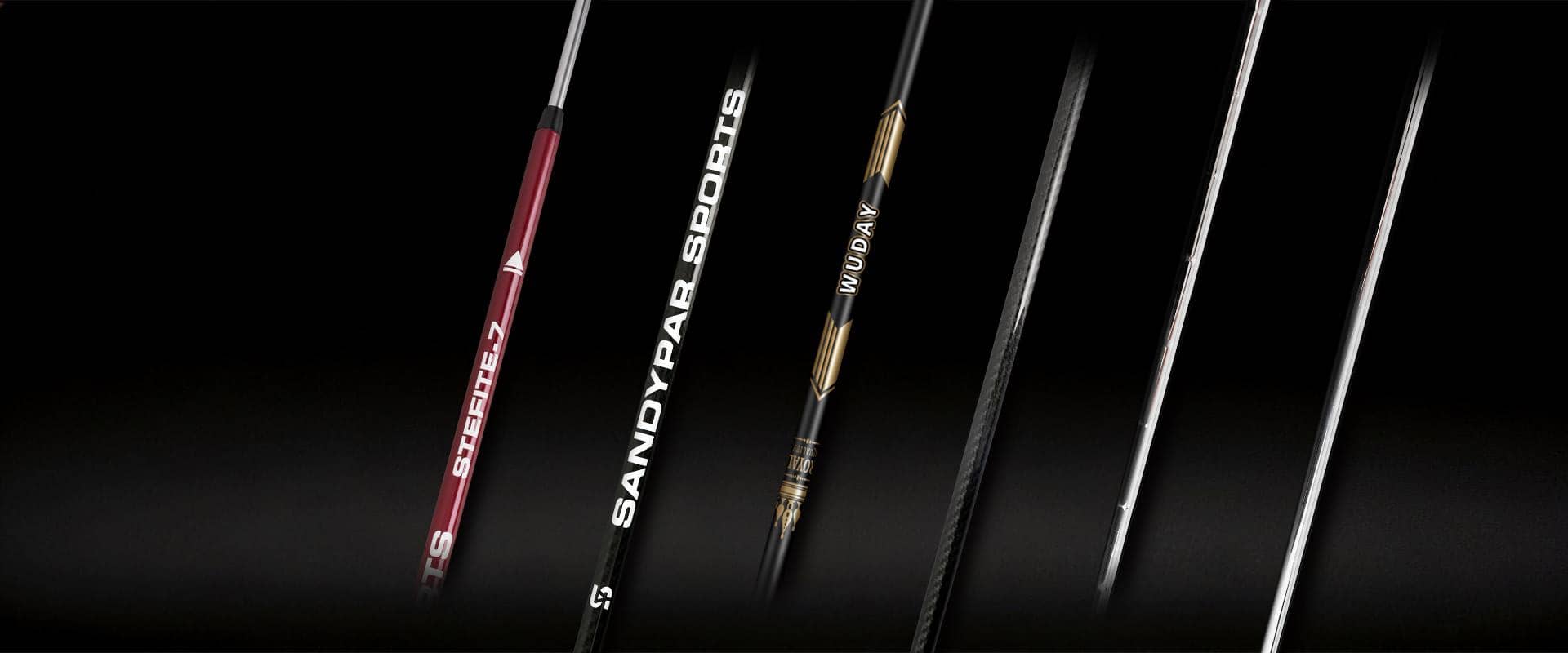
[Image 3 here – Multi-layer packaging system for golf shafts]

Vibration and Impact During Transportation

During international shipping, products are exposed to continuous vibration and occasional impact. These forces occur during loading, unloading, and transit across various transport modes.

Repeated vibration can lead to material fatigue, while sudden impacts may cause localized damage. Protective packaging must therefore address both dynamic and static forces.

Manufacturers increasingly test packaging systems under simulated transport conditions to evaluate performance before deployment.

[Image 4 here – Transportation stress simulation and vibration testing]

Environmental Factors: Temperature and Humidity

Logistics environments vary widely, from humid coastal regions to dry air cargo conditions. Temperature fluctuations and moisture exposure can affect materials used in golf shafts and packaging.

Protective measures include moisture-resistant materials and sealed packaging systems. These solutions help maintain stable conditions during transit, reducing the risk of material degradation.

Environmental considerations are becoming more important as supply chains expand globally.

Handling Practices and Human Factors

Not all damage occurs due to environmental or mechanical factors. Improper handling during loading and unloading can introduce additional risks.

Clear labeling, reinforced packaging, and standardized handling procedures are essential in minimizing human-related damage. Training and process control within logistics operations also contribute to product safety.

This highlights the importance of considering the entire supply chain, not just the packaging itself.

Quality Control Before and After Shipping

Quality control does not end at the factory. Pre-shipment inspection ensures that products meet specifications before entering the logistics chain, while post-delivery inspection verifies that no damage occurred during transit.

Some suppliers implement tracking systems and inspection protocols at multiple stages of the supply chain. This approach helps identify weak points in packaging or handling processes.

For buyers, these measures provide assurance that products will arrive in usable condition.

Cost vs Protection: Finding the Balance

One of the key challenges in logistics is balancing cost with protection. Overly robust packaging increases shipping expenses, while minimal protection raises the risk of damage.

Industry trends show a move toward optimized solutions—packaging designs that provide sufficient protection without unnecessary material usage. This optimization often involves testing, iteration, and data-driven decision-making.

The goal is efficiency without compromising product integrity.


Industry Insight: Logistics as a Competitive Advantage

In the golf equipment industry, logistics is increasingly recognized as a competitive factor. Reliable delivery, minimal damage rates, and efficient packaging contribute to overall customer satisfaction.

Suppliers who invest in logistics optimization can differentiate themselves in the market. This is particularly important in international trade, where shipping distances and complexity are greater.

Conclusion: Protection Beyond Production

Golf shaft performance depends not only on design and manufacturing but also on how well the product is protected during transit. Logistics represents a critical phase where quality can be preserved or compromised.

By understanding the challenges and solutions associated with shipping golf shafts, industry professionals can make better decisions in packaging design, supplier selection, and supply chain management.

A great golf bag does more than hold your clubs—it keeps them organized for quick access, so you can focus on your swing, not searching for the right iron. Built tough to withstand rain, wind, and rough terrain, it protects your valuable clubs and gear, round after round.

Your golf bag is more than storage—it’s an extension of your game. The right bag doesn’t just protect your clubs; it matches your playing style and elevates your presence on the course. Whether you prefer sleek tour-ready designs or rugged stand bags for walking the back nine, your choice speaks before you even tee off. That’s why selecting your perfect golf bag isn’t just practical—it’s personal.

Different Types of Golf Bags: Which One Suits You?

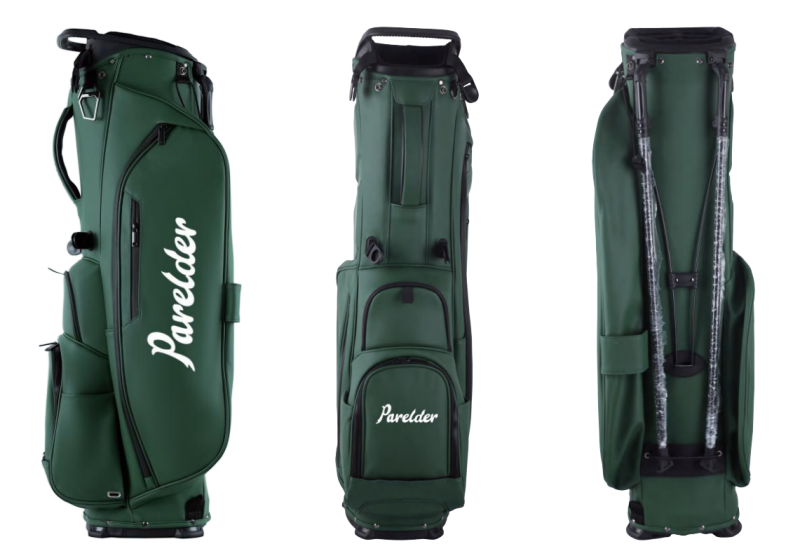
Stand bags are popular with golfers who prefer to wander the course.  They are lightweight and feature retractable legs that allow the bag to stand upright.  This innovation allows you to access your clubs without having to bend over, which is both convenient and comfortable.  Stand bags typically include several pockets for holding supplies, making them a good choice for walkers looking to travel light.

Cart bags feature tour-inspired organization with dedicated spaces for rangefinders, beverages, and extra layers. The anti-slip base stays put on electric or push carts, making every round effortlessly organized

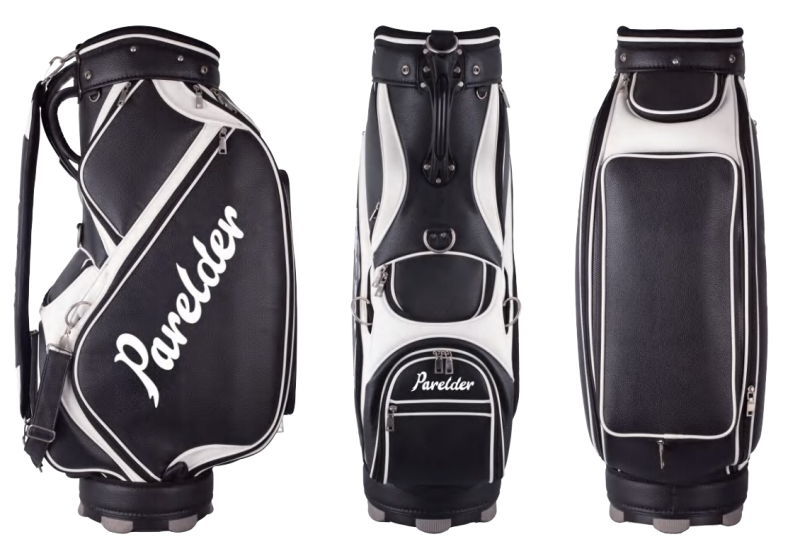
Staff golf bags offer tour-proven luxury with maximum storage—the ultimate choice for professionals and serious players who value premium style and spacious club organization (though best suited for cart/caddie use)

Assessing Your Playing Style: How It Affects Your Choice

Your golf game deserves its perfect match – choose a bag designed for how you play. Weekend warriors need lightweight ease, competitive players demand tour-ready organization, and style-conscious golfers seek premium looks – find your ideal blend of function and flair.

For the Social Golfer:

“Lightweight stand bags (avg. 3-5 lbs) keep your weekend rounds carefree with:

  • Easy-to-carry designs for walking 9 or 18 holes
  • Just-right storage for 10-12 clubs and essentials
  • Cart-compatible models that transition seamlessly

(Ideal for: 2-4 rounds/month players)”

For the Dedicated Competitor:

“Tournament-ready cart/staff bags deliver:

  • Full 14-club organization with premium protection
  • Cooler pockets + valuables storage for all-day events
  • Non-slip cart mounting for stable play

(Trusted by: Club champions & frequent players)”

For the Flexible Player:

“Hybrid convertible bags offer:

  • Removable straps for cart-to-walk adaptability
  • Smarter weight distribution (5-7 lbs range)
  • All-weather materials for changing conditions

(Perfect for: Golfers who mix walking & riding)”

Comparing Stand Bags, Cart Bags, and Staff Bags

Stand Bags: The Walker’s Choice

Best for: Golfers who prioritize walking comfort

Pros:

✓ Ultralight design (3-5 lbs) for effortless 18-hole carries

✓ Auto-deploy legs provide instant club access mid-round

✓ Ergonomic dual straps distribute weight evenly

Considerations:

⤷ Limited pocket space (typically 5-7 pockets)

⤷ Smaller top dividers (4-6 slots vs. 14-way cart bags)

Perfect if: You value mobility over max storage

Cart Bags: The Organizer’s Dream

Best for: Golfers who primarily ride

Pros:

✓ Tour-level storage with 10+ pockets for all accessories

✓ 14-way dividers prevent club chatter damage

✓ Non-slip base keeps bags secure during cart movement

Considerations:

⤷ Heavier (6-8 lbs) when transporting to/from course

⤷ Requires cart for practical use

Perfect if: You carry multiple gloves, rangefinders, or extra layers

Staff Bags: The Tour-Proven Statement

Best for: Competitive players & style-conscious golfers

Pros:

✓ Maximum capacity for 14+ clubs and tournament gear

✓ Luxury materials with premium branding options

✓ Best club protection with padded interiors

Considerations:

⤷ Heavy (8-10 lbs) – requires cart

JTS Sports Golf Bags to Consider for Your Game

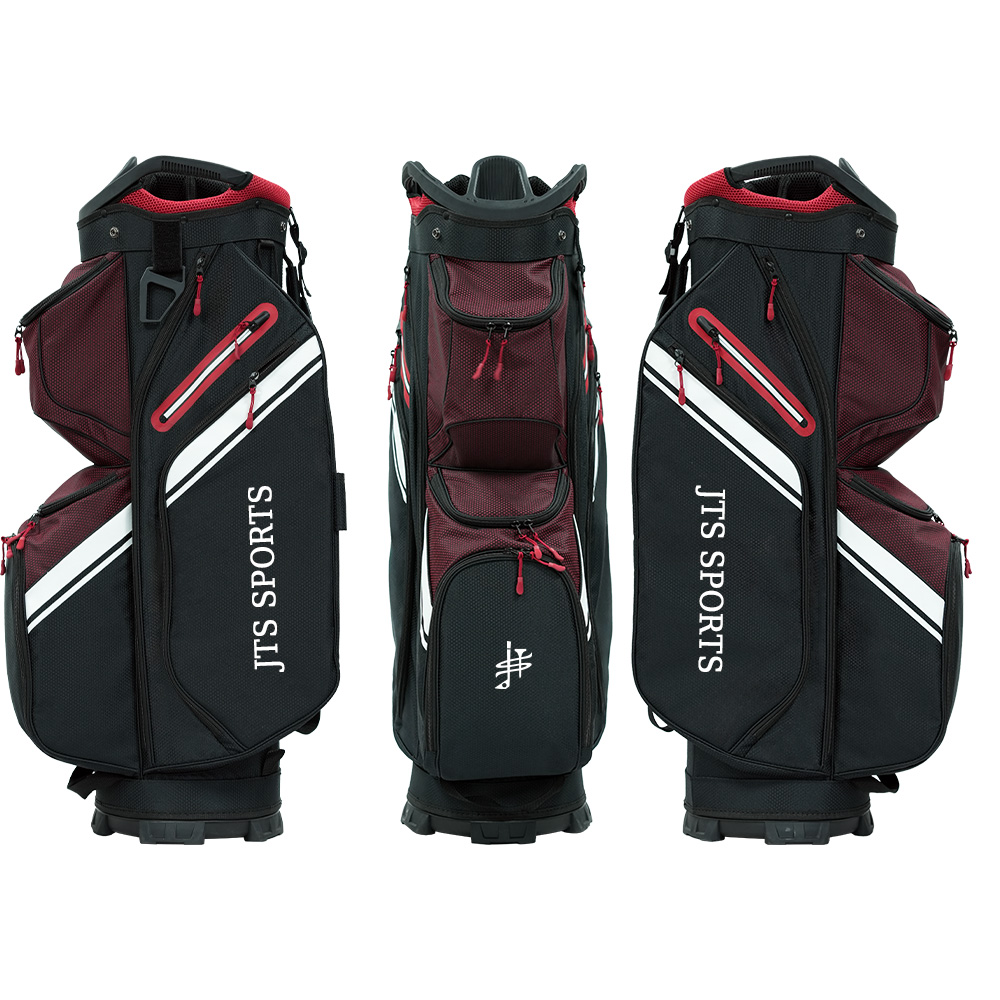
Golfers know that the right bag can make all the difference on the course. JTS Sports offers a range of high-quality golf bags designed to meet different playing styles and needs. Whether you’re a casual weekend player or a serious competitor, here are the top JTS golf bags worth considering:

  1. JTS Sports Stand Bags – Lightweight & Convenient

✔ Ultralight Design – Perfect for golfers who prefer walking the course

✔ Auto-Deploy Legs – Keeps your bag upright for easy club access

✔ Ample Storage – Multiple pockets for balls, tees, and valuables

✔ Comfortable Straps – Padded dual straps for all-day carrying comfort

Best For: Walkers, minimalist golfers, and players who value mobility

  1. JTS Sports Cart Bags – Organized & Spacious

✔ 14-Way Top Divider – Protects clubs and keeps them organized

✔ Non-Slip Base – Stays secure on golf carts

✔ Extra Storage – Cooler pockets, rangefinder sleeves, and apparel compartments

✔ Durable Construction – Built to last through countless rounds

Best For: Golfers who ride carts and need maximum storage

  1. JTS Sports Staff Bags – Premium & Professional

✔ Tour-Ready Design – Spacious interior for all your gear

✔ Luxury Materials – High-end look with durable construction

✔ Plenty of Pockets – Dedicated spaces for accessories and personal items

✔ Stable on Carts – Reinforced base for secure placement

Best For: Competitive players, club pros, and those who want a premium look

Why Choose JTS Sports Golf Bags?

1.Affordable Quality – High-performance bags without the premium price tag

2.Durability – Designed to withstand tough course conditions

3.Smart Features – Thoughtful details like waterproof pockets and ergonomic straps

4.Style Options – Multiple colors and designs to match your personality

Final Thoughts

JTS Sports offers golf bags that balance functionality, durability, and style. Whether you need a lightweight stand bag, a feature-packed cart bag, or a professional staff bag, JTS has options to fit your game.

Ready to upgrade? Explore the full collection at JTS Sports Golf Bags!

Custom Golf Balls

In 2026, custom golf balls have developed into an advanced fusion of personal expression and high-performance technology. Modern personalization goes beyond basic monogramming to include precise company branding, high-resolution photo uploads, and play numbers that correspond with your unique game or business identity.

In this comprehensive 2026 guide, we explore the strategic advantages of personalized equipment. We’ll break down the tiers of customization—from high-fidelity image printing to professional-grade logo integration. You’ll also discover how to align your design with specific ball performance characteristics, ensuring your custom gear performs as well as it looks. Furthermore, we’ll analyze pricing structures, value-driven bundle options like integrated ball-and-tee sets, and professional tips to optimize the value of your custom orders for both personal use and large-scale corporate gifting.

Understanding Custom Golf Balls

What custom golf balls offer

Every golfer faces a problem that personalized golf balls solve: identifying which ball is yours on a crowded course. You can spot your ball instantly by adding unique designs, logos, or monograms. This saves time during play and eliminates confusion when multiple players hit similar shots.

The personalization goes beyond simple identification. Text options let you add names, initials, motivational quotes, or custom messages. Logo capabilities accommodate personal symbols, company branding, or team emblems. You can upload a business logo to cite an instance for corporate events or create balls featuring inside jokes for your regular foursome.

Advanced printing technologies ensure your designs remain sharp and durable through multiple rounds. The ball’s performance stays uncompromised by the customization. You work with the same trusted models used by golfers at every level, just with your personal touch added.

Different customization levels available

The range of personalization options accommodates different priorities and budgets:

  • Text-based customization: Add up to three lines of custom messages, with options for multiple fonts and colors
  • Logo printing: Upload personal or business logos in various sizes, using up to six colors
  • Photo customization: Custom golf balls with picture uploads let you feature meaningful images
  • Pre-designed symbols: Choose from over 100 stock icons and graphics without creating original artwork
  • Play numbers: Select lucky or personally significant numbers instead of standard options
  • Printing sides: Single-sided designs keep costs lower, while double-sided printing maximizes visual impact

Color choices extend beyond the printing ink. You can select different ball colors as your base and then customize the text or graphics to match.

Customization Options Explained

Individual-specific text and play numbers

Text customization lets you add up to three lines of individual-specific messages to your balls. Titleist allows 17 characters per line, and TaylorMade offers 12 characters per line. You can include names, initials, motivational phrases, or inside jokes that make your rounds more enjoyable.

Play numbers go beyond the standard digits. You can select numbers that hold personal significance or bring you luck rather than settling for what comes in the box. This small detail creates a stronger connection with your equipment.

Adding logos to your golf balls

Logo upload services accommodate personal symbols and company branding[61]. You can upload your design using accepted file formats: jpg, png, psd, ai, or pdf. Your image should be at least 600 pixels and 300 DPI to get crisp results.

Logos print at 7/8 inch or smaller to fit the ball’s curved surface. Keep designs around 20 to 25 mm wide to appear optimal. Vector files work better than raster files because they maintain sharpness when resized.

Photo customization options

Custom golf balls with picture uploads transform ordinary equipment into memorable gifts. Photos require high resolution, at least 300 DPI, to appear crisp on the small surface area. Images get cropped to circular shapes to match the ball’s curvature.

Pre-designed icons and graphics

Pre-designed options eliminate the need for original artwork. You can select from flags, emojis and various symbols without uploading files or meeting technical specifications.

Single vs double-sided printing

Two-pole printing places designs on two locations of the ball. Simple personalization works with single-sided designs, and double-sided printing accommodates multiple messages or a logo paired with a sponsor mark.

Color and ball type choices

Ball colors extend beyond traditional white. Options include yellow, orange and green variations like forest green and kelly green, plus black. You can match ink colors to your base ball selection for cohesive designs.

Custom golf balls

Getting Started with Your First Order

Selecting the best ball for your skill level

Match your ball choice to your swing speed and experience level. Beginners benefit from 2-piece construction with low compression ratings between 55-70. These softer balls compress more at slower swing speeds and produce better distance and feel.

Models like Titleist TruFeel, Callaway Warbird, and Bridgestone e6 work well for beginners. Avoid premium urethane balls designed for advanced players. You don’t need the spin characteristics of a Pro V1 when you’re still developing consistent contact.

Creating your design

Online design tools have made customization simpler. After you select your ball model, you’ll access an interactive design interface. Upload your artwork, add text, or select from pre-existing graphics. An instant preview shows how your design appears on the curved ball surface.

Type your message and choose your font for text-only orders. Click the browse button and upload your file for logos. The preview updates right away and lets you adjust placement and sizing before you finalize.

File formats and image quality

Resolution determines print quality. Submit files at minimum 1000 pixels by 1000 pixels. Maintain 300 DPI resolution at the final print size for photographic images. This translates to about 660 pixels across for the 25mm print circle on the ball.

Accepted formats include AI, PDF, EPS, PNG, JPG, GIF, TIF, and BMP. Vector files like AI or EPS scale without quality loss. Raster files work fine if they meet resolution requirements. Maximum file size allowed is 20MB.

Approval and production process

After you place your order, you’ll receive a digital proof within three business days. Review spelling, colors, and design placement with care. Errors in customer submissions cannot be refunded.

Production takes 7-10 business days once approved, with shipping completed within 8 business days of approval. Total turnaround averages 3-4 weeks from order placement.

Conclusion

Custom golf balls aren’t just for professionals anymore. The options I’ve outlined make personalization available and affordable for beginners in 2026. You’ll get practical benefits like easier ball identification. But the real value? You’ll develop a stronger connection with your equipment that builds confidence on the course. Start with a simple text-based design on beginner-friendly balls. Then experiment with logos or photos as you progress. Your game deserves that personal touch.

The PGA Tour has become the premier stage for professional golf, attracting top-tier athletes, sponsors, and fans from around the world. As we approach the 2026 season, the Tour is evolving rapidly, setting the stage for even more exciting developments in the sport. With rising stars, cutting-edge technology, and evolving fan engagement, the 2026 PGA Tour promises to be a landmark season in golf’s history. This article delves into what makes this year’s tournament stand out, highlighting the key trends, technologies, and athletes shaping the future of the sport.

The Growing Popularity of the PGA Tour

Golf, traditionally a sport with a niche following, has witnessed a remarkable surge in popularity over the last decade. The PGA Tour’s global reach has expanded significantly, attracting new audiences, particularly in Asia and Europe. One of the key drivers behind this growth is the increasing number of young, dynamic golfers making a name for themselves on the global stage.

Stars like Collin Morikawa, Viktor Hovland, and Jon Rahm have energized the PGA Tour, making it more relevant to younger audiences. These players not only possess exceptional skills but also have a magnetic presence both on and off the course. Their involvement in the game has helped the sport shift towards a younger, more diverse demographic, expanding the appeal of the PGA Tour.

Products on the Rise:

Tour Balls: Specialized balls designed for professional play, optimized for maximum distance, control, and durability under competitive conditions. These balls are often crafted with advanced materials to withstand the pressures of high-speed impacts.

Performance Putters: The innovation in putter design has been incredible. With enhanced grip technology, adjustable weights, and aerodynamics, top-tier players rely on these tools to make precise shots on the greens.

Key Performances and Exciting Moments

The 2026 PGA Tour is set to be a season full of memorable moments and fierce competition. With rising stars competing against seasoned veterans like Tiger Woods and Phil Mickelson, the stage is set for some of the most thrilling finishes in golf history. One of the most exciting aspects of this upcoming season is the introduction of new technologies designed to elevate player performance.

Product Innovation in the PGA Tour

As technology continues to evolve, so too does the equipment used by professional golfers. JTS Sports Companies is constantly pushing the envelope when it comes to creating tools that improve accuracy, distance, and comfort.

Smart Golf Clubs: These next-generation clubs come equipped with sensors and tracking technology. Golfers can now collect detailed data about their swings, ball speed, launch angle, and trajectory. With this information, they can adjust their swings for optimal performance on the course. These innovations are transforming the way professionals and amateurs train, helping them improve faster than ever before.

High-Performance Bags: Golf bags are no longer just about carrying clubs; they have become an integral part of a player’s performance. Modern bags feature built-in compartments for gadgets, water bottles, and even technology-based accessories like rangefinders. Some bags also feature ergonomic designs that help players maintain energy levels during long rounds.

These technological advancements reflect a broader trend in sports: the integration of data and technology to enhance athletic performance. The 2026 PGA Tour will feature some of the most advanced golf products ever created, allowing players to maximize their potential.

The Future of the PGA Tour and Golf’s Global Expansion

Looking ahead, the PGA Tour is not just focusing on the game itself but on expanding the sport’s reach to new audiences around the world. As part of this effort, the Tour is introducing more international events, particularly in regions like Asia and the Middle East, where golf’s popularity is on the rise. This global approach is set to increase the Tour’s viewership and attract more sponsorships, further cementing golf’s place as one of the top global sports.

Moreover, the evolution of the sport’s fan engagement strategies is another key factor shaping the future of the PGA Tour. From interactive fan zones at events to virtual reality experiences for fans watching from home, the Tour is embracing new ways to bring fans closer to the action. This digital transformation will help maintain golf’s relevance in an increasingly digital world.

Conclusion: The Impact of Technological and Product Advances

As the 2026 PGA Tour approaches, the future of professional golf has never looked brighter. Technology, from smart clubs to advanced performance bags, is not only making the game more accessible but is also enabling golfers to perform at their peak. Combined with the rise of new stars and the growing global popularity of the Tour, the 2026 season promises to be a year that will define the future of golf.


Golf is often seen as a leisurely sport, enjoyed by those who appreciate its strategic challenges and the beauty of well-manicured courses. But beyond the physical exercise and social aspects, golf offers profound benefits for mental health—many of which go unnoticed. In a world where stress, anxiety, and burnout are increasingly common, golf can serve as a powerful tool for mental well-being. Here’s how.

1. Golf Encourages Mindfulness and Presence

Unlike fast-paced sports, golf requires patience, focus, and deliberate movement. Each swing demands full attention—assessing the wind, the slope of the green, and the club selection. This level of concentration naturally fosters mindfulness, pulling players away from distractions and into the present moment.

Studies have shown that mindfulness reduces stress and improves emotional regulation. When you’re on the course, the repetitive nature of swinging, walking, and strategizing creates a meditative rhythm, allowing your mind to reset.

2. It Provides a Digital Detox

In today’s hyper-connected world, constant notifications and screen time contribute to mental fatigue. Golf offers a rare escape—most courses discourage phone use, encouraging players to disconnect and immerse themselves in the game.

The absence of digital distractions allows the brain to relax, reducing cortisol levels (the stress hormone) and promoting a sense of calm. Many golfers report feeling mentally refreshed after a round, as if they’ve had a mini-vacation from daily pressures.

3. The Outdoors Boosts Mood and Reduces Anxiety

Spending time in nature has well-documented mental health benefits. Exposure to sunlight increases serotonin (the “happy hormone”), while fresh air and greenery lower stress levels. Golf courses, with their sprawling landscapes, provide the perfect setting for this natural therapy.

Research from the University of Exeter found that people who spend at least two hours a week in nature report significantly higher well-being. Golfers easily surpass this, often spending four or more hours outside per round, making it an excellent mood booster.

4. Golf Teaches Resilience and Emotional Control

Few sports test mental fortitude like golf. A single bad shot can derail a player’s confidence, while a great shot can bring instant euphoria. Learning to manage these emotional highs and lows builds resilience—a skill that translates to everyday life.

Golfers must practice patience, self-compassion, and adaptability. Instead of dwelling on mistakes, they learn to reset and focus on the next shot. This mindset helps in managing stress, setbacks, and frustrations off the course as well.

5. Social Connection Fights Loneliness

Loneliness and social isolation are linked to depression and cognitive decline. Golf, by nature, is a social game—whether playing with friends, family, or meeting new people in tournaments. The camaraderie and light-hearted conversations during a round provide meaningful social interaction.

For many, golf serves as a weekly ritual where friendships are strengthened, and new connections are made. This sense of community is vital for mental health, offering emotional support and reducing feelings of isolation.

6. The Physical Exercise Releases Endorphins

While golf isn’t as intense as running or weightlifting, it still provides moderate exercise. Walking an 18-hole course can cover 5-7 miles, burning calories and releasing endorphins—natural mood enhancers.

Even if using a cart, the swinging motion engages core muscles, improves balance, and increases blood flow. Regular physical activity is proven to reduce symptoms of anxiety and depression, making golf a gentle yet effective way to stay active.

7. Goal-Setting and Achievement Build Confidence

Golf is a game of incremental progress. Whether it’s lowering your handicap, mastering a difficult shot, or simply playing a consistent round, small victories provide a sense of accomplishment.

Setting and achieving goals—no matter how small—boosts self-esteem and motivation. This positive reinforcement can spill over into other areas of life, encouraging a growth mindset and perseverance.

8. The Rhythm of Golf Reduces Mental Clutter

The structure of a golf game—tee box, fairway, green, repeat—creates a predictable, soothing rhythm. Unlike chaotic team sports, golf allows for quiet reflection between shots. This pacing helps declutter the mind, offering mental space to process thoughts and emotions.

Many golfers describe the experience as therapeutic, almost like a moving meditation. The combination of physical activity, fresh air, and mental engagement creates a unique form of stress relief.

Conclusion: Golf as Mental Wellness Therapy

Golf is more than just a sport—it’s a mental health tool disguised as a pastime. From fostering mindfulness to combating loneliness, its benefits extend far beyond the scorecard. In a world where mental health struggles are on the rise, golf offers a peaceful, engaging, and socially enriching escape.

So the next time you’re on the course, remember: you’re not just playing a game. You’re giving your mind a much-needed break, building resilience, and nurturing your well-being—one swing at a time.

Now, grab your clubs and tee off—for your brain’s sake.


Golf, often hailed as a sport of elegance and precision, has captured the hearts of millions around the globe. Whether you’re a seasoned pro or a novice taking your first swing, the allure of the golf course is undeniable. In this blog post, we’ll delve deep into the world of golf, exploring its rich history, basic rules, essential tips, and must-have equipment, all while highlighting how our factory can enhance your golfing experience.

The Timeless History of Golf

The origins of golf can be traced back centuries, with its roots firmly planted in Scotland. Legend has it that shepherds in the 15th century would pass the time by hitting pebbles into rabbit holes with their staffs. Over time, this simple pastime evolved into the structured sport we know today. In 1457, the Scottish Parliament even banned golf, as it was seen as a distraction from archery practice, which was crucial for national defense. However, the sport’s popularity continued to grow, and by the 18th century, the first set of standardized rules was established at the Honourable Company of Edinburgh Golfers. The modern game of golf truly began to take shape with the invention of the gutta-percha ball in the 1840s, which replaced the expensive and fragile featherie balls. Since then, golf has spread far and wide, with prestigious tournaments like The Open Championship, the U.S. Open, and the Masters attracting top players and passionate fans from all corners of the world.

Mastering the Basics: Golf Rules and Etiquette

Before you step onto the course, it’s essential to familiarize yourself with the basic rules and etiquette of golf. The objective of the game is simple: hit the ball from the tee (starting point) into the hole in the fewest number of strokes possible. Each hole on the course is assigned a par, which represents the number of strokes an expert golfer is expected to take to complete it. For example, a par-3 hole is typically shorter and should be completed in three strokes, while a par-5 hole is longer and may take five strokes.

Golf etiquette is just as important as the rules. It includes practices such as repairing divots (the pieces of turf removed when a ball is struck), raking bunkers after use, and keeping quiet when other players are taking their shots. Respecting the course and your fellow golfers not only makes the game more enjoyable for everyone but also helps maintain the integrity of the sport.

Elevate Your Game: Expert Golf Tips

Improving your golf game requires practice, patience, and the right techniques. Here are some tips to help you take your skills to the next level:

  • Perfect Your Swing: Your swing is the foundation of your game. Focus on maintaining a proper stance, keeping your head still, and following through with your swing. Many golfers find it helpful to take lessons from a professional instructor who can provide personalized feedback and guidance.
  • Work on Your Short Game: A significant portion of your score is determined by your performance on the greens and around the holes. Practice putting, chipping, and pitching regularly to improve your accuracy and control in these crucial areas.
  • Understand Course Management: Knowing how to navigate the course effectively can make a big difference in your score. Study the layout of the course before you play, pay attention to hazards such as bunkers and water hazards, and plan your shots accordingly.

Gear Up for Success: Essential Golf Equipment

Having the right equipment is key to enjoying a great round of golf. Here’s a rundown of the essential items you’ll need:

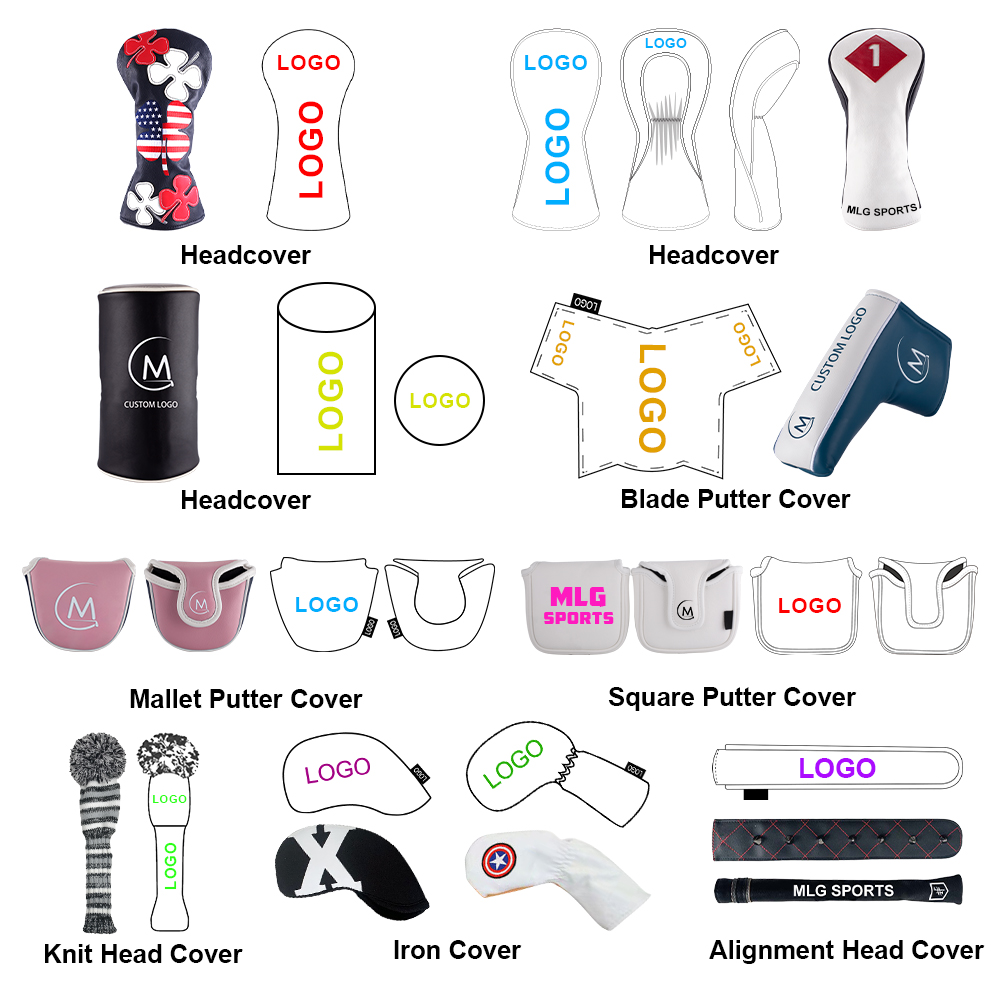
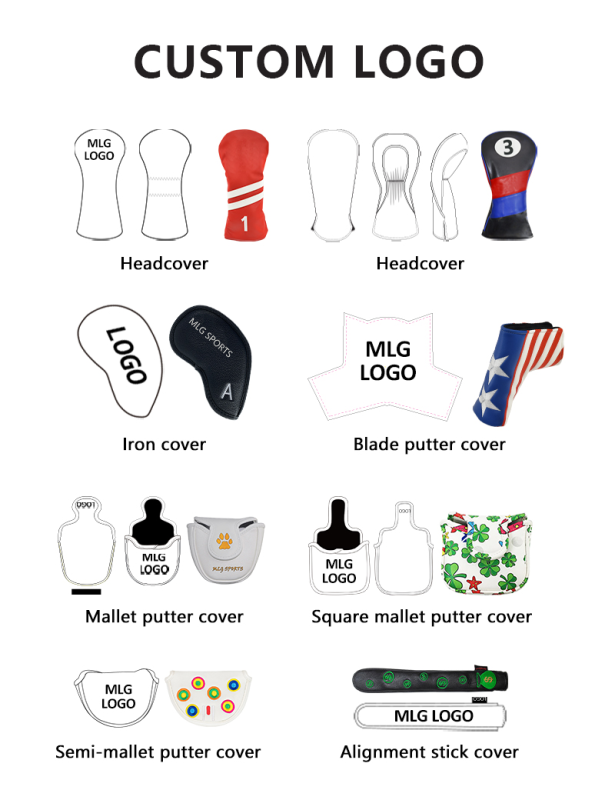
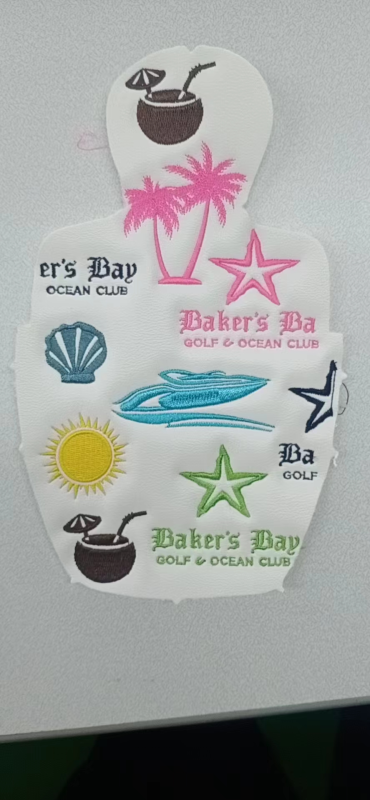
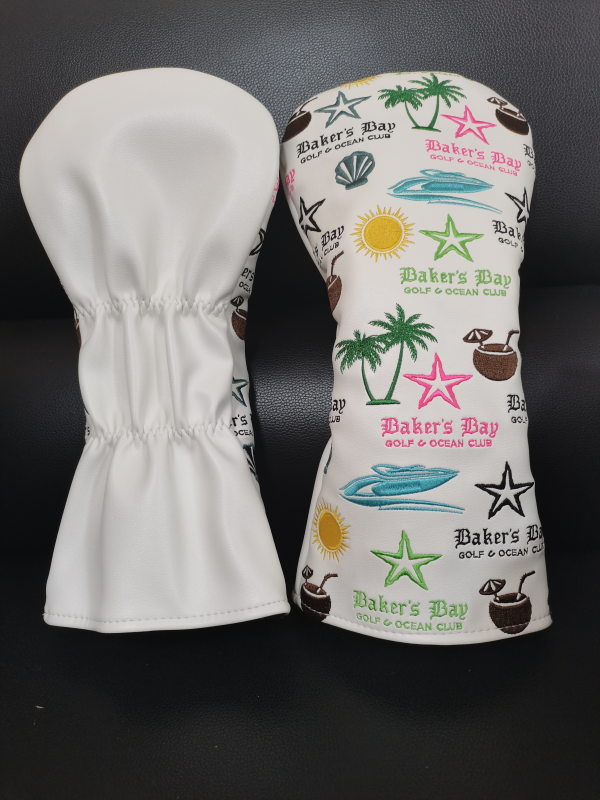
  • Golf Headcovers: Golf headcovers are protective accessories for golf clubs, mainly used to prevent scratches and damage during storage or transportation. They come in different types for various clubs (e.g., driver, fairway wood, iron, putter) and are made of materials like leather, neoprene, nylon, or silicone. Besides protection, they also allow for personal style through designs and colors, and require simple maintenance like cleaning and proper storage.

  • Golf Balls: Golf balls come in various types, each with different characteristics such as distance, control, and spin. Experiment with different brands and models to find the ones that work best for you.

  • Golf BagsA good golf bag not only holds your clubs but also provides storage for other essential items like balls, tees, gloves, and water bottles. Look for a bag that is lightweight, durable, and has enough compartments to keep your gear organized.

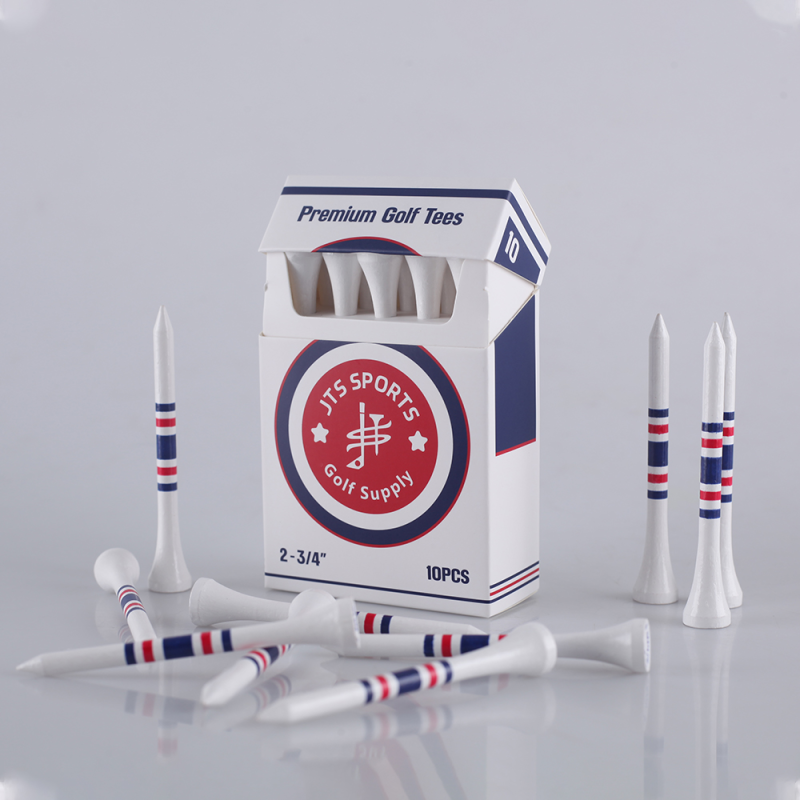
  • Golf Tees:Golf tees are small pegs used to support the ball at the start of a drive or fairway shot. Made of bamboo, wood, plastic, or rubber, they elevate the ball to optimize hitting angle and distance. Their height varies (typically 5-4 inches) to suit different clubs.

  • Golf Clubs: A standard set of golf clubs typically includes drivers, woods, irons, wedges, and a putter. Each club is designed for a specific type of shot, and choosing the right ones for your skill level and playing style is crucial. At our independent station, we offer a wide range of high-quality golf clubs from top brands, ensuring that you’ll find the perfect set to suit your needs.

Why Choose Our Factory?

At our factory, we’re passionate about golf and committed to providing our customers with the best products and services. We carefully curate our inventory to ensure that we offer only the highest quality golf equipment from trusted brands. Our team of experts is always on hand to answer your questions, offer advice, and help you find the perfect gear for your game. Whether you’re looking for a new set of clubs, the latest golf balls, or stylish golf head covers, we’ve got you covered. Plus, we offer competitive prices, fast shipping, so you can shop with confidence.

In conclusion, golf is a sport that offers endless opportunities for enjoyment, challenge, and personal growth. By understanding its history, mastering the rules and etiquette, implementing expert tips, and equipping yourself with the right gear from our factory, you can enhance your golfing experience and take your game to new heights. So, what are you waiting for? Grab your clubs, head to the course, and start your golfing adventure today!

Choosing Golf Club Head Covers: Selecting the Right “Protective Cover” for Your Clubs

In a golf,besides the clubs themselves, the most eye-catching accessory is undoubtedly the club head cover.This small accessory is much more than just a “protective cover” to prevent the club heads from colliding with each other in the bag.For today’s golf enthusiasts, it’s a statement of personal style, a symbol of good fortune, and even a source of collecting pleasure. Choosing the right club headcover can add a unique touch and emotional value to your golf experience.

Why Should You Carefully Choose Your Head Cover?

1. Core Function: Protect your golf club

The heads of woods (especially drivers and fairway woods) are usually manufactured with precision and are quite expensive. Their faces, crowns, and heels are highly susceptible to scratches and even dents from impacts during transport or use. A good clubhead cover provides ample cushioning, ensuring your valuable clubs remain as good as new for years to come.

  1. Practical and rapid identification
    A set of headcovers, whether uniformly designed or varied in style, allows you to quickly distinguish your tee shots, fairway woods, hybrid clubs, and even putters within your golf bag. This not only saves time but also keeps the entire bag looking neat and organized.
  2. The extension of personal style and identity

Club headcovers are one of the most visible personalization accessories on a golf course. Through them, you can showcase your interests (such as team logos, cartoon characters, animal themes), aesthetic taste (simple leather or ornate embroidery), and even your sense of humor.

  1. Psychological suggestion and “lucky charms”
    Many golfers consider certain head covers as their lucky charms. Seeing that clubhead cover that makes you feel at ease or happy before an important shot can provide a positive psychological boost and help maintain consistent performance.

Detailed Explanation of Main Types and Materials of Club Head Covers

Classified by protected part:

Wood cover: The most common type, used to protect drivers, 3-woods, 5-woods, etc. They are usually the largest in size and have the most diverse designs.

Putter cover:Specifically designed to protect the putter head. While putters aren’t as vulnerable to impact as woods, a well-designed putter cover reflects professionalism and taste, and also prevents scratches on the putter face.

Iron Cover:They usually come in sets.

Categorized by Material and Design:

  1. KnittingHead Cover

Features: Knitted from wool, classic, soft, and lightweight. The most common style is the “sweater” style, with fluffy pom-poms or tassels.

Advantages: Good cushioning, lightweight, diverse styles, full of retro and casual vibes.

Disadvantages: Not very waterproof, easily attracts dust, and has relatively poor durability.

Suitable for: Golfers who appreciate classic golf style and enjoy a relaxed and lively atmosphere.

  1. Leather/PULeather Club Head Cover

Features: Made of genuine leather or high-quality PU leather, typically with a stiff shape and simple lines.

Advantages: High-end, professional appearance, durable, easy to clean, and relatively waterproof. It retains its shape well.

Disadvantages: Usually more expensive, slightly heavier, and may have a more formal style.

Suitable for: Golfers who value quality and professional appearance, and business golfers.

  1. Nylon Head Cover

Features: Made with high-tech synthetic fabrics (such as polyester and ballistic nylon), highly functional.

Advantages: Extremely wear-resistant, waterproof, and lightweight. Many brand-name poles use this type of material as their original equipment.

Disadvantages: The design may not be as distinctive as the knitted or leather versions, and the appearance is more industrial.

Suitable for: Golfers who value practicality and durability and frequently play in inclement weather.

  1. Themed Creative Pole Head Cover

Features: This is the most fun category. Designed in various shapes including animals (dinosaurs, foxes, whales), food, cartoon characters, sports logos, etc.

Advantages: Unique and highly individualistic, it’s an excellent conversation starter on the court and can bring joy.

Disadvantages: The level of protection may vary depending on the design, and some designs may not fit well.

Suitable for: All golfers who want to add fun to golf, and also an excellent gift choice.

Factory Customization

Cost-effectiveness and economies of scale

Bulk customization can significantly reduce unit costs. Orders of 100 pieces or more can typically enjoy wholesale prices, and the cost advantage becomes even more pronounced for orders of 1,000 pieces or more. This allows you to obtain a healthy profit margin with competitive retail prices.

Complete brand control

From fabric selection and design elements to packaging details, you have complete control over every aspect of the product, creating a truly unique brand image.

Conclusion

Hopefully, this guide to choosing Golf Headcover will help you find a safe yet distinctive “outfit” for your beloved clubs, allowing your gear to shine on the course.

Custom Your Golf Headcover with JTS

JTS can provide you with perfect customization services. Please contact us.

With rapid progress in today’s world, the incidence of stress and mental health issues is increasing. But what if a simple game might help? On the exterior, golf is regarded as a leisurely activity. Still, under this superficial surface, it potentially lies as the best and most powerful tool for improving mental health and reducing stress. Golf, the sound of a ball being struck, the beauty of the course, and the psychological and physical challenges provide a unique healing potential. Whether its golf clubs near me or getting a golf club fitting, this game can change your well-being.

The Science behind Golf and Mental Health

Golf is not a sport. Golf is a scientifically proven means to enhance your mental well-being. From the release of happy hormones to calming your mind, here’s how golf enhances your mood.

Endorphins: Golfing can leave you in a good mood and calm. When you golf, your body releases endorphins, or “happiness hormones. These hormones relieve tension, soothe anxiety, and make you feel happier, so you unwind and are content.

Nature Therapy: Golf courses are nature therapy sessions. Being outdoors is associated with lower cortisol levels (the stress hormone) and promotes a feeling of calm with its rolling greens, fresh air and open skies. It’s a soothing escape from the din of day-to-day life.

Why Golf Clubs Matter: The next time you search for golf clubs near me, remember you’re not only picking a sport. You’re picking something good for your brain. The proper equipment and terrain make golf an excellent method for feeling better.

Stress Reduction through the Sport of Golf

The ability of golf to relieve stress is one of the most incredible benefits of the sport. Let’s take a closer look at how this sport helps you unwind and recharge.

A Meditative Experience: The smooth swing of a club and the simple exercise of walking the course provide a stress-relieving experience. Studies have found that the typical golfer walks four miles per round, burning calories and providing ample exercise to chase away stress.

A Mental Escape: Once you’re on the course, your mind is on the game, calculating distances, planning your shots and perfecting your swing. This temporarily forgets work deadlines, financial troubles, or relationship problems.

Help from Others in the Course: Golf is not a solitary sport. Playing with friends or joining a local golf club provides emotional support and stress relief. It’s also an opportunity to socialize while playing the game.

Golf as a Mindfulness Practice

If you’ve ever struggled to stay still and meditate, golf could be the answer. Golf is a ball game and a way of being present and enjoying yourself.

Patience and Concentration: Golf is about keeping your mind sharp and patient. Every shot requires your focus, from the way you stand up to the direction you aim. This type of focus makes you forget the typical pressure and be present.

Focusing on the Course: When you golf, concentrate and don’t let your mind wander. You’re thinking about your swing, the wind, and the green’s break. This focus on the game itself anchors you, which is a pillar of mindfulness.

The Importance of Golf Club Fitting: Golf can be challenging for new players, but having the right clubs can significantly help. Your clubs should be sized appropriately for height, strength, and swing style. Once you know your gear well enough, focusing on playing the game and enjoying yourself is not as hard.

Golf as Moving Meditation: The better you become as a golfer, the more you realize it isn’t a sport. It’s a way of meditating in motion. The same motions, the peaceful environment, and concentration combine to relax you.

Strengthening confidence and mental resilience

Golf is a sport of obstacles and victories, and conquering challenges can boost your self-confidence.

Little Triumphs, Plenty of Confidence: It builds confidence through small victories on the course, which translates into feeling better about yourself. You generate the belief that you can do this with other parts of your life, too, which makes it easier to handle challenges.

Tools for Improvement: Mass customization is JTS’ specialty because the company delivers specific solutions for sports teams together with organizations. The tools and equipment you require for motivation and performance enhancement can be accessed from JTS.

Key Life Skills from this Course: With patience and persistence, you will learn to sharpen your life skills to make better choices and maintain emotional stability.

The Role of Golf in Emotional Stability

Golf isn’t only a path to physical and mental health but also a pathway to emotional stability.

● Managing Highs and Lows: Golf teaches you to take success and failure in stride, normalizing emotional stability whether you hit a perfect shot or miss the whole thing.

● Making Decisions When It Matters: Every swing of the club involves split-second adjustments and strategy, building better decision-making acumen when the heat is on.

● Teaching Lessons in Patience and Perseverance: Golf’s slow pace demands patience with the game, a quality that transfers into the emotional fortitude of the course.

How Golf Contributes to Social Well-Being

Golf isn’t just an individual game. It’s a community experience that can boost your well-being.

Connecting with Others: Playing with friends or joining a golf club also helps build worthy connections that combat loneliness and isolation.

Networking Opportunities: Golf courses are an excellent place to meet new people, whether for personal friendships or professional networking.

Teamwork and Team Development: Golf requires teamwork and collaboration even in individual play, and that team aspect is critical in group tournaments or events.

How to Get Started with Golf for Mental Health

Are you ready to access the mental health benefits of golf? Here’s how to begin:

● Find Local Courses: Try searching for golf clubs in your area to find courses. Most clubs offer beginner programs and lessons.

● Get the Proper Equipment: Get the proper golf clubs for height, swing type, and ability.

● Become Part of a Community: Golfing is more enjoyable with friends! Join a local club or league to get to know other golfers and establish a support group.

● Start Small: You don’t need to play all 18 holes simultaneously. You can play a few or go to the driving range.

FAQ’s

What are the psychological benefits of playing golf?

Exercise releases endorphins and nature therapy reduces stress by enhancing concentration through playing a sport. This is classified as cognitive, and you’re searching for golf clubs near me or doing a golf club fitting.

Is golf a stress relief and anxiety technique?

Yes, golf is stress-reducing through exercise, being in the moment, and being outdoors. JT’s customized sports gear serves as a fantastic benefit to provide additional motivation and reduce stress.

Can you recommend what equipment I will need to play golf?

You can begin with the bare essentials of clubs, balls, and attire. Fitting your golf clubs is like fitting your reading glasses to your prescription, and golf clubs near me can help you find golf courses in the area.

Conclusion

Golf is a sport, but that is not the whole story. Golf lifts your mood and de-stresses. In addition to physical health, being in the moment, and social interaction, golf is great for your health. For mental health,  golf presents a complete package that includes golf clubs in your area as well as properly fitted clubs and customized sports gear from JTS. So grab your clubs, head out onto the green, and see how golf lifts your mood and reduces your stress today.

Have you ever wondered what golf balls are made of? This blog explores their materials, how they’re made, and the different types of golf balls available to suit every golfer.

What is a golf ball made from?

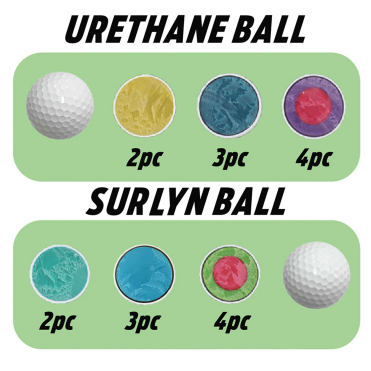
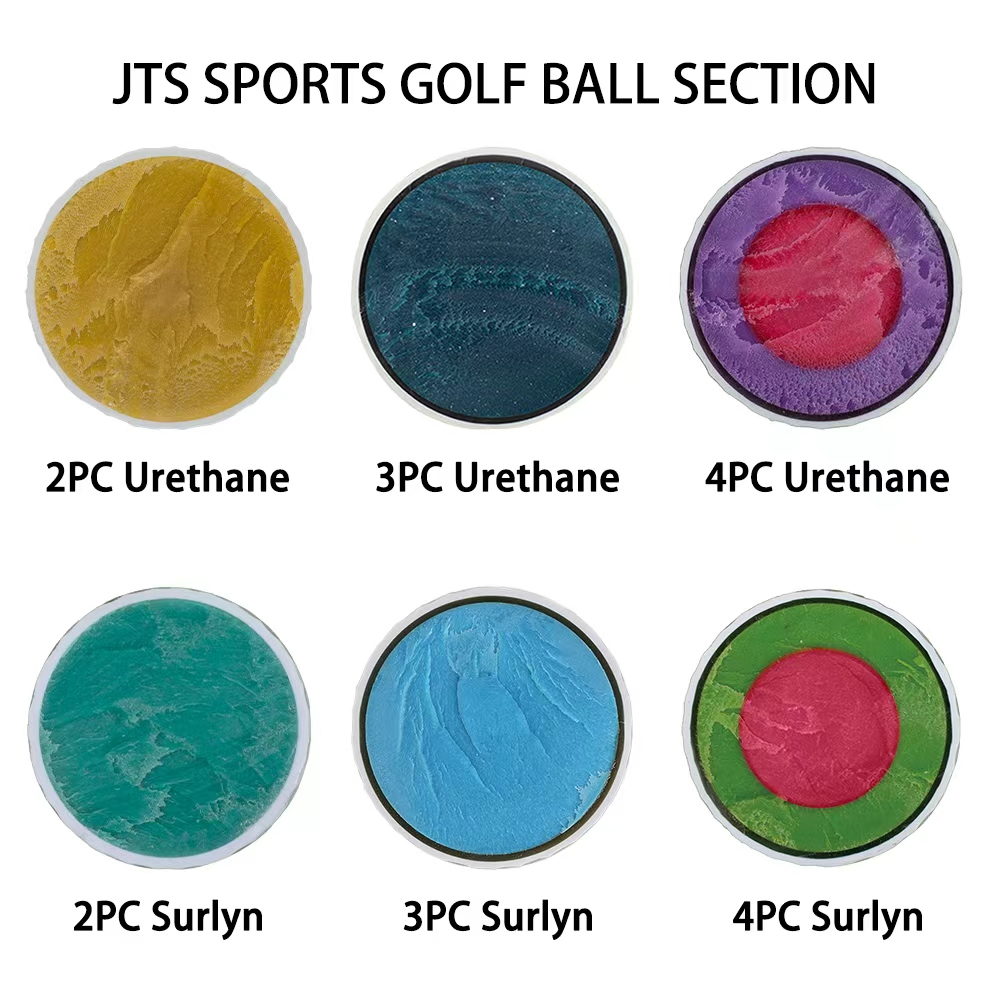
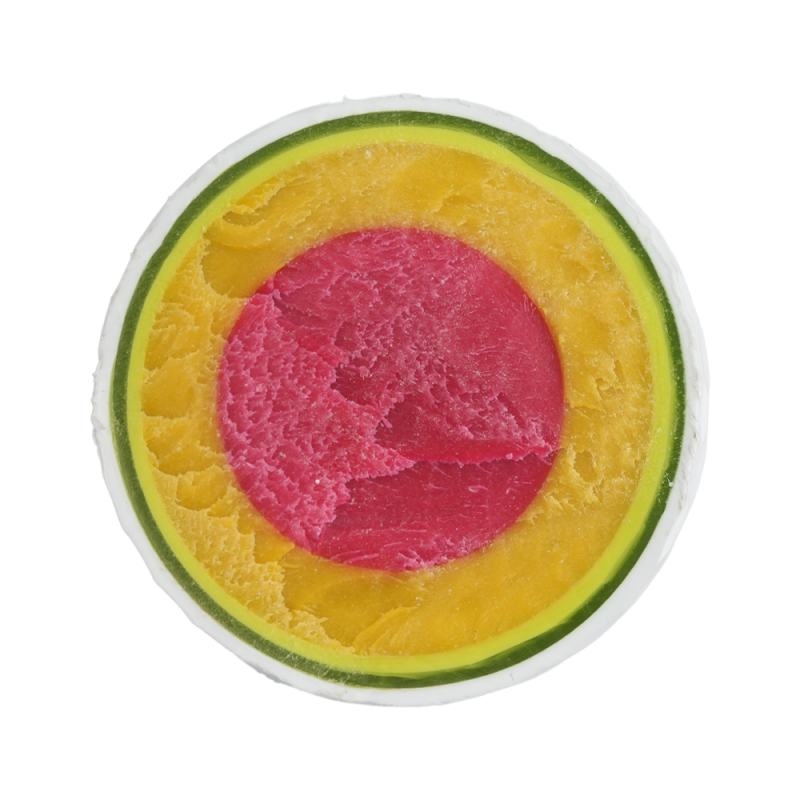
Golf balls are made using various layers of rubber materials in their core. They can feature:

  • 2-piece balls: A solid rubber core with a durable cover.
  • 3-piece balls: A core, a mantle layer, and an outer cover.
  • 4-piece balls: Additional layers for enhanced performance.

The outer layer is typically crafted from urethane or Dupont Surlyn, offering durability and spin control.

Poly-urethane is soft material, which give more control and spin rate.

The golfers who seek more skill and feel like this kinda of material.

For market oriented, the north America is main market for this one.

It is a very hard and solid ball that dupont surlyn.

The high compression and low spin make it drive longer than urethane ball.

The more layer give the ball more hardness and compression.

The world golf long drive competition, golfers who want a great distance. The four piece dupont surlyn is the best one, which bring the longest distance. Drive long and fast!

If you want to break your long drive record, using this hard ball for sure!

Our JTS 4 piece dupont surlyn win the championships at 234/mph speed.

The history of the golf ball

The composition of golf balls has evolved significantly over time:

  • Wooden Balls (15th century): Early golf balls were made of wood, but they were difficult to hit consistently.
  • Featherie Balls: Leather spheres filled with feathers and painted white. These balls absorbed water and quickly became misshapen.
  • Gutta Percha Balls (19th century): Made from natural latex, these balls were more affordable, durable, and uniform in shape.
  • Haskell Balls: Featuring rubber strands wound around a solid core, coated in gutta percha, and sporting dimples to improve flight.
  • Rubber balls: The Titleist Pro V1 golf ball, first introduced in October 2000, revolutionized the golf ball market by offering both distance and feel, previously considered trade-offs. Its multi-layer construction and urethane cover provided exceptional performance, leading to its rapid adoption on professional tours and in the marketplace. The Pro V1’s immediate success solidified its position as a dominant force in golf.

Modern golf balls use advanced materials and designs to enhance distance, spin, and control for players of all skill levels.

The importance of golf ball design

Golf ball design directly impacts performance. Here’s why it matters:

  • Distance & Accuracy: Dimple patterns, cover materials, and core compression influence aerodynamics, ensuring greater distance and precision.
  • Spin Control: The cover material and dimple pattern affect how the ball spins, especially during approach shots or short-game play.
  • Feel & Feedback: Golfers can choose softer or firmer balls depending on their preference for feedback when striking the ball.
  • Swing Speed & Compression: Golf balls are tailored for different swing speeds, with low-compression balls suiting slower swings and high-compression balls suiting faster swings.
  • Skill Level: High-handicap players may prefer balls designed for forgiveness and distance, while low-handicap players opt for precision and control.
  • Weather Performance: Some balls are engineered for optimal performance in specific weather conditions, like hot or cold climates.

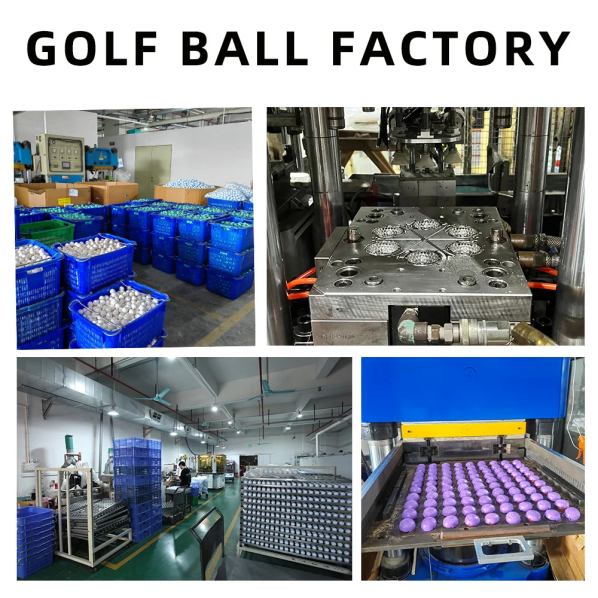
How are golf balls made?

The process of manufacturing golf balls includes:

  1. Core Formation: Mixing rubber compounds (like polybutadiene) with additives to achieve desired compression and feel.
  2. Core Moulding: Shaping the rubber mixture into spherical cores using compression or injection moulding.
  3. Mantle Layer Application: Multi-layer balls receive a mantle layer to enhance spin, distance, or control.
  4. Cover Preparation: Cover materials are blended with additives to achieve the desired hardness, durability, and feel.
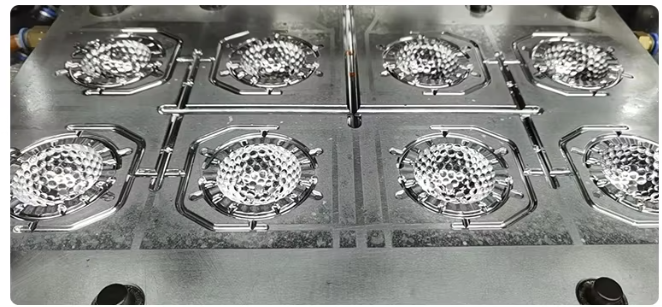
  5. Cover Moulding: The cover is formed into two halves with dimples added to its surface.
  6. Core Encapsulation: The core (and mantle layer, if applicable) is encased within the cover.
  7. Cover Bonding: Heat and pressure fuse the two halves of the cover together.
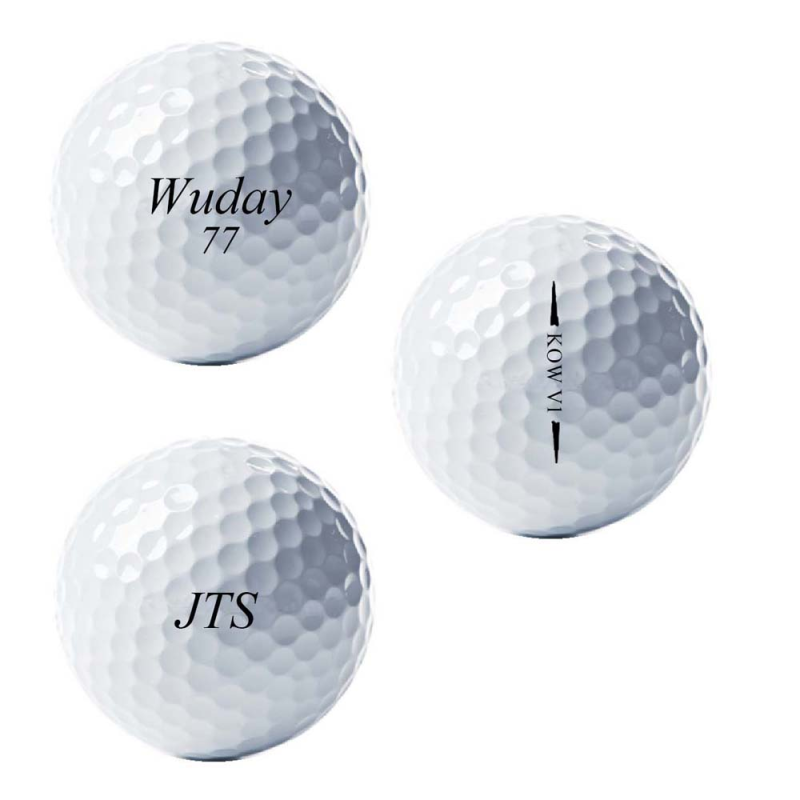
  8. Finishing: Excess material is trimmed, and the ball is painted, printed, and customized (e.g., with logos or alignment aids).
  9. Quality Control: Balls undergo stringent checks to ensure they meet manufacturers’ standards.

What are the different types of golf balls​?

There are several types of golf balls, each suited to different playing styles:

  • Two-Piece Golf Balls: Durable and ideal for distance, popular with high-handicap and casual players.
  • Multi-Layer Golf Balls: Designed for control, spin, and distance; ideal for mid-handicap players.
  • Tour-Level Golf Balls: Premium balls for advanced golfers, offering superior spin and control.
  • Distance Golf Balls: Low-compression cores and harder covers optimize long shots and minimize spin.
  • Low-Compression Golf Balls: Best for slower swing speeds, generating higher ball speeds.
  • High-Compression Golf Balls: Designed for faster swing speeds, offering control and reduced spin.
  • Women’s Golf Balls: Marketed for women, with softer feels and lower compression levels.

Enhance your golf skills with JTS

JTS is here to help you improve your golf performance. Simply track your progress and obtain a Handicap Index® under the World Handicap System™ by joining JTS today.

1.Learn more about golf ball
In the world of golf, the starting point of every game and the key partner that every golfer cannot do without is the golf ball.
Why is the choice of golf ball so important to the game?
From compression ratio to layer design, from material to flight trajectory, every parameter of a golf ball is essential:

Compression ratio: Fast swing speed is suitable for high compression balls, which can generate extreme explosive power. It requires players to have a high swing speed, usually more than 145km/h. It has a significant advantage in hitting distance, with an average hitting distance of more than 270 yards;The slow swing speed is adapted to the low compression ball, which can provide excellent hitting distance at a lower swing speed (less than 90km/h) and make every shot as stable as a rock.

Ball structure: double-layer balls take into account both distance and basic performance, suitable for beginners to practice or for amateur players to play on a daily basis;The three-layer ball is the “king of cost-effectiveness” and you can clearly feel the significant improvement in club control; the four- or five-layer ball has high speed and all-round performance optimization and is generally suitable for professional players and high-level enthusiasts.

Special material: In different competition fields – wind-resistant balls are not afraid of strong attacks and can reduce the impact of wind on the flight of the ball;Soft core balls improve the feel and can help players sense the force and direction.Only by fully understanding the materials of golf balls can you better conquer various courses.

2.The close connection between golf and golf
On the vast playing field, golf and the sport of golf are closely connected and intertwined.From its ancient origins on the Scottish coast to the pinnacle of competition in a variety of events, golf has always been a staple of the sport.Golf balls, as a key element in the sport of golf, are inseparable from each other. From the origin and development of the sport, to the formulation of competition rules, to the display of player skills, all are inseparable from this small golf ball. It runs through the starting point and end point of the golf trajectory and becomes the core link connecting all aspects of this sport.

In terms of size and weight, the diameter of a golf ball must not be less than 42.67 mm and the weight must not exceed 45.93 grams. These seemingly small data are the basis of competition in golf.The dimple design on its surface can effectively reduce air resistance and increase lift. Studies have shown that the dimple design can increase the flight distance of the ball by about 20% compared to a smooth sphere, helping players to accurately send the ball to the target area. During the game, players will also choose different models of golf balls according to different venues and wind conditions to achieve the best results.

3.How to choose the golf ball that suits you
In the sport of golf, choosing a golf ball that suits you can significantly improve your hitting performance. There are many types of golf balls on the market, with different materials, structures and performance parameters. The following provides references for choosing golf balls from different angles:
·Identify your needs and preferences
Determine the course environment and weather conditions, batting style, target effect to be achieved, etc.
·Choose the right manufacturer

Filter by technical strength and brand positioning,
Balance between cost performance and technology,

Choose the one that suits your preference and style.

  • According to swing speed

Slow swing (<85 mph): It is suitable to choose a ball with a low compression rate (below 70) to better transfer power and increase hitting distance.

Medium swing (85-105 mph): A medium compression ball (70-90) that balances distance off the tee with accuracy around the green.

Fast swing (>105 mph): A ball with a high compression ratio (90 and above) that can withstand strong hits and convert them into high initial velocity.

  • Choose according to the structure and number of layers of the ball
    Golf balls can be divided into two-layer balls, three-layer balls, four-layer balls and even five-layer balls according to their structure. The more layers there are, the more complex the technology is and the more comprehensive the functions are. The high spin characteristics of three-layer/four-layer balls make the ball stop as soon as it hits the ground; if you prefer to drive from a long distance, the direct flight advantage of a two-layer ball can help you break the game easily.
  1. How to enjoy the ultimate experience of golf
    Golf attracts countless fans with its unique charm. It is not just a sport, but also the ultimate enjoyment of oneself. Golf is also a competition with oneself. Every shot is a comprehensive test of technique, psychology and strategy. When we devote ourselves to it with concentration, love and positive attitude, we can harvest our own beautiful moments in this world and appreciate the unique charm of golf.