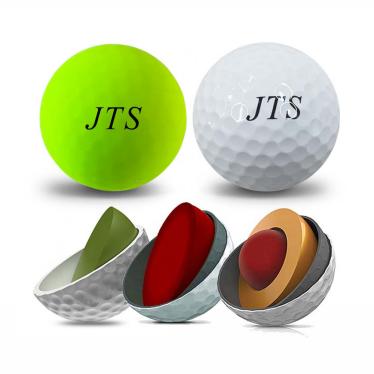
The evolutionary history of golf is a tale of technological innovation, advances in materials science and cultural change. This elegant game, which has evolved over the centuries since its inception in Scotland in the early 15th century, has not only witnessed the innovation of golf equipment, but also reflected the process of golf from aristocratic entertainment to popularization.

Origin and early form

The original prototype of the golf ball was far from what we know today. In 15th century Scotland, golf balls were made of feather-filled leather balls called featherie. Makers compress and sew soft-boiled goose or duck feathers into hand-made leather shells and coat them with coats of paint for durability. Although cumbersome and expensive to make, the “featherie” ball has been the standard form of golf for centuries.

The Gutta gumball revolution

By the middle of the 19th century, the making of golf balls ushered in an epochal change. In 1848, a pastor named Rev. Adam Paterson stumbled upon a natural resin called guta gum, which was soft when heated and hardened when cooled. The birth of Guta rubber ball completely changed the production method of golf balls, making the production of balls more economical and efficient, while improving the elasticity and flight distance of the ball. The application of this new material was rapidly popularized, and Guta rubber balls became the mainstream golf balls of the late 19th century to the early 20th century.

Rubber core with modern golf balls

At the beginning of the 20th century, the appearance of rubber once again promoted the evolution of golf. In 1905, Haskell & Sons introduced the rubber filament wrapped hard rubber core ball, which far exceeded the performance of the Guta rubber ball, not only the flight distance, but also better control. This innovation marked the beginning of the modern golf ball.

The fusion of technology and materials

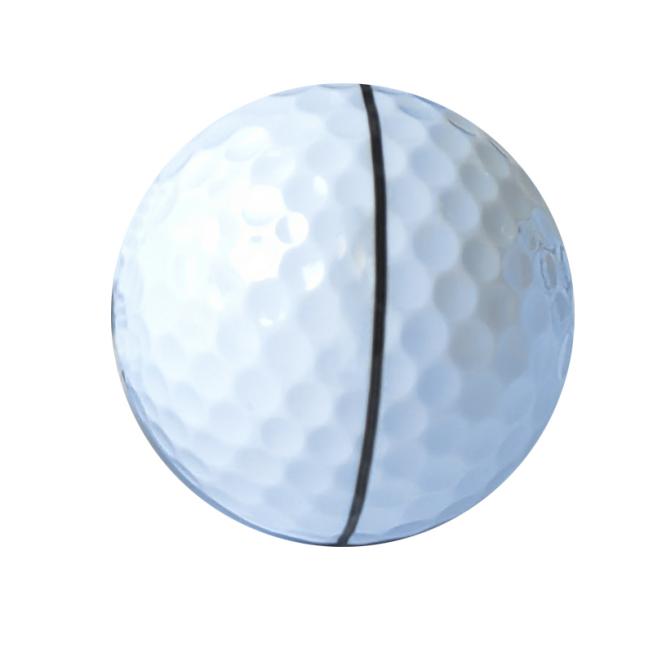
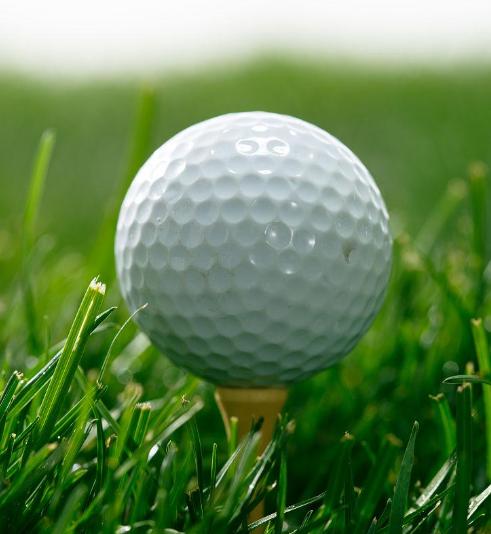
In the 21st century, the manufacture of golf balls has entered a high-tech era. The application of composite materials such as thermoplastic elastomers and ionic polymers makes the structure of the ball more complex, including multiple layers of the ball center, intermediate layer and surface covering layer. The combination of these materials not only optimizes the flight characteristics of the ball, but also improves batter feel and durability. In modern golf ball design, aerodynamic principles are also taken into account, and concave points (called “dimples”) on the surface are used to reduce air resistance and improve flight efficiency.

Environmental trends and future prospects

With the increase in environmental awareness, the golf industry has also begun to explore the path of sustainable development. The concept of biodegradable materials and recycling is gradually being incorporated into the manufacture of golf balls, seeking to reduce the environmental impact without sacrificing performance. From the ancient hand-made badminton to today’s high-tech synthetic ball, every evolution of golf has carried the relentless pursuit of human perfection. In the future, innovation in golf will continue to integrate new technologies and materials to bring more exciting experiences to the game. The above Outlines the evolution of golf from its origins to the present day, each stage reflecting the fruits of human wisdom combined with natural materials, heralding a more diverse and environmentally friendly future for golf.

The structure of modern golf

Modern golf balls fall into two main categories: double and triple (or more), both of which are optimized based on the concept of a rubber core.

1.Two-Piece Balls:

These balls usually consist of a hard rubber or synthetic material core (usually larger and harder) with a thinner shell. This design provides a longer flight range and is particularly suitable for amateur players who pursue long distance rather than spin control.

2.Three-Piece Balls:

It consists of a soft rubber or mixture core surrounded by a harder rubber layer, the outermost layer of which is a smooth skin. This multi-layered structure allows the ball to generate more spin when struck, thus providing better control and precision with a short stroke, and is preferred by many professional players and high-level amateurs.

Advances in materials and technology

With the development of science and technology, the core material of modern golf balls continues to evolve, from natural rubber to synthetic rubber, and then to a variety of high-tech polymers, such as ionic omer. These new materials not only enhance the durability and performance of the ball, but also enable manufacturers to precisely adjust the hardness, elasticity, weight distribution and other characteristics of the ball to meet the needs of players at different levels.

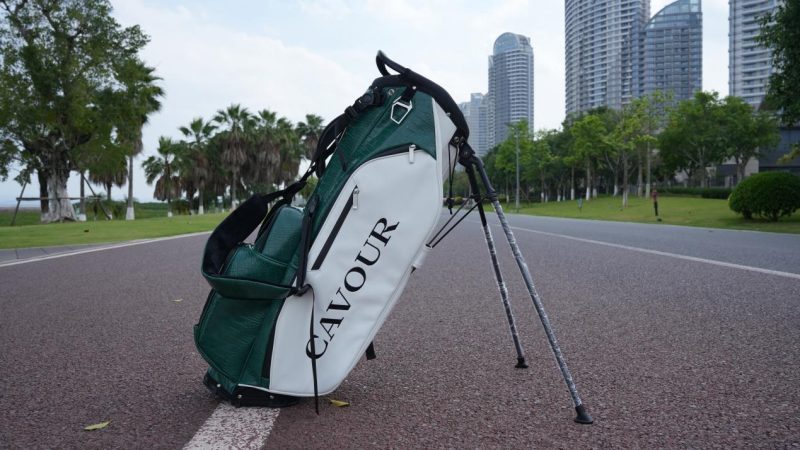
Forget the clubs for a moment. Your golf bag is the unsung hero (or villain) of every single round. It’s your mobile command center, your equipment guardian, your constant companion across 18 holes. Choose poorly, and you’re saddled with frustration, backache, and disorganized chaos. Choose wisely, and you unlock comfort, convenience, and maybe even a few strokes saved through better focus and preparedness. This comprehensive guide dives deep into the critical factors for selecting the perfect golf bag for your game.

Why Your Golf Bag Choice Matters More Than You Think

It’s not just a sack for your clubs. Your bag fundamentally impacts:

◆ Physical Comfort & Fatigue: A poorly designed or heavy bag, especially if you walk, leads to back, shoulder, and arm strain. Comfort directly affects your energy levels and swing late in the round.
◆ Course Management & Pace of Play: Easy access to clubs, balls, tees, and rangefinders keeps you organized and moving efficiently. Fumbling costs time and rhythm.
◆ Equipment Protection & Longevity: Quality bags shield your expensive clubs from chatter damage, the elements (sun, rain, moisture), and accidental drops.
◆ Convenience & Preparedness: Adequate storage for essentials (rain gear, extra layers, snacks, valuables) means you’re ready for anything the course throws at you.
◆ Personal Style & Enjoyment: Let’s be honest, a bag you like the look of adds a touch of pride and enjoyment to your round.

Navigating the Golf Bag Landscape: Core Types

The first major decision hinges on how you primarily play:

■ 1. Cart Bags (The Feature-Rich Workhorse):
Design: Built specifically to ride securely on motorized or push/pull carts. Typically larger and heavier.
Key Features:
Top: Often a 15-way top (or 14+ putter well) for maximum club organization and protection.
Storage: CHAMPIONS storage! Multiple large, specialized pockets: insulated cooler pockets, full-length apparel pockets, dedicated rangefinder/valuables pockets, numerous accessory pockets. Think “golfing suitcase.”
Stability: Wider base for stability on the cart. May have non-slip or strap-friendly bases.
Putting Well: Almost always includes an easily accessible putter well.
Pros: Ultimate organization, maximum storage, excellent club protection, easy access on a cart.
Cons: Heaviest option, cumbersome to carry any distance, can be top-heavy if poorly designed.
Best For: Golfers who primarily ride in a cart, value maximum organization and storage, and don’t mind the weight.

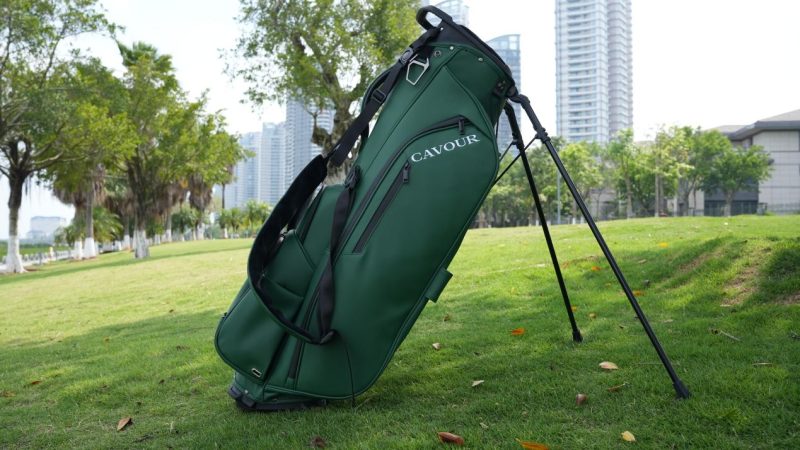
■ 2. Stand Bags (The Versatile All-Rounder):
Design: The most popular choice. Features built-in retractable legs activated when you set the bag down, keeping it upright and clubs accessible anywhere on the course.
Key Features:
Legs: Dual legs with durable feet. Look for stability and smooth retraction mechanisms.
Top: Usually 4-way, 5-way, 6-way, or 14-way tops. Balance organization with weight.
Weight: Prioritizes lighter materials (though varies greatly). Carrying comfort is paramount.
Storage: Good pocket configuration – typically several apparel/accessory pockets, a valuables pocket, and often a cooler pocket (smaller than cart bags). Pockets designed for easy access while walking.
Straps: Dual, well-padded, ergonomic straps (often convertible to single strap) are crucial. Look for comfort tech.
Pros: Excellent versatility (suitable for carrying, push carts, and riding carts), good storage, keeps clubs upright and accessible, generally lighter than cart bags.
Cons: Less storage than cart bags, smaller tops can sometimes cause club tangle (depends on design), legs add slight weight/complexity.
Best For: Golfers who walk frequently (with or without a push cart), occasional riders, those wanting the best balance of features and weight. The most versatile choice.

■ 3. Carry Bags (Sunday Bags / Ultralight):
Design: Minimalist. Focuses purely on lightweight carrying. Usually lacks legs.
Key Features:
Weight: Extremely light (often under 3-4 lbs).
Top: Simple 3-way or 4-way top, or even a single divider tube. Minimal club separation.
Storage: Very limited – maybe 1-2 small pockets for essentials (balls, tees, wallet).
Straps: Single strap (sometimes convertible) for simplicity.
Pros: Absolute lightest option, simplest design, easy to carry for short walks or quick practice sessions.
Cons: Virtually no club protection (lots of chatter), minimal storage, clubs fall over constantly, uncomfortable for a full 18 unless supremely fit.
Best For: Short courses, par-3 courses, practice range sessions, travel (as a backup), or the ultra-minimalist golfer carrying only a half-set.

■ 4. Staff Bags (The Tour Pro Look & Heavy-Duty Hauler):
Design: Large, heavy, traditionally used by caddies carrying for tour pros. Often branded heavily for players.
Key Features:
Size & Weight: Largest and heaviest type (10+ lbs empty is common). Premium materials (often leather or heavy synthetic).
Storage: Massive storage capacity, similar to high-end cart bags but often more robustly built.
Durability: Built to withstand rigorous travel and constant use.
Image: Projects a classic, professional aesthetic.
Pros: Ultimate durability, immense storage, maximum club protection, prestigious look.
Cons: Extremely heavy, expensive, impractical for carrying (designed for caddies/carts), bulky.
Best For: Golf professionals, elite amateurs with caddies, golfers who exclusively ride and want the ultimate durable bag with max storage and a tour look. Not for walkers.

■ 5. Travel Bags (The Essential Protector):
Design: Not for the course itself! These are sturdy cases (hard or soft shell) designed specifically to protect your golf bag and clubs during airline travel.
Key Features: Padding, structure (hard cases), wheels, durable exterior materials, often TSA-approved locks.
Critical: NEVER check your clubs in just your regular golf bag. A dedicated travel bag is mandatory for safe air travel.

Choosing Your Perfect Match: Key Selection Criteria

Once you’ve identified the primary type (likely Stand or Cart for most), drill down with these factors:

  • 1. Top Design & Club Management:
    Full-Length Dividers vs. Individual:Do dividers run the full length of the bag (best protection, prevents grip tangling) or just partway? Full-length is superior.
    Number of Dividers: More dividers (14-way) = better organization & protection but can be bulkier/heavier. Fewer dividers (4-way, 5-way) = lighter weight, potential for club tangle. Consider: How many clubs do you carry? Do you have oversized grips? How much does club chatter annoy you?
    Putter Well: Is there a dedicated, easily accessible slot for your putter? Highly recommended.
  • 2. Weight: The Burden or the Blessing:
    Empty Weight:Crucial for walkers! Stand bags range from under 4 lbs (ultralight) to over 6 lbs. Cart/Staff bags are heavier (5-10+ lbs).
    Loaded Weight: Remember to factor in clubs (15-20 lbs), balls, water, gear! A 5-lb bag becomes 25+ lbs quickly. Lighter bags significantly reduce fatigue.
  • 3. Storage & Pockets: Your Mobile Locker:
    Apparel Pocket:Size matters! Can it hold a jacket, sweater, or rain pants? Is it full-length?
    Cooler Pocket: Insulated? How big? Can it hold multiple drinks/snacks?
    Valuables Pocket: Padded? Zippered? Water-resistant? Secure for phone, wallet, keys.
    Rangefinder Pocket: Dedicated, often fleece-lined? Easy access?
    Accessory Pockets: Enough for balls, tees, gloves, tools, sunscreen? Well-organized?
    Access: Are pockets easy to open/close while wearing a glove? Placement matters when the bag is on your back or a cart.
  • 4. Comfort & Carrying System (For Stand/Carry Bags):
    Straps:Dual straps are essential for walking. Look for:
    Padding: Thick, breathable foam.
    Ergonomics: Contoured to fit shoulders/back. Padded lumbar support?
    Adjustability: Easy to customize fit.
    Dual/Single Convertible? Some offer flexibility.
    Brand Tech: Look for systems like Titleist’s 4-way, Ping’s Hoofer, Sun Mountain’s 4.5 LS – designed for comfort.
    Hip Pad: Does it have a padded hip pad for extra stability and weight distribution?
    Balance: How does the bag feel when loaded on your shoulders? Does it sag or pull awkwardly?
  • 5. Durability & Materials: Built to Last:
    Fabric:High-denier polyester (e.g., 600D, 900D, 1200D+) or nylon is standard. Higher denier = tougher but heavier. Leather (Staff) is premium but high-maintenance.
    Zippers: Quality YKK zippers are a good sign. Water-resistant zippers are a bonus.
    Stitching: Reinforced stitching at stress points (straps, legs, pocket seams).
    Legs & Feet: Sturdy construction, metal components often better than plastic. Non-slip feet.
    Base: Reinforced, waterproof base is ideal.
  • 6. Extras & Personal Touches:
    Rain Hood:Is one included? Fits well? Easy to deploy? Essential gear!
    Umbrella Holder/Sleeve: Secure and easy access.
    Towel Ring/Loop: Convenient for your go-to towel.
    Glove Holder: Keeps it handy and aired out.
    Pen/Pencil Holder: Small but useful.
    Colors & Branding: Find one that matches your style!

Putting It All Together: Your Selection Checklist

Primary Use: Walk? Push Cart? Ride? Mostly walking = Stand Bag. Mostly riding = Cart Bag.

Weight Priority: Ultra-lightweight? Feature-rich? Find the balance. Walkers: Prioritize Lightness!

Storage Needs: Minimalist? Pack mule? Match pockets to what you actually carry. Be realistic.

Organization: Need meticulous club separation (14-way) or prefer simpler (5-way)? Hate club tangle?

Comfort (Walkers): TRY IT ON LOADED! Test the straps, balance, and hip pad. This is non-negotiable.

Durability: Will it last multiple seasons? Check materials and construction.

Budget: Set a realistic range. Premium features (ultralight materials, top strap systems) cost more.

Try Before You Buy (If Possible):

Load it with demo clubs (or similar weight).

Practice taking clubs in and out.

Test the stand mechanism.

Open and close pockets.

Wear it! Walk around the store.

Final Thoughts: Invest in Your On-Course Experience

Your golf bag is a crucial piece of equipment that impacts your enjoyment and performance every single time you play. Don’t treat it as an afterthought. By carefully considering how you play, what you carry, and the features that matter most to you (especially comfort if you walk!), you can make an informed decision. Remember, the perfect bag feels like an extension of yourself – organized, comfortable, reliable, and ready to tackle the challenges and joys of the course. Take your time, do your research, and invest in a bag that will be a trusted partner for countless rounds to come.

ENJOY YOUR GAME!

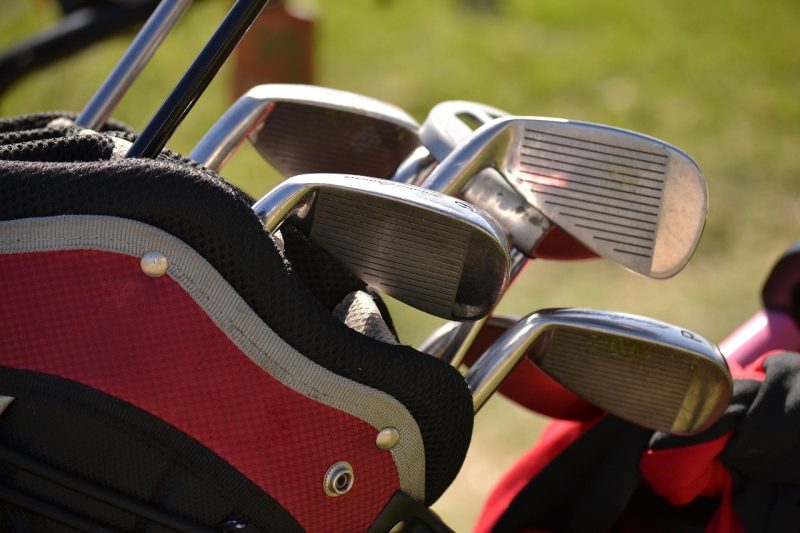
Golf iron covers are protective accessories designed to shield your golf irons from potential damage. These covers snugly fit over the iron heads, providing a layer of protection against scratches, dings, and other types of wear and tear that can occur both on and off the golf course. Typically made from materials like neoprene, leather, or synthetic fabrics, golf iron covers come in various designs and colors to suit different preferences.

The primary purpose of these covers is to maintain the pristine condition of your golf irons, which are significant investments for any golfer. By preventing damage, golf iron covers help extend the lifespan of your clubs, thus preserving their performance and appearance. As an avid golfer, I understand the importance of keeping my equipment in top-notch condition, and golf iron covers play a crucial role in achieving this.

Moreover, golf iron covers are not only functional; they also add a personal touch to your golf bag. Customizable options allow you to express your personality and style, making your golf set unique. Whether you prefer classic designs or vibrant patterns, there is a golf iron cover that will match your taste.

.

Essential Benefits of Using Golf Iron Covers

  1. Protection from Damage: One of the most important advantages of using golf iron covers is the protection they offer. They protect your irons from scratches, dents, and other types of damage that may occur during transportation or play. This protection helps maintain the club’s original design and usefulness.
  2. Noise Reduction: Golf iron covers also reduce the noise made when clubs clank together in the bag. This noise reduction is not only pleasant for your ears, but it also reduces the risk of injury caused by the continual impact of clubs.
  3. Weather Resistance: Many golf iron covers are water-resistant, which protects your clubs from rain and moisture. Keeping your irons dry reduces rust and corrosion, which extends their life. This function is very useful for golfers who play in a variety of weather situations.
  4. Aesthetic Appeal: Golf iron covers come in a range of styles, colors, and materials that can make your golf bag stand out. Personalized coverings can represent your style and help your equipment stand out on the course.
  5. Ease of identifying: Golf iron covers frequently include visible identifying labels, making it easy to immediately select the proper club. This convenience is especially beneficial for golfers who carry many irons and want to simplify their game.

Types of Golf Iron Covers Available

Golf iron covers come in several types, catering to different needs and preferences. Understanding the options available can help you make an informed decision.

  1. Neoprene Covers: These are popular due to their flexibility and snug fit. Neoprene is a durable material that provides excellent protection and is resistant to water, making it an ideal choice for all-weather golfers.
  2. Leather Covers: Leather covers are known for their traditional appearance and luxury feel, adding a touch of elegance. They are long-lasting and provide enough protection, yet they may necessitate additional upkeep to remain in perfect shape.
  3. Synthetic Covers: These covers are often lightweight and available in a variety of styles and colors. They strike a balance between safety and style, making them an adaptable option for many golfers.
  4. Personalized Covers:Many manufacturers have customization choices, allowing golfers to put their names, emblems, or distinctive designs. Personalized covers are ideal for anyone want to make a statement on the course.
  5. Magnetic Closure Covers:These covers use magnets to secure them over the irons, offering a convenient and quick way to cover and uncover your clubs. They are ideal for golfers who prioritize ease of use.

How to Choose the Right Golf Iron Covers

Selecting the right golf iron covers involves considering several factors to ensure they meet your needs.

  • Material:Choose a material that meets your durability, weight, and aesthetic preferences. Neoprene is ideal for all-around protection, and leather provides a traditional appearance.
  • Fit: Ensure that the covers fit your irons tightly without being too tight. A correct fit provides optimal protection and ease of use.
  • Personalization: Select a design that matches your style. Personalized options can add a unique touch to your golf set, helping it stand out.
  • Closure Type:Choose between standard slip-on or magnetic closures for convenience.
  • Budget:Set a budget and find covers that offer the finest quality within your price range. While lower-cost choices exist, investing in high-quality covers offers long-term protection.

Maintenance Tips for Golf Iron Covers

Maintaining golf iron covers is essential to ensure they continue to provide optimal protection.

  • Regular Cleaning: Clean your covers regularly using mild soap and water to remove dirt and grime. Avoid harsh chemicals that can damage the material.
  • Drying: After cleaning or exposure to rain, ensure the covers are thoroughly dried before storing them. This prevents mold and mildew from developing.
  • Storage: When not in use, store your covers in a dry place away from direct sunlight to prevent fading and deterioration.
  • Inspect for Damage:Regularly check for signs of wear and tear, such as holes or loose seams. Replace any damaged covers to maintain protection.
  • Handle with Care:Avoid dropping or mishandling the covers to prolong their lifespan and keep them looking their best.

Where to Buy High-Quality Golf Iron Covers

Finding high-quality golf iron covers is crucial to ensure durability and protection.

 JTS-Sports offers premium-quality iron covers designed for performance and longevity. Made from high-grade materials, our covers provide excellent club protection while adding a sleek look to your golf bag.

Why Choose JTS-Sports?

  • Premium craftsmanship & lightweight design
  • Secure fit to prevent slipping or damage
  • Multiple colors & styles to match your gear
  • Affordable prices with fast shipping

Testimonials: Golfers’ Experiences with Iron Covers

Hearing from fellow golfers can provide valuable insights into the benefits of using golf iron covers.

  • John, Amateur Golfer: “I started using golf iron covers a year ago, and I can’t believe I didn’t do it sooner. My clubs look brand new, and the covers are so easy to put on and take off.”
  • Emily, Weekend Golfer: “The noise reduction alone makes them worth it. I used to get annoyed by the clanking in my bag, but now it’s silent. Plus, my clubs are always protected.”
  • Tom, Golf Enthusiast: “I love the personalized covers I got for my birthday. They reflect my personality and make my bag stand out. I also appreciate the protection they offer.”
  • Sarah, Professional Golfer: “As a professional, my equipment’s condition is crucial. Iron covers have saved me from many potential damages, and they give me peace of mind on the course.”

Conclusion: Improve Your Game Using Golf Iron Covers

In summary, golf iron covers are an essential investment for any golfer looking to protect their valuable equipment. They offer numerous benefits, from safeguarding your clubs against damage to enhancing the aesthetic appeal of your golf bag. By choosing the right covers, you ensure your clubs remain in top condition, directly impacting your performance on the course.

Consider the criteria discussed above when adding golf iron covers to your gear. With appropriate care, the covers will last for years, allowing you to focus on what really matters—enjoying the game.

Finally, if you’re ready to take the next step in safeguarding your golf irons, look into the options available and make a purchase that meets your needs and tastes. Investing in high-quality golf iron covers is a minor step that may greatly improve your golfing experience. Don’t delay—equip your bag with the protection it deserves and up your game today.

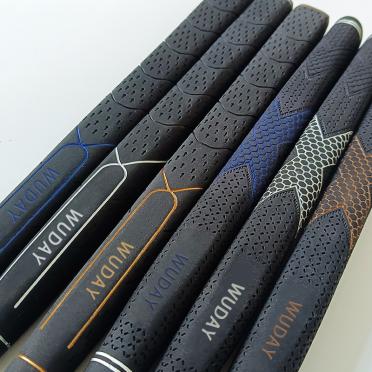
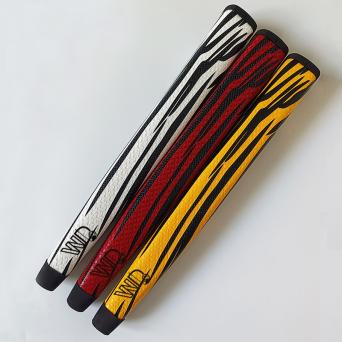
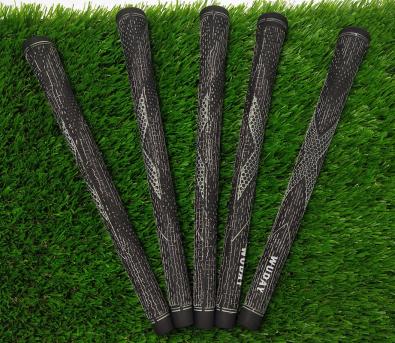
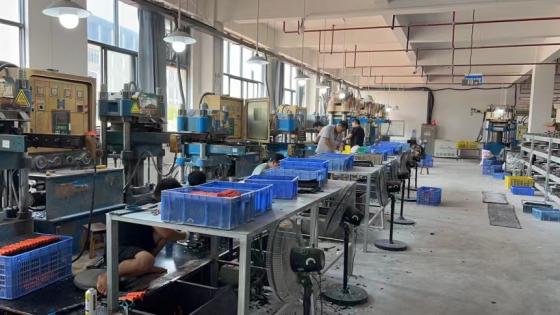
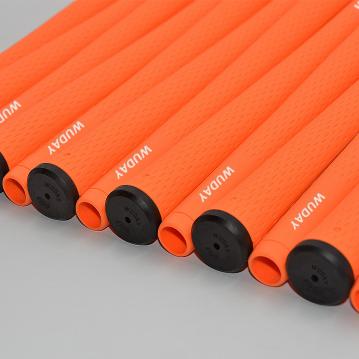
Established in 2008, We have rich experience in golf club customization and manufacturer, from its raw material selection to its component assembling, we highlight and implement strict QC in each procedure of our club manufacture, and have a deep understanding of selecting and manufacture suitable golf grips for golfers. It plays an important role to select a suitable golf club grip for most of golfer’s club. The grip is the golfer’s point of contact with the club, and it has a significant impact on swing control, comfort, and ultimately, performance.

The production procedure of a golf grip typically involves several meticulous steps to ensure the final product is of high quality and provides the desired feel and performance for golfers. Here’s a general overview of the process:

  1. Material Selection:

The first step is selecting the appropriate material for the grip. Common materials include rubber, cork, or synthetic compounds. The choice depends on the desired feel, durability, and cost.

  1. Molding or Cutting:

If the grips are made from rubber, they are typically molded using injection molding or extrusion processes. For cork or synthetic grips, they may be cut from sheets or rolls to the desired shape and size.

  1. Texturing:

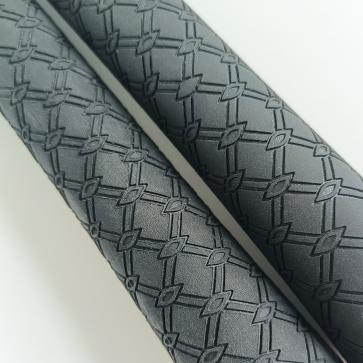
To provide a secure and comfortable grip, the surface of the grip is often textured. This can be done by embossing patterns into the material or applying a tacky coating that enhances the golfer’s ability to hold the club firmly.

  1. Taping or Adhesive Application:

Some grips may have an underlayer of tape or adhesive applied to the inside surface. This tape not only acts as a barrier between the grip and the club, but it also helps to secure the grip in place.

  1. Installation:

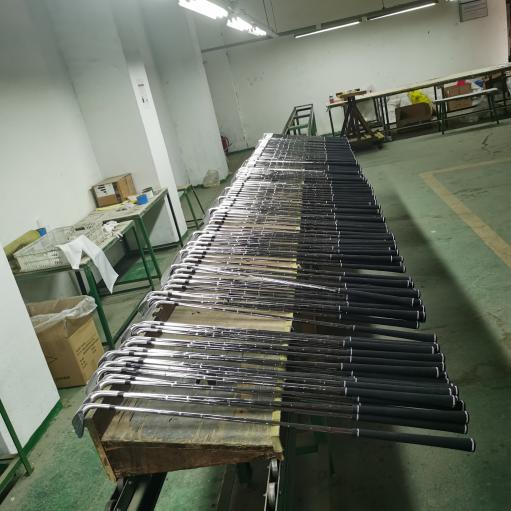
The grips are then installed onto the golf club shafts. This involves sliding the grip over the end of the shaft and ensuring it is positioned correctly. Some grips may require the use of solvents or adhesives to ensure a tight and secure fit.

  1. Curing or Drying:

After installation, the grips may need to be cured or dried to ensure the adhesives or coatings are fully set. This step ensures the grips are ready for use and will maintain their shape and texture over time.

  1. Quality Control:

Finally, each grip undergoes a quality control check to ensure it meets the specified standards. This may include checking for defects, ensuring the grip is the correct size and shape, and testing its durability.

  1. Packaging and Shipping:

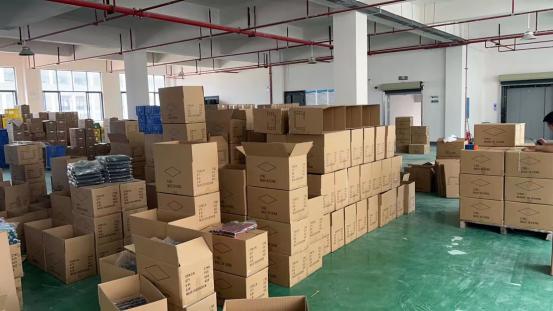
Once the grips have passed quality control, they are packaged for shipping to retailers or directly to consumers.

It’s worth noting that different manufacturers may have slight variations in their production procedures, depending on their specific materials, equipment, and quality standards. Additionally, some manufacturers may offer custom grips that can be personalized to the golfer’s preferences, such as varying thicknesses, colors, or textures. To place an order for custom golf grips, you can follow these general steps. However, please note that the specific process may vary depending on the company or vendor you choose.

  1. Identify Your Preferences: First, determine what type of grip you prefer, such as the material (rubber, cork, or synthetic leather), thickness, and texture. Consider the feel you want in your hands and how it will affect your game.
  2. Research Vendors: Research different companies or brands that offer custom golf grips. Read reviews, compare prices, and check out their range of customization options. Look for companies that have a good reputation for quality, customer service, and delivery speed.
  3. Contact the Vendor: Once you’ve narrowed down your options, contact the vendor you prefer either through their website, phone, or email. Ask about their customization process, available options, pricing, and any special instructions you need to follow.
  4. Provide Your Club Information: Provide the vendor with the necessary information about your golf clubs, such as the make, model, and shaft size. This will help them determine the right grip size and fit for your clubs.
  5. Select Your Customizations: Choose the specific design, color, logo, or any other customizations you want on your grips. Some vendors may provide online tools or templates to help you visualize and create your custom design.
  6. Place Your Order: Once you’ve decided on all the details, place your order with the vendor. Provide your payment information and confirm your shipping address.
  7. Wait for Delivery: Wait for your custom golf grips to be made and delivered to you. This may take a few days or weeks, depending on the vendor’s turnaround time and shipping method.
  8. Install or Have Them Installed: Once you receive your custom grips, you can install them on your clubs yourself if you’re confident doing so. Otherwise, you can take them to a golf shop or pro shop to have them installed professionally.

Remember to always read and understand the vendor’s return or exchange policies in case there are any issues with your order. Additionally, make sure to communicate clearly with the vendor throughout the process to ensure that your custom grips are made exactly as you envision them.

How to choose the right golf balls and packaging


To customize the right golf ball and its packaging, you can follow these steps and suggestions:

Steps to Customize Golf Balls

1.Choose a high-quality golf ball brand:

– Choose golf brands that are well-known and reliable in the market, such as TaylorMade, Bridgestone, etc. These brands typically offer golf balls in a variety of models and performance features to meet the needs of players of varying skill levels.
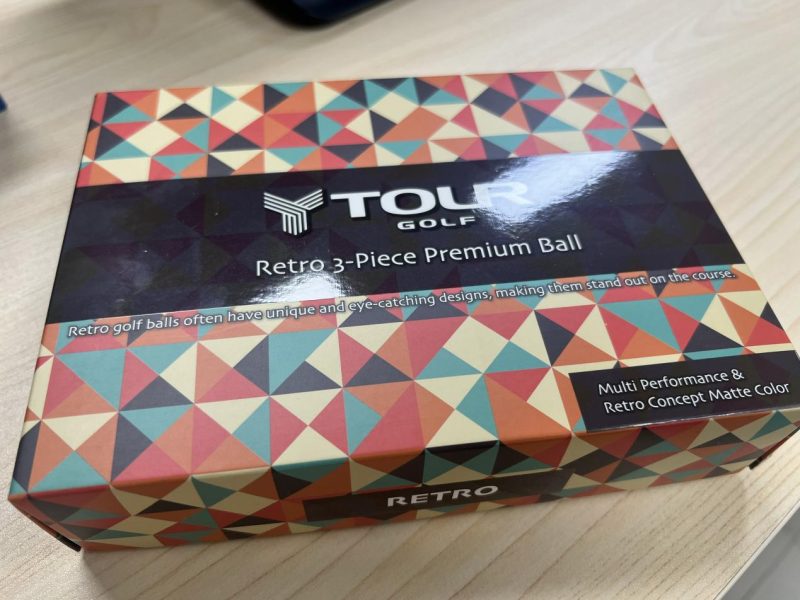
2.Determine required performance:

– Choose a golf ball with the appropriate performance based on factors such as your swing speed, playing style, and court conditions. For example, a player with a high swing speed might choose a golf ball with longer carry and lower spin properties.

3.Contact Customization Service:

– Many golf ball brands or specialized customization service providers offer golf ball customization services. You can contact them through the official website, phone, email, etc. to learn about the customization process, prices, and optional design elements.

4.Design custom patterns:

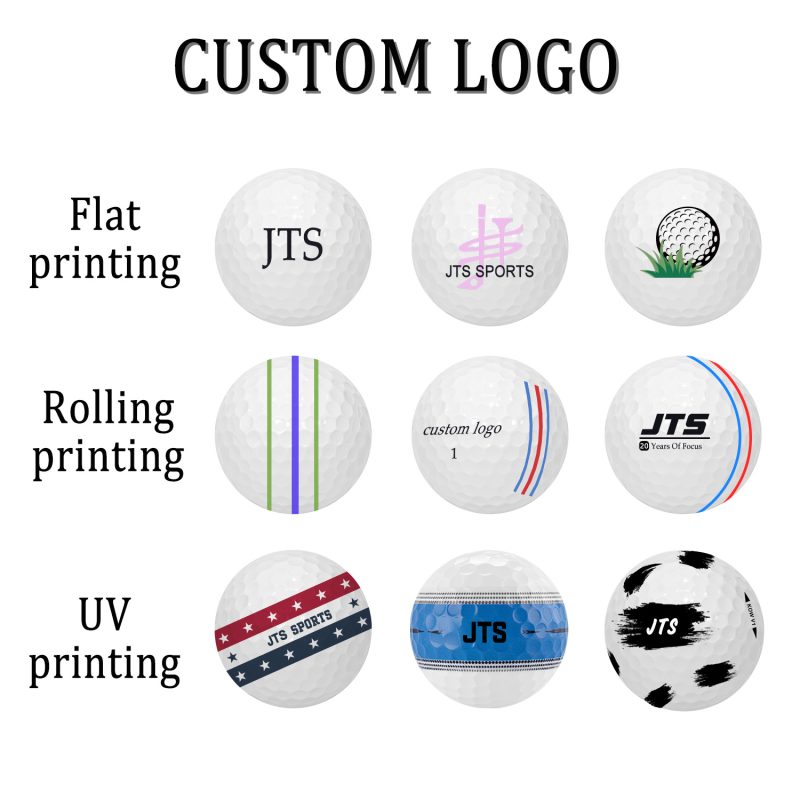
– In the customization service, you can design your own pattern, logo or text and have it printed on the golf ball. These design elements should be clear, concise, and consistent with the rules and requirements of the game of golf.

5.Confirm order and pay:

– After the design is completed, confirm the order information, including quantity, price, delivery time, etc., and make payment. Once payment is completed, the customized golf ball will enter the production process.

Steps to customize packaging

1.Select packaging materials:

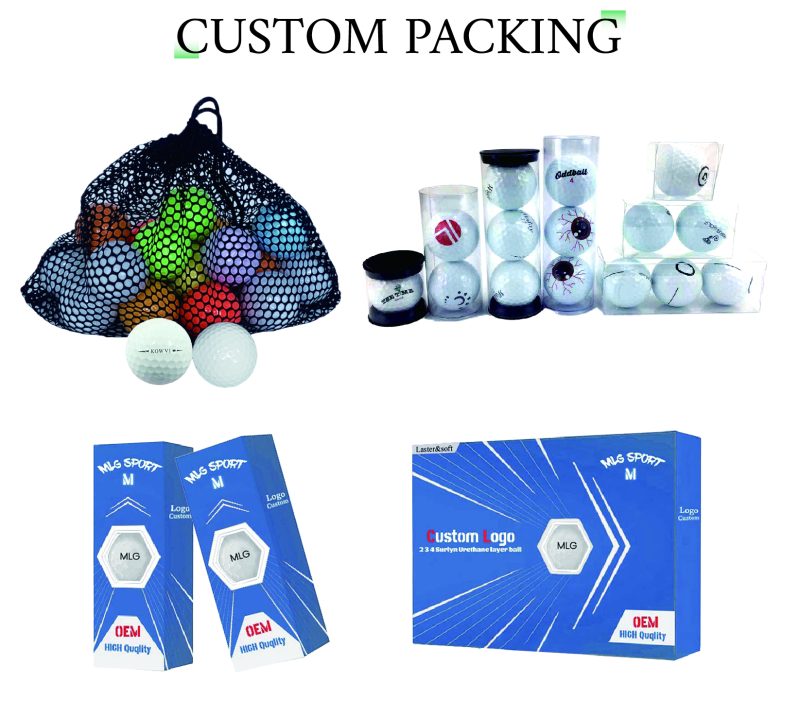
– Choose materials suitable for golf ball packaging, such as high-quality paper boxes, plastic boxes or metal boxes, etc. These materials should have certain pressure resistance, moisture resistance and aesthetics.

2.Design packaging pattern:

– Likewise, you can design your own pattern, logo or text and have it printed on the packaging. These design elements should echo the design on the golf ball to form a unified brand image.

3.Contact Packaging Service Provider:

– If you do not have the packaging production capabilities, you can contact a professional packaging service provider for customization. They can provide suitable packaging solutions based on your design requirements and needs.

4.Confirm packaging samples and produce:

– Before mass production, the packaging service provider can be asked to provide samples for confirmation. After confirmation, mass production will begin.

Precautions

Compliance: Ensure that customized golf balls and packaging comply with the laws and regulations of relevant countries and regions, especially those regarding intellectual property and trademark protection.

Quality Inspection: During the customization process, samples must be quality checked to ensure that the quality of the golf balls and packaging meet the requirements.

– Cost Control: During the customization process, costs must be reasonably controlled to avoid excessive waste and unnecessary expenses.

With the above steps and suggestions, you can customize the golf ball and its packaging to suit your needs. These customized golf balls can not only be used in competitions, but can also be used as corporate promotions, brand promotions or personal collections.

Introduction: The Invisible Game Changer

Golf is often called “a good walk spoiled,” but what truly spoils most rounds happens between your ears, not on the fairway. Consider this:

 65% of amateur golfers’ mistakes are mental, not technical (Golf Science Journal)

– Pros spend 40% of practice time on mental preparation (PGA Tour data)

– The average player gains 8-12 strokes under tournament pressure

This guide will transform how you approach golf’s mental challenges. We’ll cover:

  1. Why Your Brain is Your Most Important Club  
  2. Building a Tour-Level Pre-Shot Routine  
  3. Pressure-Proofing Your Game
  4. Strategic Thinking Like a Pro  
  5. Focus Techniques That Actually Work  
  6. Developing Unshakable Mental Toughness

1.Why Your Brain is Your Most Important Club  

Most amateurs obsess over equipment while neglecting their mental game. Yet neuroscience shows:

– Decision fatigue causes 60% more mistakes on the back nine

– Negative self-talk can increase heart rate by 15-20 bpm

– Proper visualization improves shot accuracy by 23%

The Pro Mindset Difference:

When Tiger Woods won the 2008 U.S. Open on a broken leg, it wasn’t his swing that triumphed—it was his ability to:

– Stay present shot-to-shot

– Reframe pain as a challenge

– Trust his process completely

Action Step: Start tracking mental errors (rushed shots, negative thoughts) alongside physical mistakes in your practice journal.

2.The Secret Weapon: Your Pre-Shot Routine  

Every elite player has a consistent routine. Here’s how to build yours:

Phase 1: Information Gathering (8 sec)

Stand behind the ball to:

– Check wind direction (use grass/trees)

– Pick a specific target (not just “fairway”)

– Visualize the ideal shot shape

Phase 2: Commitment (5 sec)

Approach the ball while:

– Taking two deep breaths (inhale 4 sec/exhale 6 sec)

– Repeating one swing key (“smooth tempo”)

– Feeling the perfect swing in your body

Phase 3: Execution (3 sec)

– Quiet your mind with a trigger word (“execute”)

– Maintain soft focus on the ball

– Hold your finish for feedback

Pro Tip: Time your routine. Under pressure, it will naturally speed up 20%, so build in that buffer during practice.

3.Pressure-Proofing Your Game  

The Navy SEAL Breathing Technique

Used by special forces in combat:

  1. Inhale deeply for 4 seconds
  2. Hold for 4 seconds
  3. Exhale slowly for 6 seconds
  4. Repeat 3 times before crucial shots

The 10-Second Reset Rule

After a bad shot:

  1. Vent briefly (10 seconds max)
  2. Ask: “What’s the smartest play from here?”
  3. Commit to the new plan

Pressure Training Drill

Play “Last Putt” – treat every practice putt as if it’s to win a tournament. Add consequences (pushups for misses) to simulate stakes.

4.Strategic Thinking Like a Pro  

Amateurs see flags. Pros see percentages.

When to Attack:  

– Short par 5s with good lies

– Downwind shots to accessible pins

– When leading by 3+ strokes

When to Play Safe:  

– Trouble on both sides of fairway

– Into strong winds

– When your miss pattern is unpredictable

Elevation/Wind Adjustments:  

– Uphill: Add 1 club per 15 feet of rise

– Downwind: Subtract 1 club per 10mph tailwind

– Ball Above Feet: Aim 5 yards right (for right-handers)

Mental Scorecard Tip:  

Assign yourself letter grades (A-F) for decision-making after each hole, separate from execution results.

5.Laser Focus Techniques  

The “Quiet Eye” Method

  1. Fix gaze on the ball 1.5 seconds pre-swing
  2. Maintain focus on impact zone 0.5 sec post-hit

Proven to improve accuracy by 18%

The 5-3-1 Focus Drill  

– 5 minutes intense concentration on practice shots

– 3 minutes relaxed awareness

– 1 minute complete mental break

Builds focus stamina for full rounds

Environmental Scanning

Before each shot:

  1. Survey the landing area
  2. Note wind indicators (leaves, grass)
  3. Identify safe bail-out zones

6.Building Mental Toughness  

The 4 Pillars of Resilience  

  1. Emotional Flexibility

– Bad shots are data, not drama

– Use physical resets (deep breath, club twirl)

  1. Process Trust

– Stick to routines even when results are poor

– Remember: “This has worked before”

  1. Strategic Patience

– Play your “personal par” on tough holes

– Accept that 70% of good shots leave makeable putts

  1. Perspective Maintenance

– Ask: “Will this matter in 5 years?”

– Smile after bad shots to trigger positive neurochemicals

30-Day Challenge:

– Week 1: Perfect your pre-shot routine

– Week 2: Add pressure training drills

– Week 3: Focus on strategic decisions

– Week 4: Meditate 5 minutes pre-round

Conclusion: Your Mental Game Journey

Remember what Jack Nicklaus said: “Golf is 80% mental, 10% ability, and 10% luck.” By implementing even a few of these strategies consistently, you’ll:

✅ Lower scores in pressure situations

✅ Enjoy rounds more with less frustration

✅ Improve faster than technical work alone

Your Next Steps:

1.Pick one technique to implement tomorrow

2.Schedule 10 daily minutes for mental practice

3.Join our Mental Game Challenge

The mind is your most powerful club—it’s time to learn how to swing it.

Now I’d Love to Hear:

What’s your biggest mental challenge? Overthinking? Nerves? Decision-making? Share below and I’ll reply with personalized advice!

P.S. Want my “Tour Player Mental Checklist”? It’s the same system I teach college golfers and mini-tour players.

1.Think about an idea of your design.

You need to think about a logo idea and brand name.

Sometimes idea will pop up by chance. Such as Mulligan golf, Mulligan is mean second chance to perform an action, usually after the first chance went wrong through bad luck or a blunder.

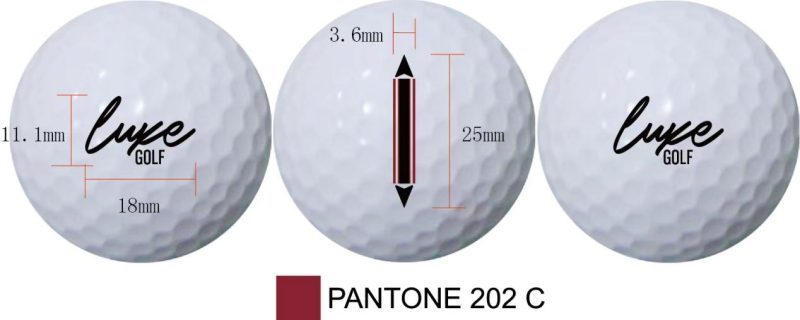
2.What is a standard golf ball design.

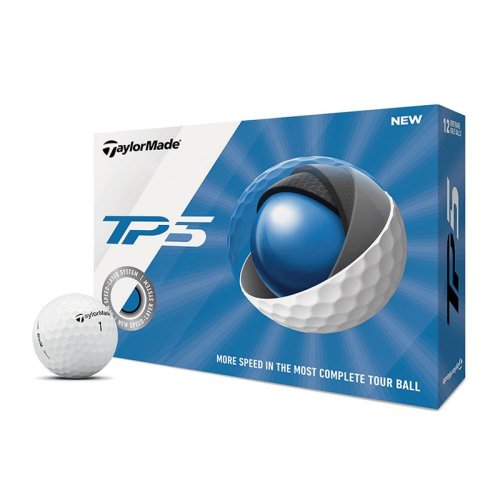
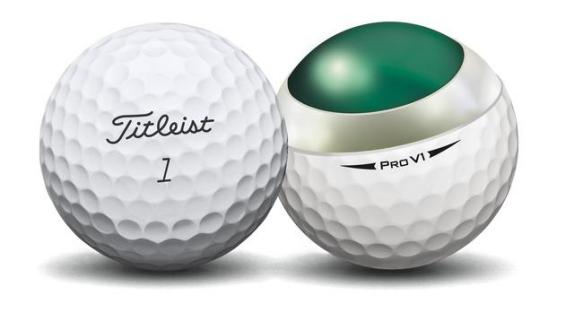
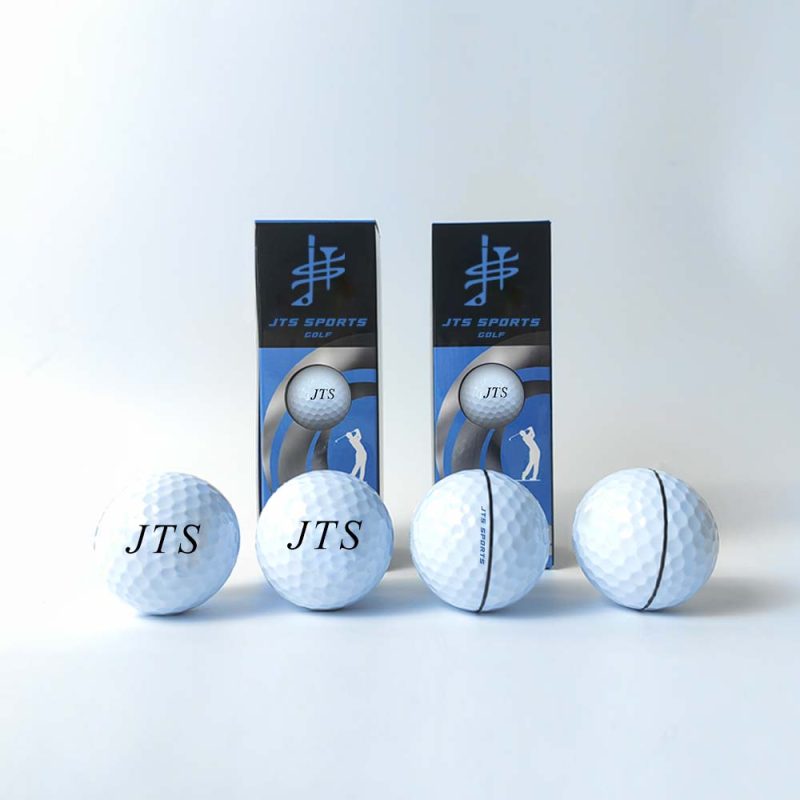
Normally golf ball has two sides logo and aim line between them. Such as prov1 and taylor made TP5.


And normally tournament ball has 1-4 numbers below your logo.

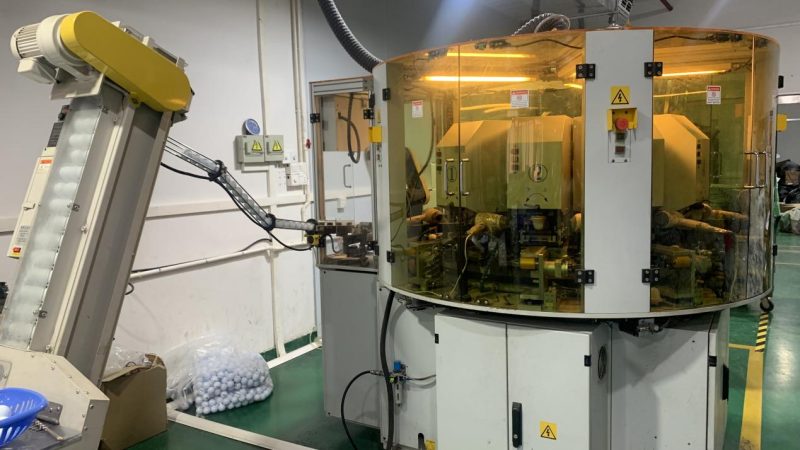
3.Auto-print Machine limitation.

There are only 6 places can put logo mold. So it means you can’t do much colors.

It’s better to make it within 6 colors on each or total design.

So that’s mean you can do two colors or three colors logo on each side and your aim line also can be two colors then total within 6 colors!

4.Creative hands from worker.

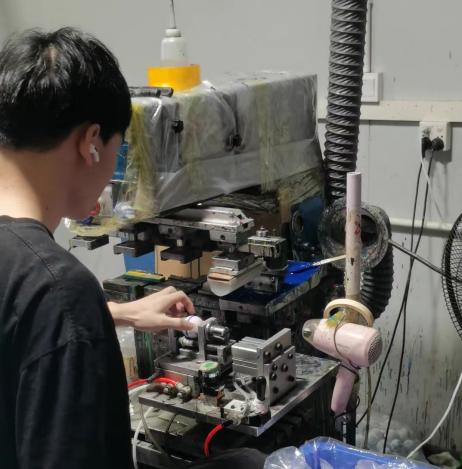
Besides auto-printer, we also have machine need worker to use their hands to adjust.

It’s a double sword, benefit is worker can do roll line around the ball.

But it do slower than auto-printer. We just use it when customer’s order quantity lower than 3000 pcs golf ball and do roll line design.

5.About new design

We now have new laser machine, which can do design like taylormade super stripes. It’s not only a new design but also functional.

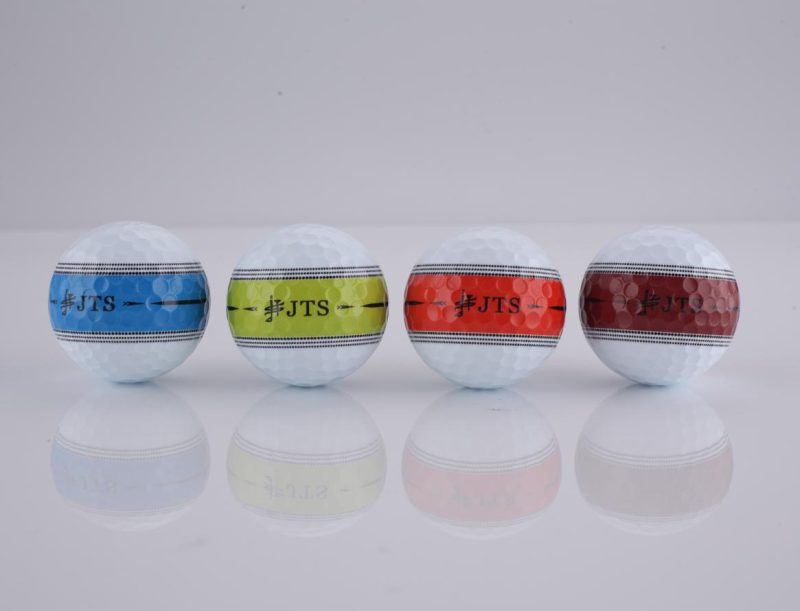
As taylormade say : 360° Clear Path Alignment™ was engineered with the golfer in mind. This next-gen visible technology of Tour Response Stripe™ wraps around the center of the golf ball to help you aim putts better, faster and more consistently, all while providing immediate feedback on the quality of your roll. A lime yellow finish offers enhanced visibility.

Laser bring more creative ability. It is high cost when we use conventional printer to do such design. May distort the stripes, since it’s hard to use hands to aim different line.

But when we control laser machine through computer. It is precisely can aim different line and design.

6.What is special craft about golf packaging.

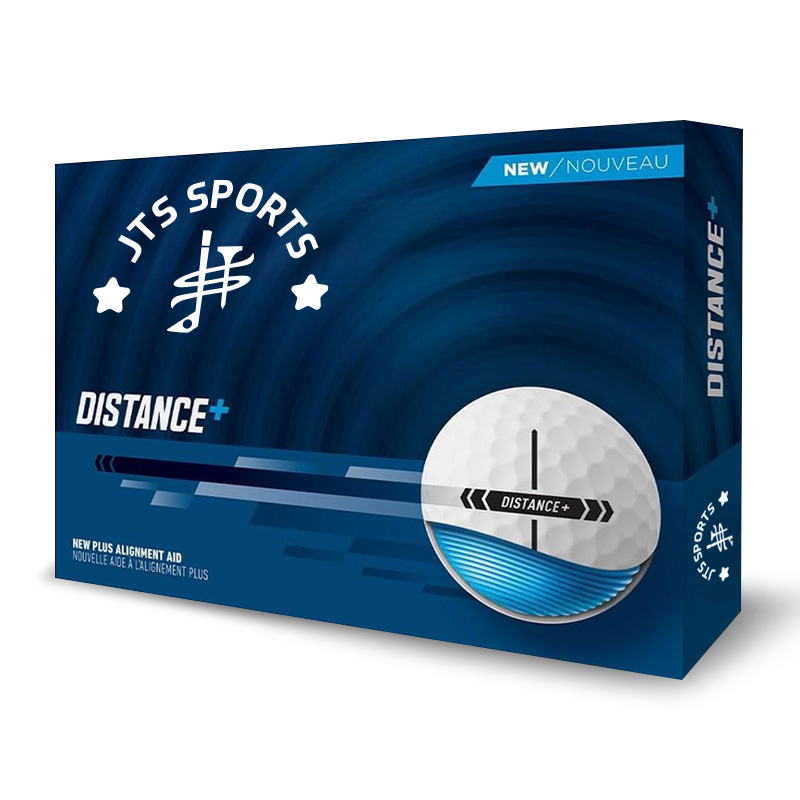
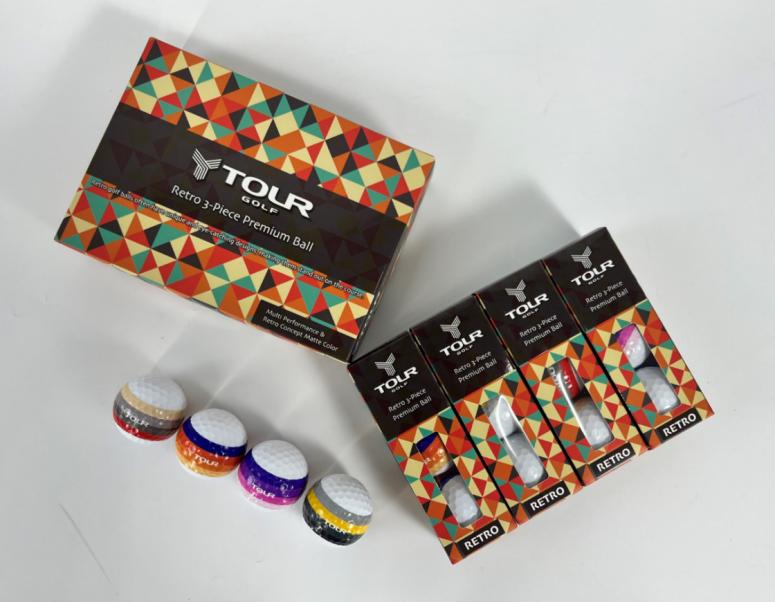
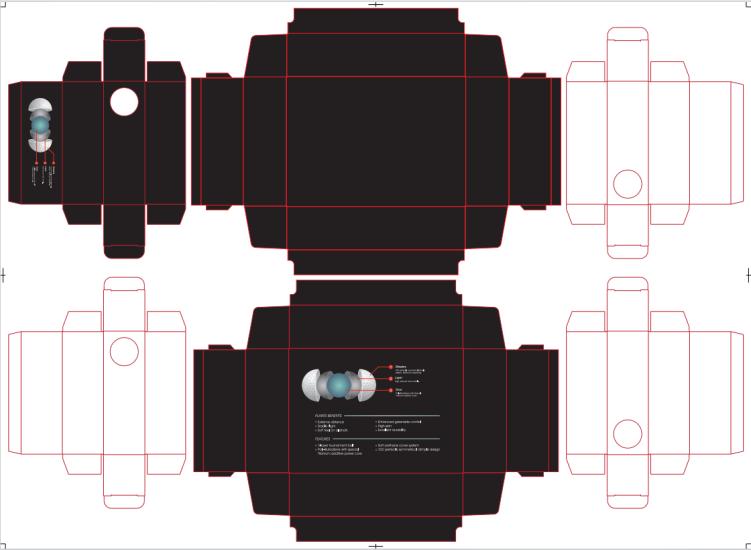
First of all, we do have multiple packaging. Such as classic golf box, gift box and cheaper options, which is plastic box and some customer may just need golf ball.

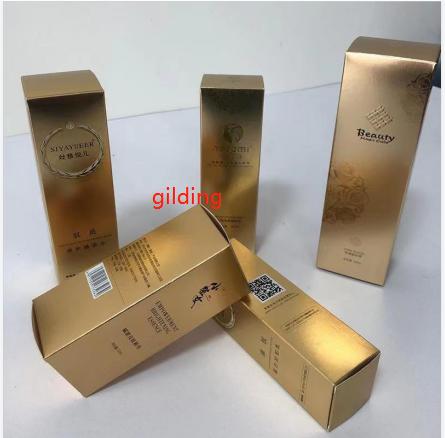
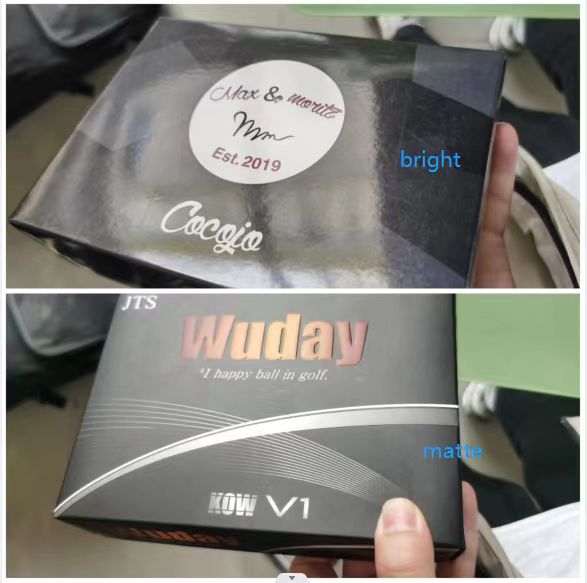
From the classic box to say, we can do matte or glossy finish on the surface of box. In the other hand, some customer may have new idea, i want matte box with bright font and pattern. Is that possible?

The answer is yes, we just need to use UV to brighten the font and pattern on matte box.

Except the uv craft, we also have laser surface, which can bring rainbow fantasy effect. In normal condition, the box will stay silver. But once you bring it to the outside where has sunshine, it will turn rainbow and shine.

I am sure you won’t left it and forget it on golf course, since it is too shiny.

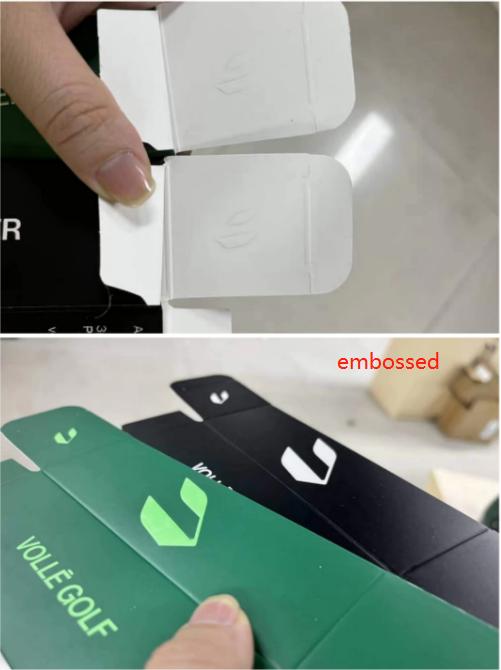
How to make the box more touchable and attractive?

We can embossed the font and pattern on golf box to make it more touchable and we can make the font be silver or golden. Even though it isn’t real golf or silver, but from the perspective of visual effects. They do can make your box more attractive and luxury.

7.Do the artwork by yourself or sending file to our designer.

If you are good at using Adobe illustrator, we can send your our golf ball and packaging template.

Just design it with your creative mind.

On the contrary, if you have poor design ability. Just send us your idea and logo.

We have professional design team who can design artwork perfectly according to your idea and combined our expertise.

8.Checking the finished design file and choosing matte or bright box.

We will need you to confirm everything before production to make sure it is perfect.

Such as logo and size, pantone color code, box finished way.

9.Taking sample.

There is a old saying. Sample always first.

This is way to double checking your products, which is the one you want.

By trying them on golf course to make sure you have confidence to sell them on your shop.

After everything is confirmed, we will send you a sample invoice.

We will need your phone number and address to make sure deliver guy can deliver the sample to your address.

We will start sample production after we received payment.

Sample production normally around 7-15 days.

In the process of sample making, we will keep in touch with you about process to make you feel you do it by yourself.

If you have passion to make a new start-up golf ball brand!

Sending email to our, we appreciate all your time and inquiry.

Team JTS will make it easy and workable!


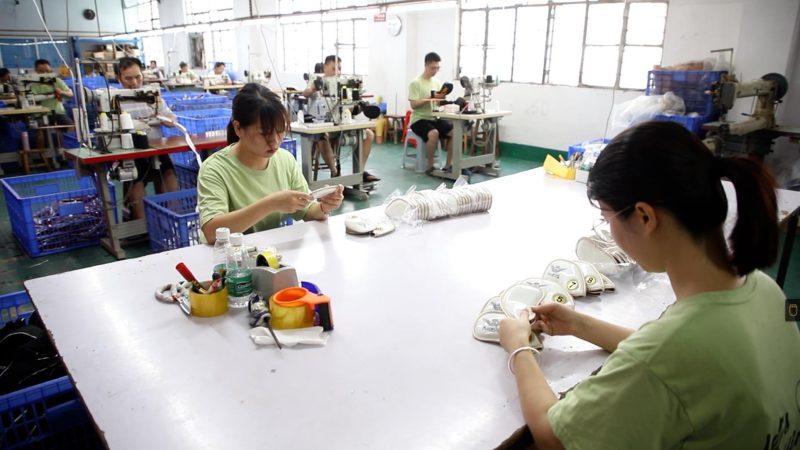
JTS is a big golf head cover manufacturer. We supply premium quality golf headcover. We can custom logo and shape for you. Today, we talked about the Manufacturing Process of Golf Club Covers.

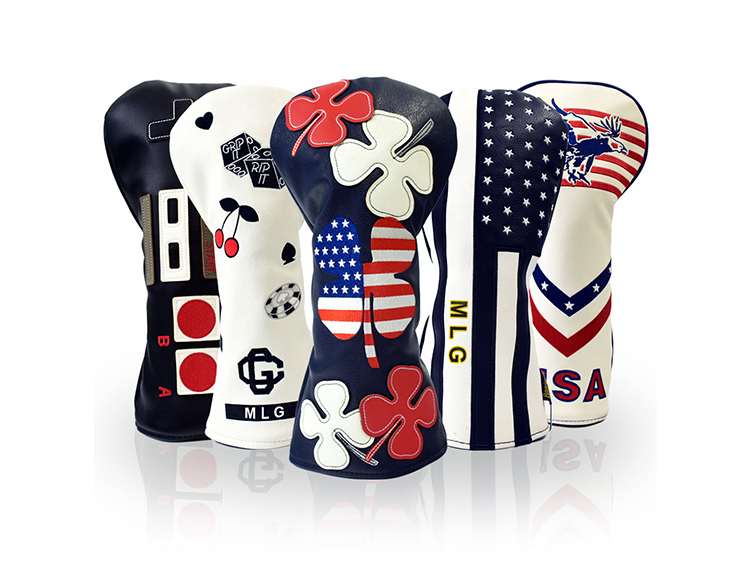
Golf isn’t only about how well you play, but also about showing your style and individuality. The headcover, which many people don’t pay much attention to, is really important for a golfer’s gear.

The right headcover

does two things: it keeps your clubs safe and shows off your style. It can start conversations and reveal a bit about who you are. This article explores eight unique golf headcovers, each offering distinct advantages and styles.

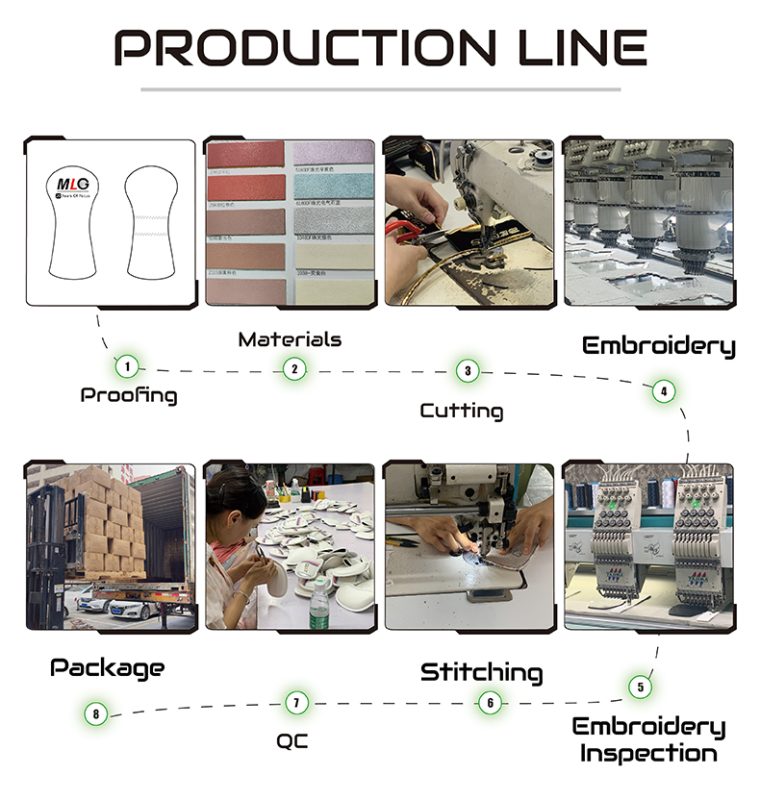
The production process of a golf club cover might seem straight forward, but it’s filled with precision and care to ensure top-notch quality and performance. Here’s a detailed look at each step involved in creating these protective sleeves:

1.Design and Planning:

With the material selected, designers embark on creating visually appealing and functional designs. This stage involves deciding on colors, patterns, logos, and any unique elements that make the headcover stand out. For custom designs, golfers may provide their specifications or preferences.

2.Material Selection:

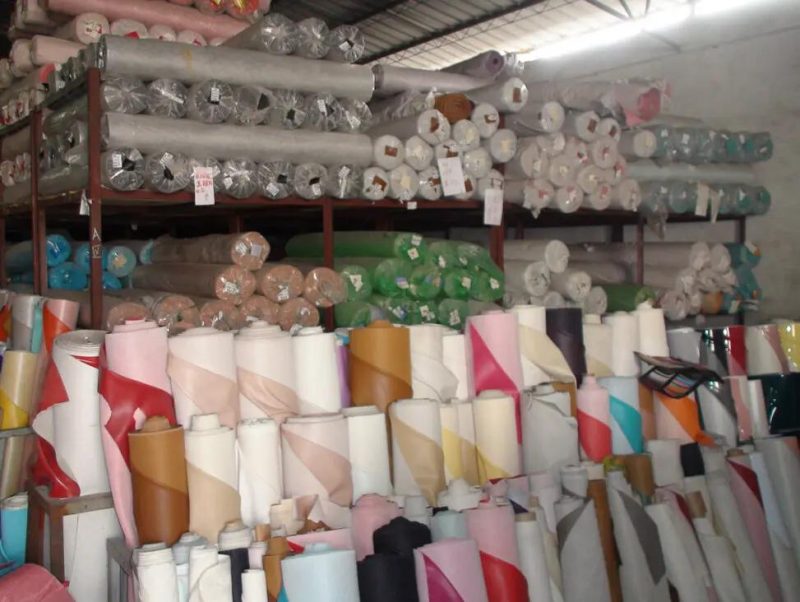
– The second step in making a golf headcover is choosing the right materials. These can range from high-quality leather and synthetic leather to soft fleece, durable microfiber, and even recycled materials for an eco-friendly touch. Each material has its characteristics that affect durability, appearance, and texture.

2.1. Leather

– Natural Leather: This classic material provides a luxurious appearance and feels soft to the touch. It can develop a unique patina over time but requires more maintenance compared to synthetic options.

– Synthetic Leather: Also known as faux leather or leatherette, it offers a leather-like look and feel at a lower cost with less maintenance.

2.2. Fabrics

– Microfiber: A synthetic fabric that is soft, durable, and easy to clean. It provides a smooth, modern look and is commonly used in sports apparel and accessories.

– Fleece: This soft, plush material is warm to the touch and provides excellent protection. It is often used for winter head covers or for adding an extra layer of padding.

– Mesh: Offering breathability and often combined with other materials for added texture or design elements.

2.3. Rubber or Silicone

– Rubber: Sometimes used for the bottom grip of the head cover to ensure it stays in place during play or travel.

– Silicone: Can be incorporated into grip areas or as decorative elements, providing a non-slip surface.

2.4. Fur or Faux Fur

– Fur: Real or synthetic fur can provide an elegant and cozy appearance. Faux fur is a popular vegan-friendly alternative that mimics the look and feel of real fur.

2.5. Neoprene

– Neoprene (Wetsuit material): Offers water resistance and cushioning, making it ideal for protecting clubs in various weather conditions.

2.6. Recycled Materials

– Recycled Plastics: Some eco-conscious brands use recycled plastics or other sustainable materials to create environmentally friendly head covers.

2.7. Cotton and Polyester

– Cotton: Provides a classic, lightweight feel and can be easily decorated with prints or logos.

– Polyester: Durable and easy to maintain, often used for simple solid color designs or complex patterns.

2.8. Velvet

– Velvet: A rich, luxurious material that can add a touch of elegance to golf head covers.

3.Pattern Making:

– Once the design is finalized, patterns are created to serve as blueprints for cutting the fabric. These patterns ensure that each piece of material is cut to the exact specifications needed for assembly.

4.Cutting:

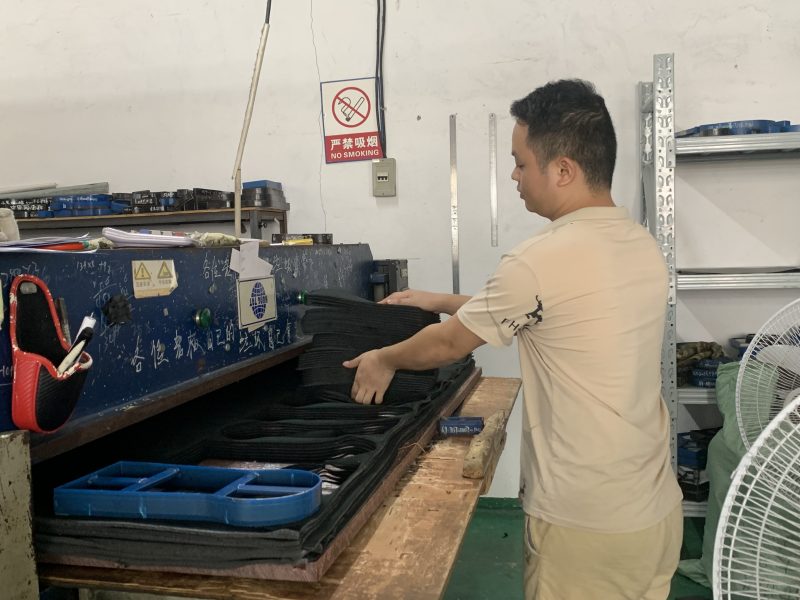
– Using the patterns, the chosen material is laid out and cut into pieces that will eventually be sewn together to form the club cover.

5.Sewing and Assembly:

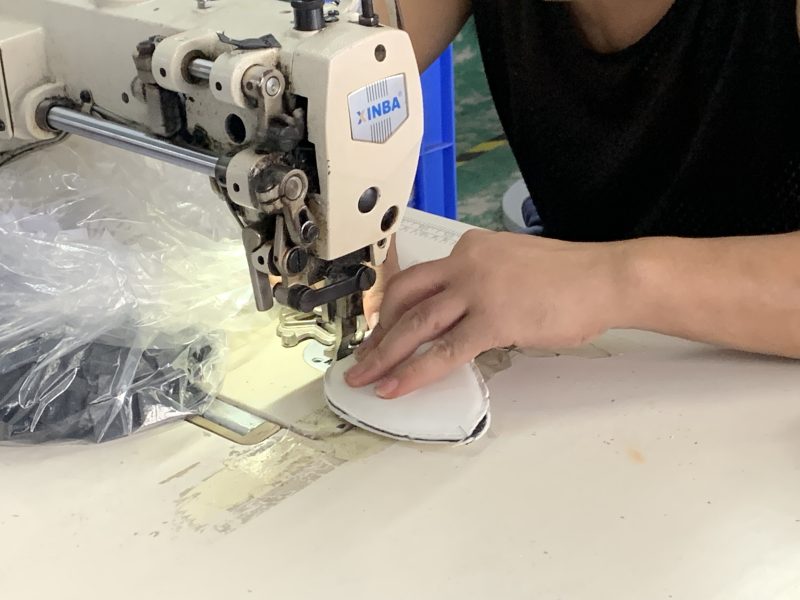
The cut pieces are then assembled, often involving stitching by hand or machine. Some headcovers may include additional features like zippers, Velcro strips, or magnetic closures for ease of use.

6.Finishing Touches

Once assembled, the headcovers may undergo additional treatments or finishing touches. This could include painting, adding protective coatings, or applying final details like buttons or piping.

7.Quality Control:

– Every club cover goes through a rigorous inspection process to identify any defects in workmanship or materials. Any issues found result in a return to the appropriate production step.

8.Packaging:

-The final step is packaging the headcovers securely for shipment to retailers or direct customers. Careful packaging helps prevent damage during transit.

Tips for Maintenance

To extend the life of your golf headcovers, follow these maintenance tips:

– Clean Regularly: Use a damp cloth and mild soap to wipe down your headcovers after use, removing dirt and grime.

– Avoid Sun Exposure: Keep your headcovers away from direct sunlight when not in use to prevent fading and material deterioration.

– Proper Storage: Store your headcovers in a cool, dry place, avoiding humidity which can lead to mold growth.

– Inspect Periodically: Regularly check for wear and tear, especially on seams and fastenings, and have them repaired promptly to avoid further damage.

By understanding the process behind making golf headcovers and following simple maintenance tips, you can enjoy these functional accessories for a longer time while also adding a personal touch to your golf gear.

Conclusion

In conclusion, JTS’s range of golf headcovers offers something for every golfer, blending style, functionality, and a touch of personal expression.

Incorporating one of these headcovers into your golf gear is a practical decision to safeguard your clubs and an opportunity to showcase your personality on the green.

As we’ve explored these diverse options, it’s clear that choosing the right headcover can elevate your golfing experience, adding both flair and function to every swing.

Remember, in golf, the details matter – and a great headcover is one of those details that truly counts.

The charm of golf, an elegant and challenging game, goes far beyond the player’s skill and results on the course. It is also a stage to show personal style and unique personality. Headgear, as part of the golfer’s equipment, is often overlooked by people, but in fact, it plays a vital role in shaping personal image and demonstrating personal style.

The head cover is not only a tool to protect the head from direct sunlight and wind and rain, but also an important part of the overall image of the player. The material, color, pattern and way of wearing it all reflect the player’s personal taste and style. For example, some players like to choose simple and classic solid color headsets, highlighting their low-key and restrained character; Others may opt for a colorful, unique pattern to show their bold and personal side.

In addition to the display of personal style, the headgear also carries the emotions and memories of the player. Some players choose to wear certain headgear on certain occasions to commemorate an important moment or person. These headsets not only have practical value, but also carry the emotional sustentation and memories of the players.

Therefore, it is very important for golfers to choose a suitable headgear. It can not only protect the head, improve comfort, but also show personality and style. On the court, a well-chosen headpiece can not only attract the eye of the audience, but also add a confidence and charm to the player.

In short, golf is not only a competition of skills and results, but also a stage to show personal style and personality. As an important part of the golfer’s equipment, the importance of the head cover cannot be ignored. Choosing a suitable head cover can not only enhance your personal image, but also allow players to show their style more confidently and calmly on the court.

The right head cover does two things: It keeps your club safe and it shows off your style. This article discusses how to customize your golf headgear. Exploring the World of Golf Head Covers: Types, Materials, Craftsmanship, and Functionality:

As a golfer, one of the most important yet often overlooked pieces of equipment in your bag is the golf head cover. Not only do they protect your prized clubs from scratches and dings, but they also add a touch of personal style to your game. Let’s dive into the fascinating world of golf head covers, examining their various types, materials, craftsmanship, and functionality.

Types of Golf Head Covers

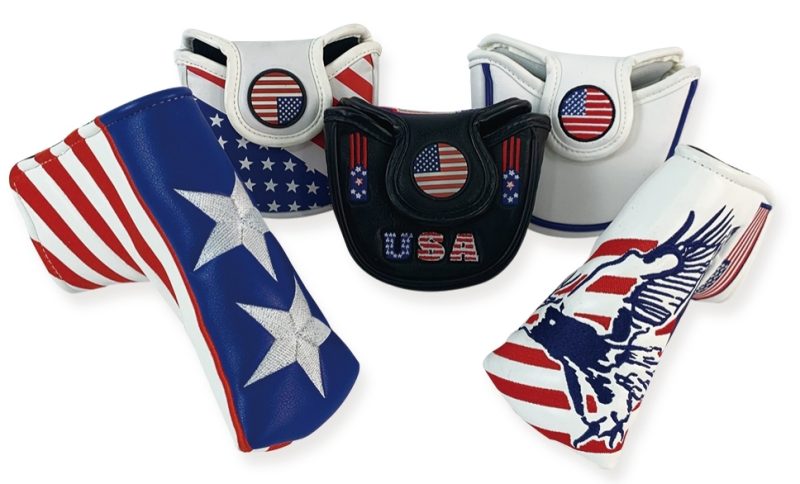
Golf head covers come in a wide variety of types, each designed to fit a specific type of club. The most common include:

1.Driver/ Fairway wood/Hybrid Head covers

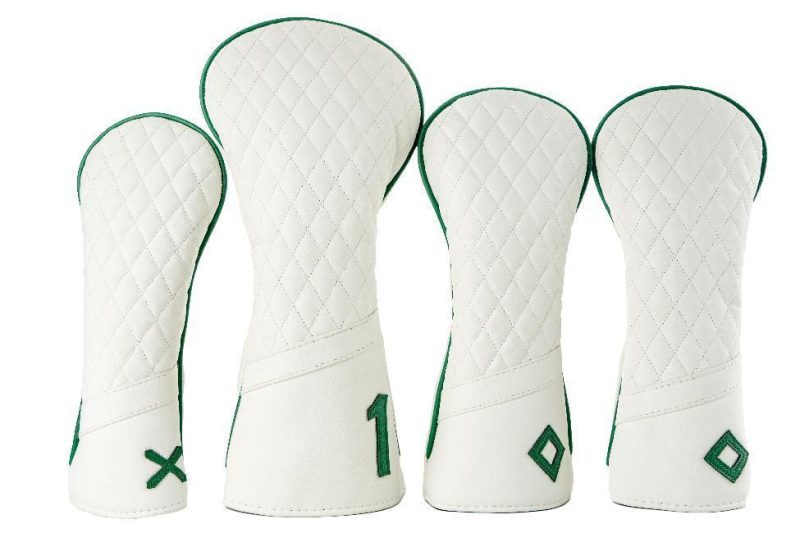
Wood head cover, as an important member of golf equipment, its importance is self-evident. Usually, these head covers are carefully designed according to the model and size of the cue to ensure a perfect match with the cue. Whether it is a Driver, a 3-wood, a 5-wood or a Hybrid, each club has its own unique size and shape, so the accompanying wood head cover must also accurately meet these needs.

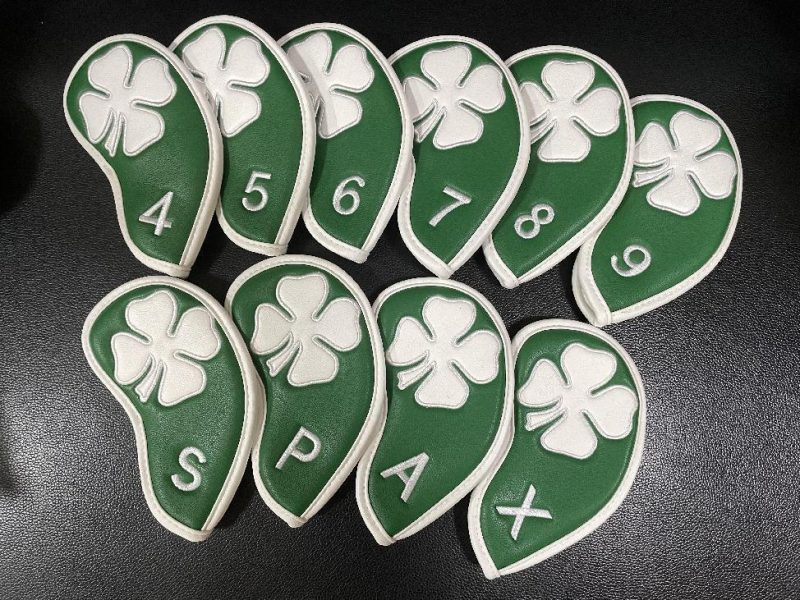
2.Iron Head covers

These covers are designed to fit the shorter, narrower profile of irons. They often have a streamlined design that complements the shape of the clubs.

(1)Iron head cover: 4/ 5/ 6/ 7/ 8/ 9;

(2)Wedge head cover: P-PW-Pitching Wedge/ A-AW-Approaching Wedge/ S-SW-Sand Wedge/ L-LW-Lob Wedge.

3.Putter Head covers

We have Mallet putter head covers and Blade putter head covers.

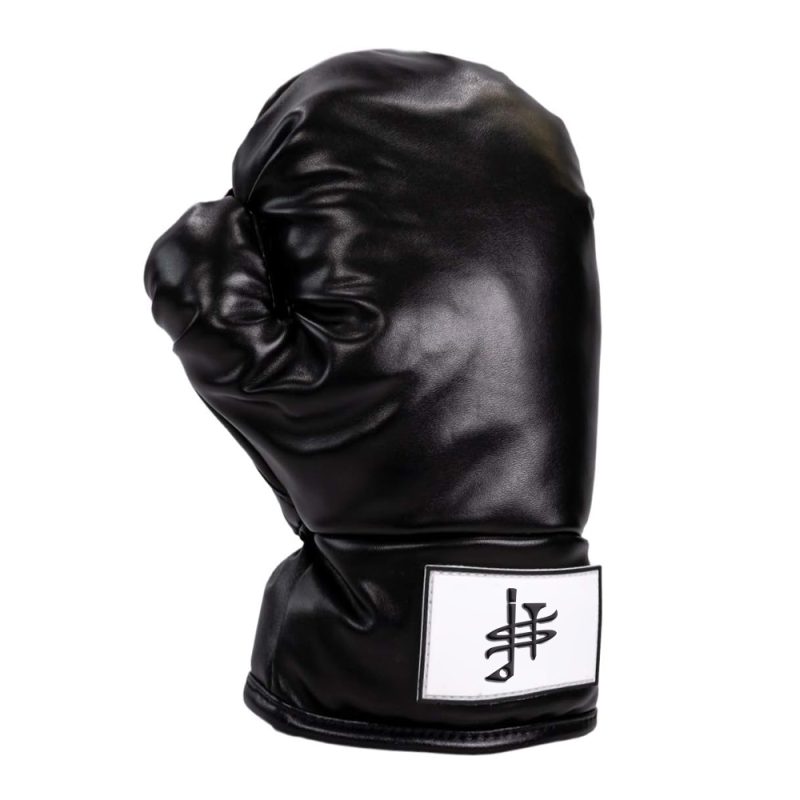
4.Other types of Head covers

Golf alignment stick head cover/ Animal head cover/ Barrel shape head cover and Boxing glove shape head cover and so on.

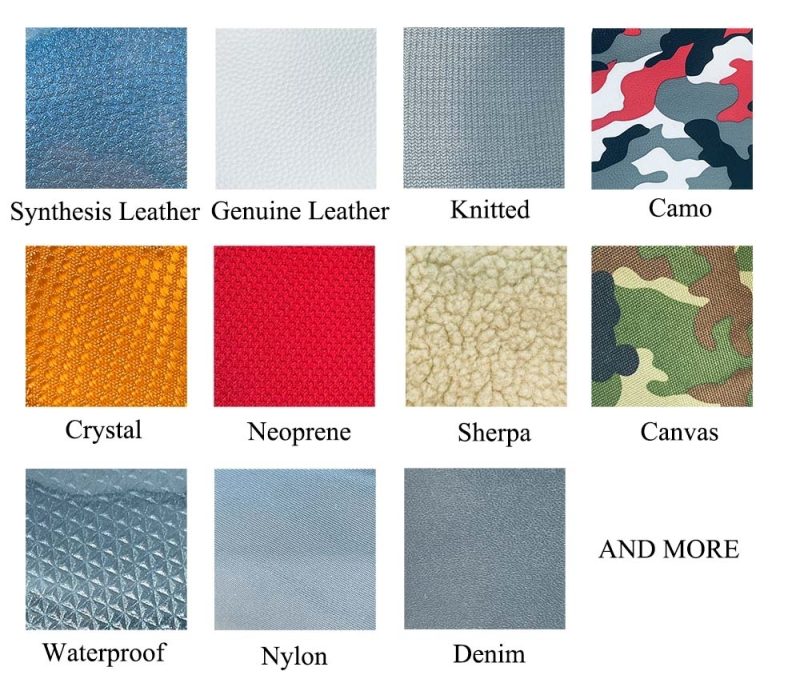
Materials Used

The choice of material for golf he covers is crucial in determining their durability, weight, and appearance. Common materials include:

  1. PU Leather(Syntheticleather)** — PU Leather covers offer a luxurious look and feel, PU leather is the most commonly used material.
  2. Leather— We can also do Leather covers, it has an advanced texture. It can show your extraordinary taste.
  3. Neoprene— This material is known for its excellent shock absorption and durability. Neoprene covers often provide excellent protection for drivers and woods.
  4. Sherpa — Sherpa material is relatively lightweight, made of headcovers are also more lightweight and easy to carry. This makes it easier for golfers to carry their clubs with less burden and improve the convenience of traveling.
  5. Canvas — Canvas covers are sturdy and often feature reinforced stitching for added durability. They are a popular choice for golfers who prefer a more traditional aesthetic.

Craft

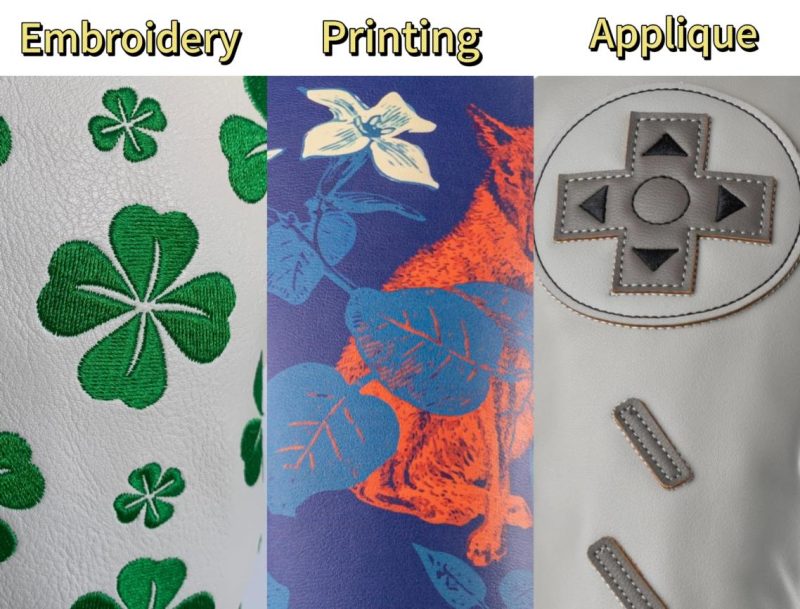
The craft of head covers, we usually do embroidery, printing and applique. Here are a few key factors to consider:

  1. Embroidery
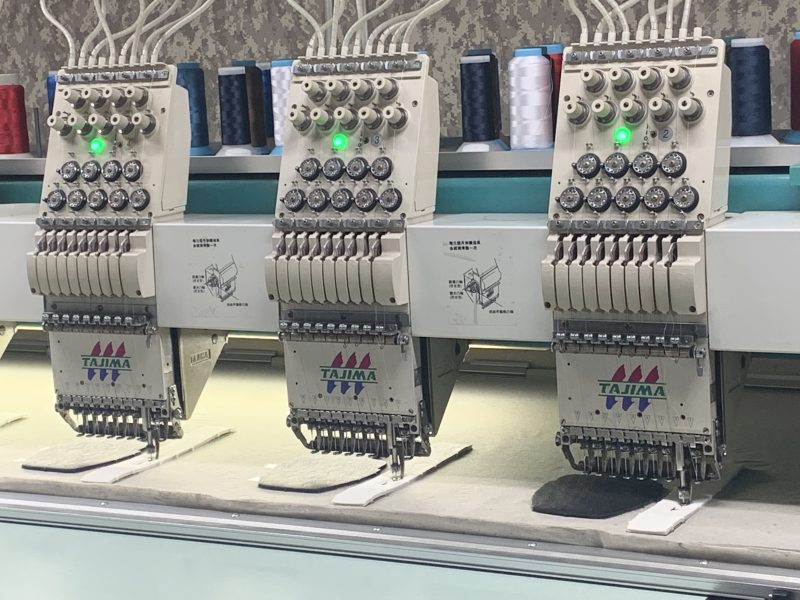
  • High texture and three-dimensionality**: the embroidered logo forms a pattern on the fabric through threads and threads intertwined, which has a remarkable three-dimensionality and texture, giving a high-quality feeling.

(2) Strong durability**: The embroidery pattern is durable and not easy to fade, even after many washes and long time use, it can keep the clarity and vividness of the pattern.

(3) Highly specialized**: The embroidery process requires professional techniques and equipment to complete, so embroidered logos often give a professional and sophisticated impression.

(4) Significant brand promotion effect**: Embroidery logo can effectively enhance the brand image and quality, through the fine embroidery process to show the unique charm of the brand, so as to enhance the consumer’s awareness of the brand and loyalty.

(5) Personalized customization**: Embroidered logos support highly personalized customization, can be designed according to the customer’s needs and preferences to design a unique pattern and color scheme to meet the customer’s personalized needs.

  1. Printing

(1) Lower cost: Compared with embroidered logos, the production cost of printed logos is relatively low, especially suitable for mass production.

(2) Fast production speed: Printing technology is usually able to complete the printing of the pattern in a shorter period of time, improving production efficiency.

(3)High precision of pattern reproduction: Printing technology can accurately reproduce complex patterns and details, including color gradients and fine lines, making the logo pattern more fine and realistic.

(4) **Wide range of applicability: printing logos is applicable to a wide range of materials and surfaces, such as paper, fabric, plastic, etc., and has wide applicability.

(5) Vivid color: Printing technology can use a variety of colors of ink to print the pattern, making the logo colorful and rich and diverse.

  1. Appilque

(1) Easy to personalize: patch embroidery logo can be personalized and customized according to customer needs to achieve unique patterns and color schemes.

(2) Simple process: the process of patchwork embroidery is relatively simple, and the embroidered piece can be fixed on the fabric by cutting and pasting, reducing the complexity and difficulty of the embroidery process.

(3) better durability: patch embroidery logo can have better durability after special treatment, not easy to fall off or wear.

(4)Stronger flexibility: Patch embroidery logo can adapt to the needs of different shapes and sizes of patterns, and complex pattern effects can be realized through cutting and splicing.

(5) Unique visual effect: Patch embroidery logo can produce unique visual effect through the combination of different materials and colors of embroidered pieces, increasing the attractiveness and recognition of the product.

Conclusion

In essence, our collection of golf head covers offers something unique to every golfer, blending style, functionality, and personal expression. Incorporating a head cover into your golfing arsenal is a pragmatic decision that not only safeguards your clubs but also showcases your personality on the green. As we delve into these diverse options, it becomes evident that selecting the right head cover can elevate your golfing experience, imbuing every swing with added finesse and practicality. Bear in mind, in the game of golf, details matter – and a well-chosen head cover stands as one of those truly significant nuances.

Golf head covers are an essential part of any golfer’s equipment. By choosing head covers that are well-crafted, made from durable materials, and suited to your personal style, you can ensure that your clubs stay protected and ready for action. Whether you’re looking for a basic, mass-produced cover or a custom-made, handcrafted design, there’s a head cover out there that’s perfect for you.

The Science Behind Golf Ball Dimples: Why Do Golf Balls Have Dimples?

Introduction

If you’ve ever looked closely at a golf ball, you’ve probably noticed its surface is covered in hundreds of tiny dimples. These dimples aren’t just for aesthetics—they play a crucial role in how the ball performs in flight. In fact, without dimples, a golf ball would travel only about half as far as a dimpled one!

But how do these small indentations affect aerodynamics, distance, and control? In this blog post, we’ll dive deep into the science behind golf ball dimples, their history, and how modern manufacturers optimize them for peak performance.

In this blog post, we’ll dive deep into:

✔ The aerodynamics of dimples – How they reduce drag and increase lift

✔ The history of dimpled golf balls – From accidental discovery to advanced engineering

✔ The science behind dimple design – Shape, depth, and pattern variations

✔ Real-world performance impact – How dimples affect distance and control

✔ Fun facts and myths – Debunking common misconceptions


By the end, you’ll never look at a golf ball the same way again!


  1. The Aerodynamics of Golf Ball Dimples

How Dimples Reduce Drag

When a golf ball is struck, it flies through the air, encountering two main types of drag:

1.Skin Friction Drag – Caused by air molecules rubbing against the ball’s surface.

2.Pressure Drag (Form Drag)– Created by the difference in air pressure between the front and back of the ball.

A smooth golf ball would create a large, turbulent wake behind it, increasing pressure drag and slowing it down. Dimples disrupt this airflow, allowing the air to cling to the ball’s surface longer (a phenomenon called “boundary layer separation delay”). This reduces the size of the low-pressure wake, minimizing drag and allowing the ball to fly farther.

How Dimples Generate Lift

Dimples also help generate lift, similar to how an airplane wing works. As the ball spins (due to backspin from the clubface), the dimples create turbulence that interacts with the air. This produces:

– Higher airspeed on top of the ball(lower pressure).

– Lower airspeed underneath the ball (higher pressure).

The pressure difference results in lift, keeping the ball airborne longer and maximizing carry distance.

  1. The Impact of Dimples on Distance & Performance

Smooth vs. Dimpled Golf Balls: A Huge Difference

– A smooth golf ball might travel only 130-150 yards with a driver.

– A dimpled golf ball can fly 250-300+ yards under the same conditions.

This massive difference is why all modern golf balls have dimples—they are essential for distance and stability.

How Many Dimples Does a Golf Ball Have?

Most golf balls have between 300 and 500 dimples, but the exact number varies by brand and model.

Dimple Shape & Depth Matter Too

– Shallow dimples → Lower trajectory, more roll.

– Deep dimples → Higher flight, more carry.

– Hexagonal/other shapes → Some brands (like Callaway) use non-circular dimples for optimized aerodynamics.

  1. The Evolution of Golf Ball Dimples

Early Golf Balls: From Smooth to Hand-Hammered

– Featherie (Pre-1800s): Leather stuffed with feathers—smooth surface, short distance.

– Gutty (1848): Made from rubber-like sap, players noticed nicks and scratches improved flight.

– Hand-Hammered Balls (Late 1800s)**: Manufacturers intentionally added dimples by hand.

Modern Dimple Technology

Today, golf ball dimples are computer-designed and wind-tunnel tested for maximum efficiency. Brands experiment with:

– Multi-layer dimple patterns (e.g., TaylorMade’s “Speed Dimple” tech).

– Variable depth dimples for better wind resistance.

– Micro-dimples on some premium balls for reduced drag.

  1. Other Factors Affecting Dimple Performance

Spin & Control

– More dimples → More spin (useful for short-game control).

– Fewer dimples → Less spin (better for distance off the tee).

Weather Conditions

– Windy conditions: Deeper dimples help stabilize flight.

– Rain: Dimples help shed water, preventing excess drag.

  1. Fun Facts & Myths About Golf Ball Dimples

✅ Fact: The first patent for dimpled golf balls was filed in 1905.

✅ Fact: In 1977, the “Polara” ball had asymmetrical dimples to reduce slices—but it was banned by the USGA.

❌ Myth: More dimples always mean more distance (optimization matters more than sheer quantity).

Conclusion: Why Dimples Are a Game-Changer

Golf ball dimples are a perfect example of how physics and engineering enhance sports performance. Without them, golf would be a completely different game—drives would be shorter, approach shots less precise, and overall play far less dynamic.

Next time you tee up, take a closer look at your golf ball’s dimples—they’re the secret behind every long drive and soaring iron shot!

Selecting the proper golf ball can significantly affect a player’s performance. In 2025, golf balls reached new heights, with longer flight distances, improved feel upon impact, and options that fit almost every budget. At JTS Sports, we’ve reviewed the best golf balls available to wholesale and retail adults and juniors of all skill levels. Let’s examine the details closely.
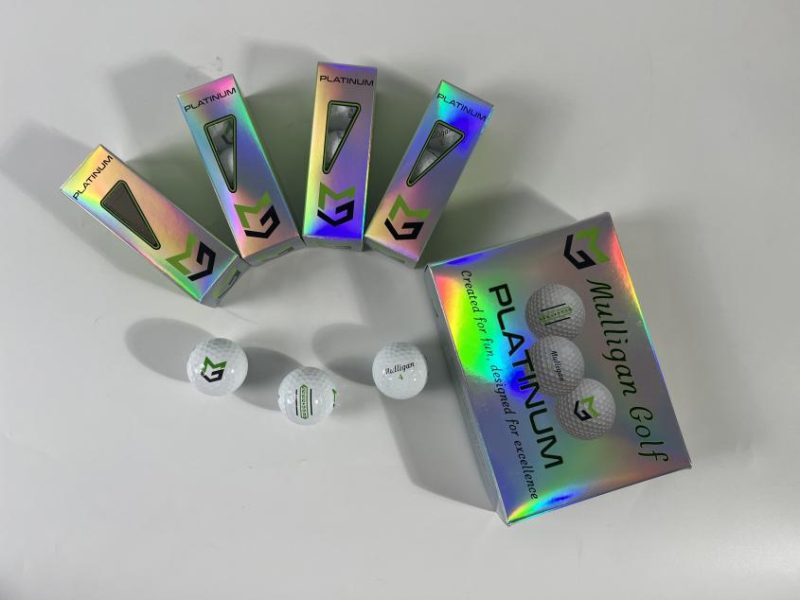
What is the best golf ball in 2025?

The manufacturing company JTS Sports serves the market with customized golf balls designed for distinct performance requirements. The analysis focuses on golf ball materials alongside their layer distributions and functional attributes instead of traditional market-based product comparisons. The golf ball engineering industry of 2025 aims to develop three critical aspects including core compression mechanics alongside cover materials and spinning properties which adapt to various playing techniques. Knowledge about golf ball construction lets retailers and suppliers provide their customers with ideal choices according to their specific playing needs.

Top Golf Balls for Flight Distance in 2025

For players looking for maximum distance, multi-layered golf balls with high-compression cores and hard urethane covers are best. These models minimize spin, producing longer and more consistent ball flights. JTS Sports is great at making customized golf balls that are designed for different swing speeds, allowing players to achieve their best performance. By optimizing core compression and cover material, we give each golfer the best combination of distance and control depending on their style of play and club speed.

Best Golf Balls for Feel at Impact in 2025

Golfers who want the best feel and control experience should use golf balls equipped with a soft urethane cover and mid-compression core technology. These materials enable better greenside spin together with a snug contact impact and greater stopping power on the putting surface. When a golf ball has a soft core it produces smooth controlled flight paths which makes precise control of approach shots plus short distances simpler to achieve. JTS Sports produces personalized golf balls engineered to provide both optimal control and softness which delivers a suitable play experience for both recreational and professional athletes. Golf balls that match players’ needs allow for hazard avoidance and precise chip shots to raise a player’s confidence and precision on the golf course.

Affordable Golf Balls for Every Budget in 2025

Golfers who want to save money can acquire top-notch performing equipment without overspending. JTS Sports provides customized golf balls to customers who wish to access pricing without losing quality performance capabilities. The golf balls from JTS Sports have ionomer covers that resist wear while their low-compression cores enhance distance and control benefits which suit beginner and price-conscious players. Customers can choose from our selection of personalized balls at competitive rates to suit their playing needs from casual games to training sessions. JTS Sports applies engineering precision to premium materials for developing performance-oriented golf balls at competitive prices which enhance player development but stay within price ranges.

How to Choose the Right Golf Ball for Your Customers

Retailers or wholesalers must ensure the ball reaches the right player. Here’s how you can do that:

Inquire About Swing Speed: Fast swingers require high-compression balls, while lower-compression options will fit slower swings.

Consider Your Skill Level: If you’re a beginner, look for inexpensive and more forgiving balls. Advanced players might consider a premium option like the Titleist Pro V1.
Read Their Account: Not everyone is balling out. JTS Sports develops golf balls that match different skill levels and budget requirements which enables retailers and wholesalers to serve all types of golfers.

The right ball can make all the difference, and with a few simple questions, you can help your customers choose the perfect ball for their game.
Trends in the Golf Ball Market for 2025

Because the golf ball store is constantly evolving, here are some trends to watch for in 2025:

Sustainable Golf Balls: More brands are creating golf balls with sustainable materials, which are fantastic for eco-friendly gamers.

Bright Golf Balls: Some balls have sensors to track your performance. It’s brilliant for techy golfers.

Personalization: Players love balls with their initials or logos. Such an option can make your store stand out.

You can increase your customers and sales by keeping up with these trends in your business.

FAQ’s

What is the best golf ball for distance?

For reaching maximum distances with straight shots, use multi-layered high-compression golf balls that have a firm urethane cover.

Which ball feels the best at impact?

Golfers who value feel and control should use urethane-covered softballs that have mid-compression cores.

What Makes for a Good Beginner Golf Ball?

Beginners will find ionomer-covered durable low-compression golf balls to be an ideal choice because they provide affordability along with forgiveness.

Conclusion

Golf balls will be better than they ever have been in 2025. With the best golf balls 2025 in the bag, you can help golfers of all abilities shoot lower scores. We’ve tested the best balls at JTS Sports to simplify the shopping process. JTS Sports designs customized golf balls that adapt to the specific needs of beginners through professional golfers. Advanced materials and customized layering systems from our company deliver optimal performance to golfers. Purchase our golf balls now to fulfill the increasing market need for premium customized golf balls during 2025.

1.What is spin means in golf?

In golf, the spin of a ball refers to the rotation it has while in flight, which can be influenced by factors such as club head speed, club face angle, and the type of ball used. High spin and low spin balls have different characteristics:

High Spin Ball:

A high spin ball tends to have more backspin, which can cause it to stop or even back up slightly after landing, making it ideal for short approach shots and green side chip shots.

The extra spin can also help golfers control the ball’s trajectory and landing spot, especially for skilled players with a fast swing speed.

However, too much spin can lead to a loss of distance, as the ball doesn’t travel through the air as efficiently.

Low Spin Ball:

A low spin ball has less backspin, which can result in a longer carry distance and reduced sidespin, making it more suitable for long drives.

The reduced spin can help golfers with slower swing speeds achieve more distance, as the ball doesn’t lose as much energy due to aerodynamic drag.

Low spin balls can be less forgiving on off-center hits, as they tend to have less control in the air and on landing.

How to choose?

Golfers often choose ball types based on their swing characteristics, playing conditions, and personal preferences. Professional golfers might opt for a ball that generates more spin for better control around the greens, while amateur golfers might prefer a low spin ball for added distance.


2.The examples

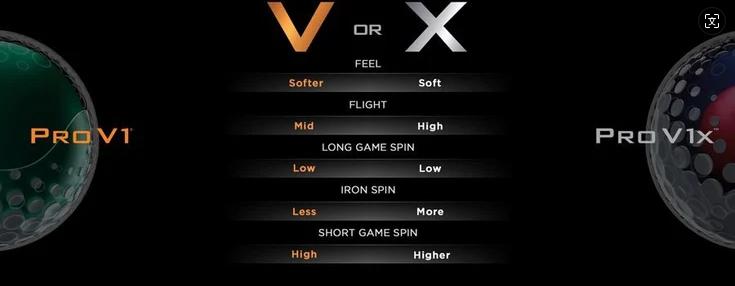
Titleist Pro V1 and Pro V1x golf balls have distinct spin rate characteristics. The Pro V1x is designed to produce a lower spin rate off the tee, which can result in a straighter ball flight with less dispersion. However, it can have a higher spin rate on approach shots and around the greens, approximately 4.3% to 4.6% more than the Pro V1. The Pro V1, on the other hand, is known for its balanced spin profile, with a medium-high trajectory, lower spin on long shots, and higher spin on short shots, providing a softer feel. These differences cater to the preferences of different golfers, with Pro V1x being more suitable for those seeking lower overall spin and Pro V1 for those who value a more spin-friendly ball.

3.How to find a similar balls at JTS

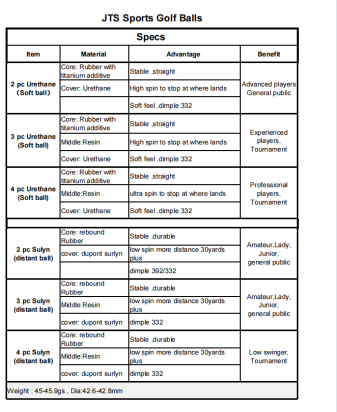
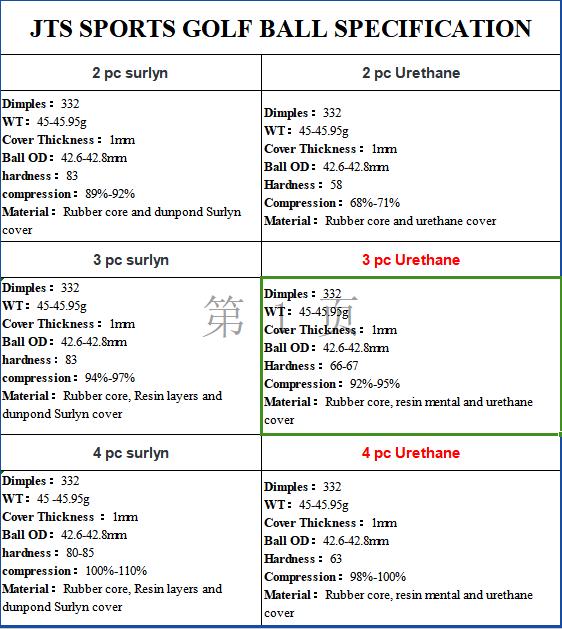
Before choose the right ball from JTS sports, You must know our ball specifications.

As you can see the specification form, the 4 piece urethane compression is higher than 3 piece urethane, which means 4 piece urethane is harder and less spin than 3 piece urethane.

But first you should know how compression affects the game.

4.The compression

Golf ball compression is a measure of how much a ball deforms under pressure, specifically during impact with a golf club. It is rated on a scale from 1 (lowest compression) to 100 (highest compression). The compression rating affects several factors, including:

Distance: Lower compression balls tend to compress more at impact, especially for golfers with slower swing speeds. This additional compression can lead to better energy transfer, resulting in more distance.

Feel: Higher compression balls generally provide a harder, more solid feel at impact, which some golfers prefer, especially those with faster swing speeds.

Control: Higher compression balls can offer more control around the greens due to their reduced deformation, which can lead to a more consistent spin rate.

Spin: Lower compression balls can generate more spin, which can be beneficial for golfers who want more control over their shots, especially on short irons and wedges.

Softness: Lower compression balls are often considered softer and can provide a better feel for golfers with slower swing speeds or those who prefer a softer touch.

Golfers typically choose a ball with a compression that suits their swing speed and playing style. Faster swingers often opt for higher compression balls, while slower swingers or those seeking more distance might prefer lower compression options. It’s essential to note that compression is just one aspect to consider when selecting a golf ball, as other factors like ball construction, cover materials, and dimple patterns also play a significant role in performance

5.How to choose your dream golf ball?

The best golf ball may not suit for every golfer, compared with 3 piece urethane ball. 4 piece urethane has better performance, definitely a more solid ball. But higher performance will lead the cost to a higher level.

For most of golfers to say, golf just a sports when they can enjoy their weekend but for make a living.

And for some beginners, they may miss many shot when they swing. So range ball or 2 piece surlyn ball more suit for them. As you know the soft urethane isn’t suit for practice as the cover wouldn’t durable as surlyn hard ball.