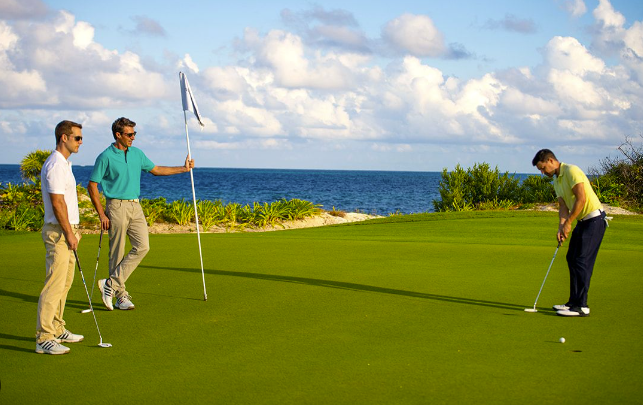
Golf is often seen as a leisurely sport, enjoyed by those who appreciate its strategic challenges and the beauty of well-manicured courses. But beyond the physical exercise and social aspects, golf offers profound benefits for mental health—many of which go unnoticed. In a world where stress, anxiety, and burnout are increasingly common, golf can serve as a powerful tool for mental well-being. Here’s how.

1. Golf Encourages Mindfulness and Presence

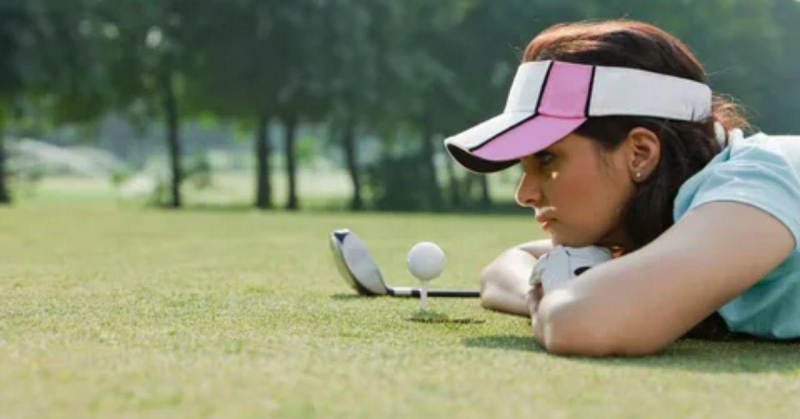
Unlike fast-paced sports, golf requires patience, focus, and deliberate movement. Each swing demands full attention—assessing the wind, the slope of the green, and the club selection. This level of concentration naturally fosters mindfulness, pulling players away from distractions and into the present moment.

Studies have shown that mindfulness reduces stress and improves emotional regulation. When you’re on the course, the repetitive nature of swinging, walking, and strategizing creates a meditative rhythm, allowing your mind to reset.

2. It Provides a Digital Detox

In today’s hyper-connected world, constant notifications and screen time contribute to mental fatigue. Golf offers a rare escape—most courses discourage phone use, encouraging players to disconnect and immerse themselves in the game.

The absence of digital distractions allows the brain to relax, reducing cortisol levels (the stress hormone) and promoting a sense of calm. Many golfers report feeling mentally refreshed after a round, as if they’ve had a mini-vacation from daily pressures.

3. The Outdoors Boosts Mood and Reduces Anxiety

Spending time in nature has well-documented mental health benefits. Exposure to sunlight increases serotonin (the “happy hormone”), while fresh air and greenery lower stress levels. Golf courses, with their sprawling landscapes, provide the perfect setting for this natural therapy.

Research from the University of Exeter found that people who spend at least two hours a week in nature report significantly higher well-being. Golfers easily surpass this, often spending four or more hours outside per round, making it an excellent mood booster.

4. Golf Teaches Resilience and Emotional Control

Few sports test mental fortitude like golf. A single bad shot can derail a player’s confidence, while a great shot can bring instant euphoria. Learning to manage these emotional highs and lows builds resilience—a skill that translates to everyday life.

Golfers must practice patience, self-compassion, and adaptability. Instead of dwelling on mistakes, they learn to reset and focus on the next shot. This mindset helps in managing stress, setbacks, and frustrations off the course as well.

5. Social Connection Fights Loneliness

Loneliness and social isolation are linked to depression and cognitive decline. Golf, by nature, is a social game—whether playing with friends, family, or meeting new people in tournaments. The camaraderie and light-hearted conversations during a round provide meaningful social interaction.

For many, golf serves as a weekly ritual where friendships are strengthened, and new connections are made. This sense of community is vital for mental health, offering emotional support and reducing feelings of isolation.

6. The Physical Exercise Releases Endorphins

While golf isn’t as intense as running or weightlifting, it still provides moderate exercise. Walking an 18-hole course can cover 5-7 miles, burning calories and releasing endorphins—natural mood enhancers.

Even if using a cart, the swinging motion engages core muscles, improves balance, and increases blood flow. Regular physical activity is proven to reduce symptoms of anxiety and depression, making golf a gentle yet effective way to stay active.

7. Goal-Setting and Achievement Build Confidence

Golf is a game of incremental progress. Whether it’s lowering your handicap, mastering a difficult shot, or simply playing a consistent round, small victories provide a sense of accomplishment.

Setting and achieving goals—no matter how small—boosts self-esteem and motivation. This positive reinforcement can spill over into other areas of life, encouraging a growth mindset and perseverance.

8. The Rhythm of Golf Reduces Mental Clutter

The structure of a golf game—tee box, fairway, green, repeat—creates a predictable, soothing rhythm. Unlike chaotic team sports, golf allows for quiet reflection between shots. This pacing helps declutter the mind, offering mental space to process thoughts and emotions.

Many golfers describe the experience as therapeutic, almost like a moving meditation. The combination of physical activity, fresh air, and mental engagement creates a unique form of stress relief.

Conclusion: Golf as Mental Wellness Therapy

Golf is more than just a sport—it’s a mental health tool disguised as a pastime. From fostering mindfulness to combating loneliness, its benefits extend far beyond the scorecard. In a world where mental health struggles are on the rise, golf offers a peaceful, engaging, and socially enriching escape.

So the next time you’re on the course, remember: you’re not just playing a game. You’re giving your mind a much-needed break, building resilience, and nurturing your well-being—one swing at a time.

Now, grab your clubs and tee off—for your brain’s sake.


Golf, often hailed as a sport of elegance and precision, has captured the hearts of millions around the globe. Whether you’re a seasoned pro or a novice taking your first swing, the allure of the golf course is undeniable. In this blog post, we’ll delve deep into the world of golf, exploring its rich history, basic rules, essential tips, and must-have equipment, all while highlighting how our factory can enhance your golfing experience.

The Timeless History of Golf

The origins of golf can be traced back centuries, with its roots firmly planted in Scotland. Legend has it that shepherds in the 15th century would pass the time by hitting pebbles into rabbit holes with their staffs. Over time, this simple pastime evolved into the structured sport we know today. In 1457, the Scottish Parliament even banned golf, as it was seen as a distraction from archery practice, which was crucial for national defense. However, the sport’s popularity continued to grow, and by the 18th century, the first set of standardized rules was established at the Honourable Company of Edinburgh Golfers. The modern game of golf truly began to take shape with the invention of the gutta-percha ball in the 1840s, which replaced the expensive and fragile featherie balls. Since then, golf has spread far and wide, with prestigious tournaments like The Open Championship, the U.S. Open, and the Masters attracting top players and passionate fans from all corners of the world.

Mastering the Basics: Golf Rules and Etiquette

Before you step onto the course, it’s essential to familiarize yourself with the basic rules and etiquette of golf. The objective of the game is simple: hit the ball from the tee (starting point) into the hole in the fewest number of strokes possible. Each hole on the course is assigned a par, which represents the number of strokes an expert golfer is expected to take to complete it. For example, a par-3 hole is typically shorter and should be completed in three strokes, while a par-5 hole is longer and may take five strokes.

Golf etiquette is just as important as the rules. It includes practices such as repairing divots (the pieces of turf removed when a ball is struck), raking bunkers after use, and keeping quiet when other players are taking their shots. Respecting the course and your fellow golfers not only makes the game more enjoyable for everyone but also helps maintain the integrity of the sport.

Elevate Your Game: Expert Golf Tips

Improving your golf game requires practice, patience, and the right techniques. Here are some tips to help you take your skills to the next level:

  • Perfect Your Swing: Your swing is the foundation of your game. Focus on maintaining a proper stance, keeping your head still, and following through with your swing. Many golfers find it helpful to take lessons from a professional instructor who can provide personalized feedback and guidance.
  • Work on Your Short Game: A significant portion of your score is determined by your performance on the greens and around the holes. Practice putting, chipping, and pitching regularly to improve your accuracy and control in these crucial areas.
  • Understand Course Management: Knowing how to navigate the course effectively can make a big difference in your score. Study the layout of the course before you play, pay attention to hazards such as bunkers and water hazards, and plan your shots accordingly.

Gear Up for Success: Essential Golf Equipment

Having the right equipment is key to enjoying a great round of golf. Here’s a rundown of the essential items you’ll need:

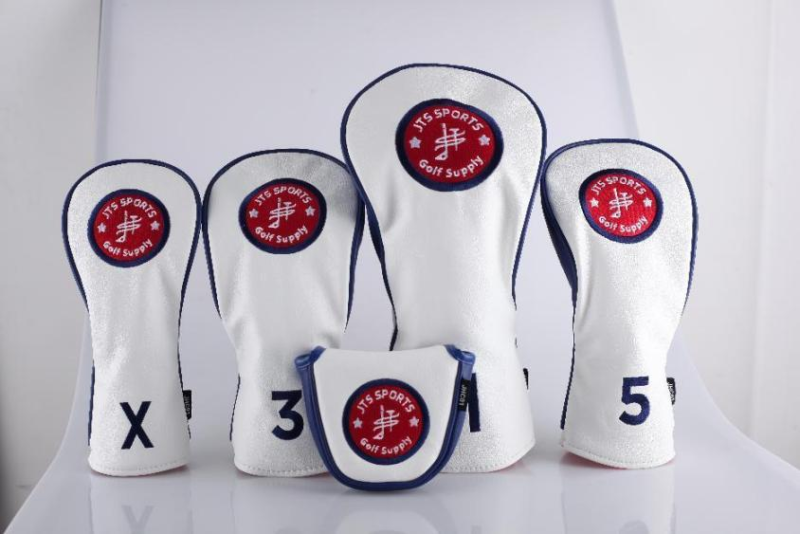
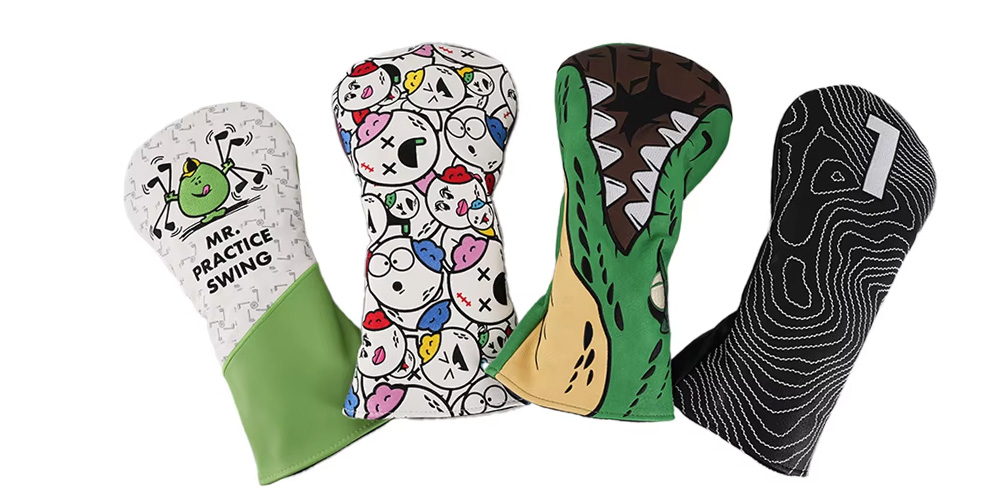
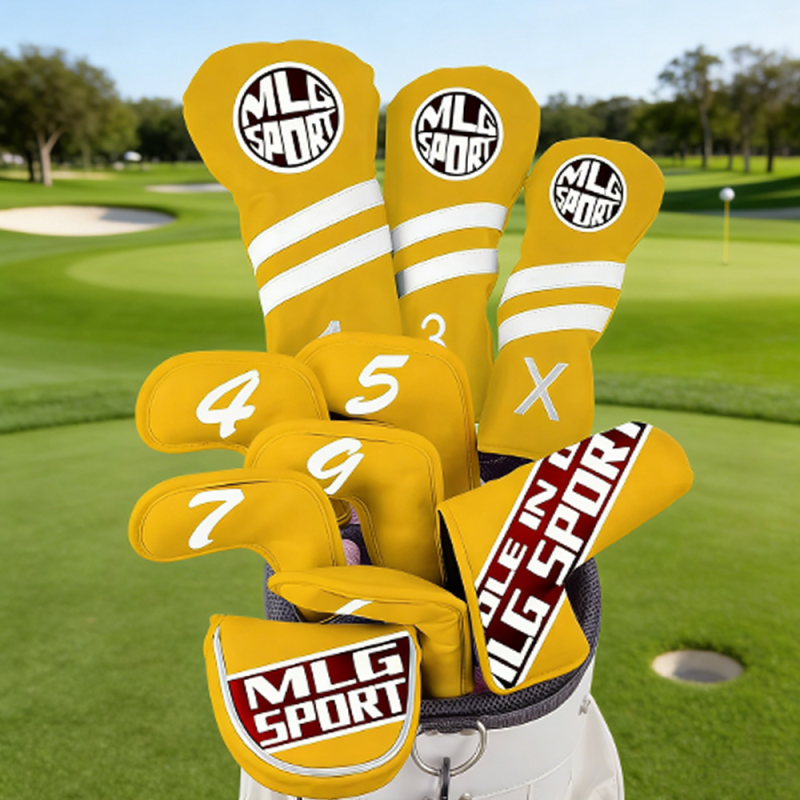
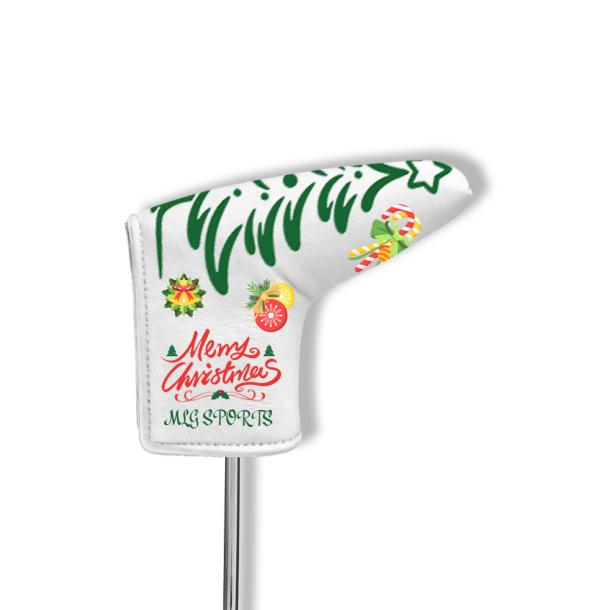
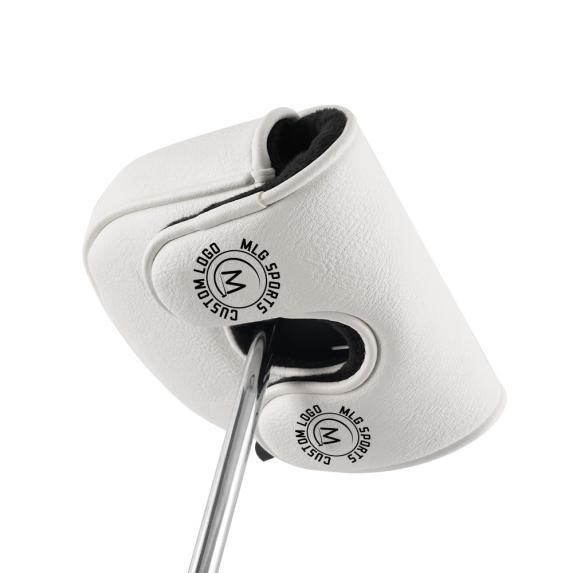
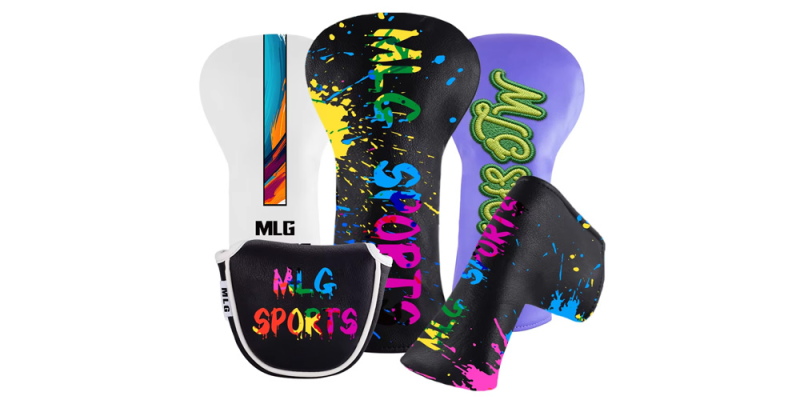
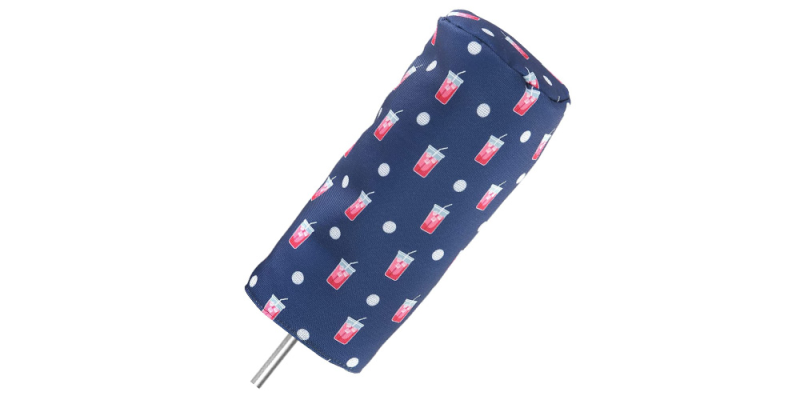
  • Golf Headcovers: Golf headcovers are protective accessories for golf clubs, mainly used to prevent scratches and damage during storage or transportation. They come in different types for various clubs (e.g., driver, fairway wood, iron, putter) and are made of materials like leather, neoprene, nylon, or silicone. Besides protection, they also allow for personal style through designs and colors, and require simple maintenance like cleaning and proper storage.

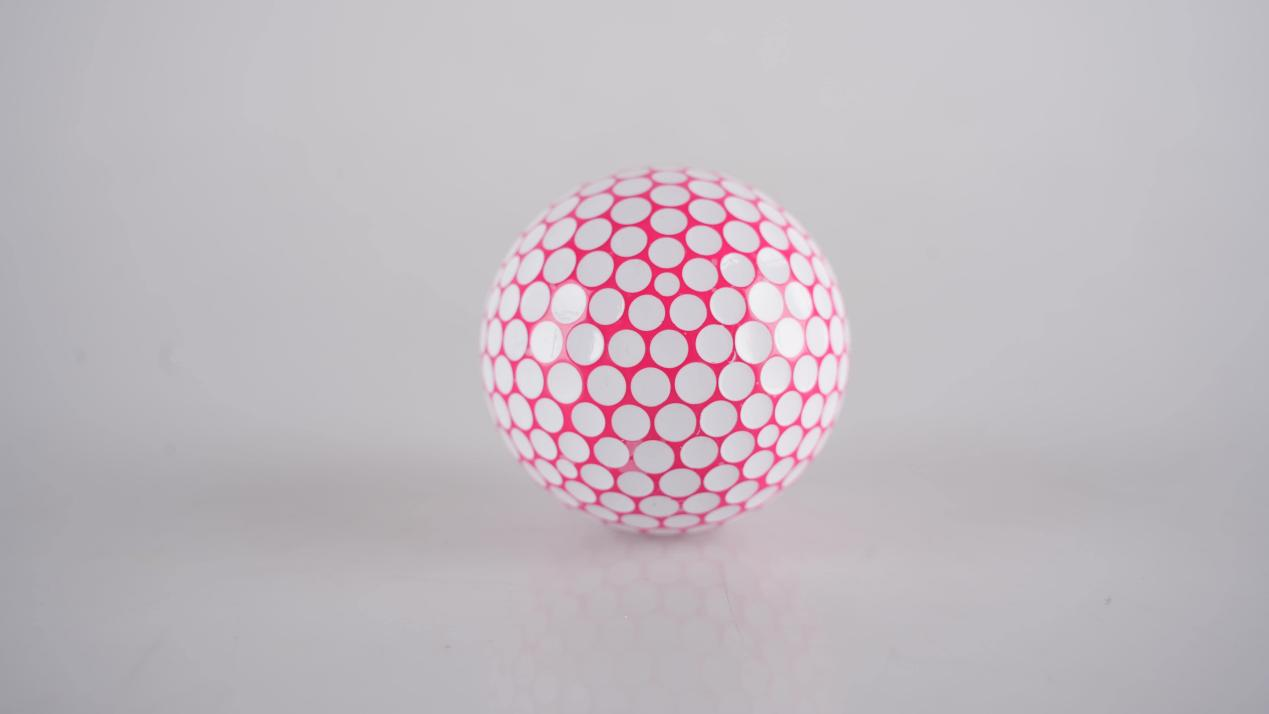
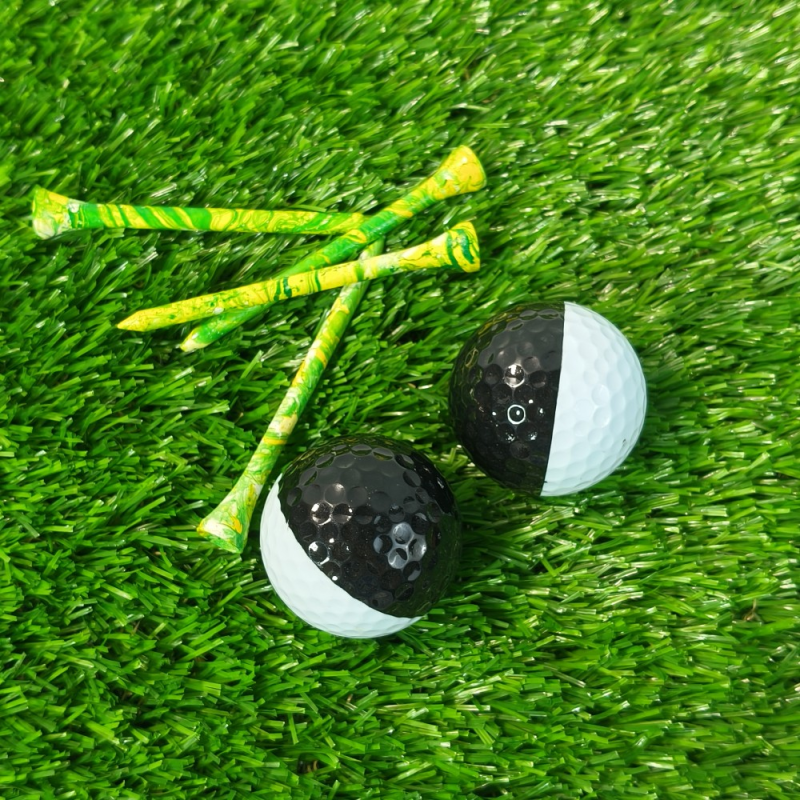
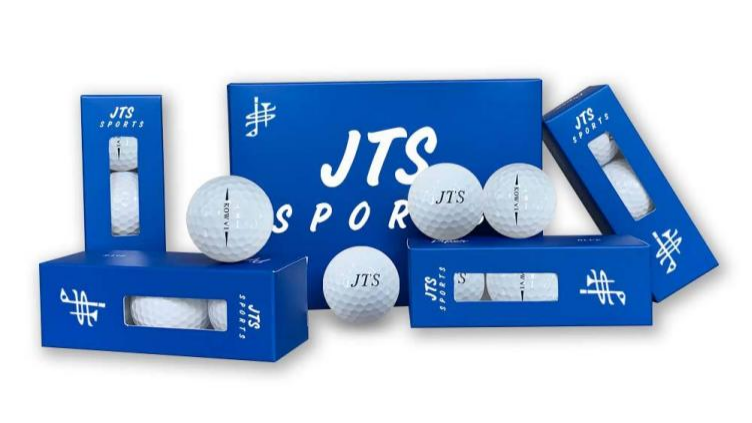
  • Golf Balls: Golf balls come in various types, each with different characteristics such as distance, control, and spin. Experiment with different brands and models to find the ones that work best for you.

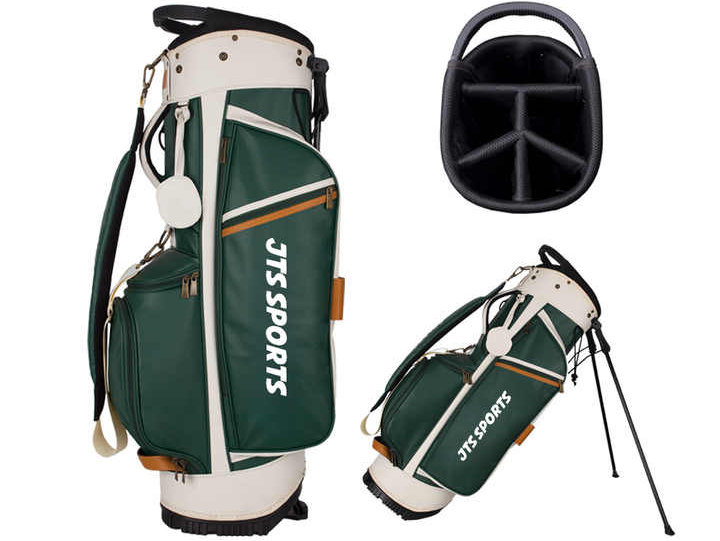
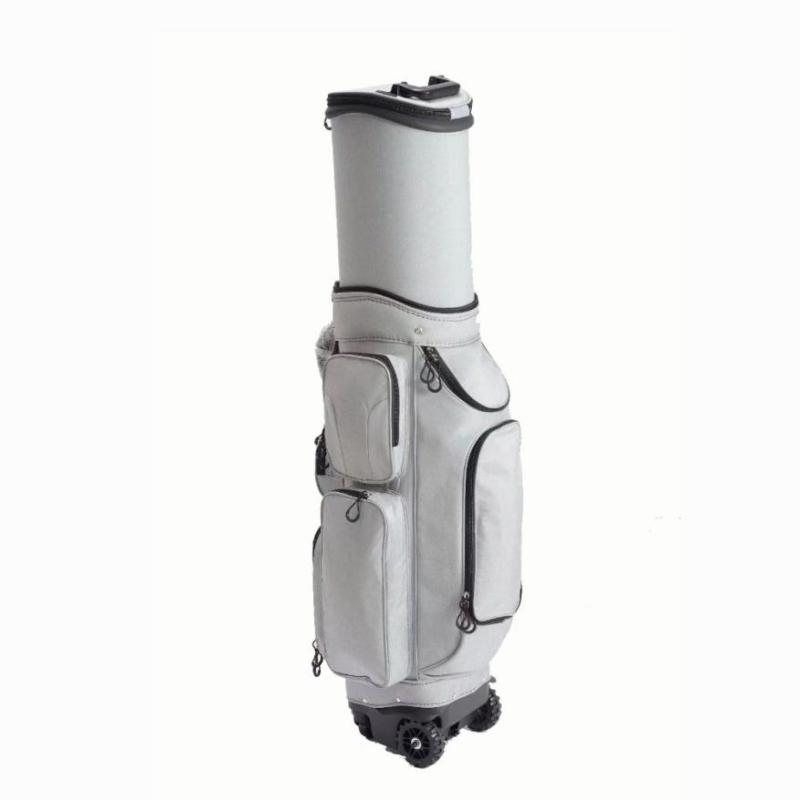
  • Golf BagsA good golf bag not only holds your clubs but also provides storage for other essential items like balls, tees, gloves, and water bottles. Look for a bag that is lightweight, durable, and has enough compartments to keep your gear organized.

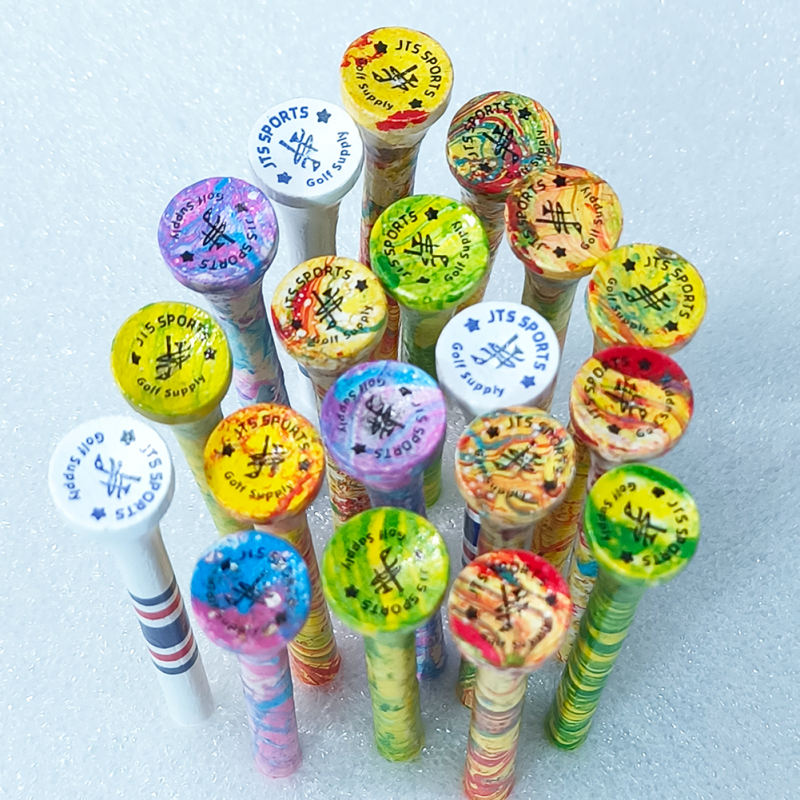
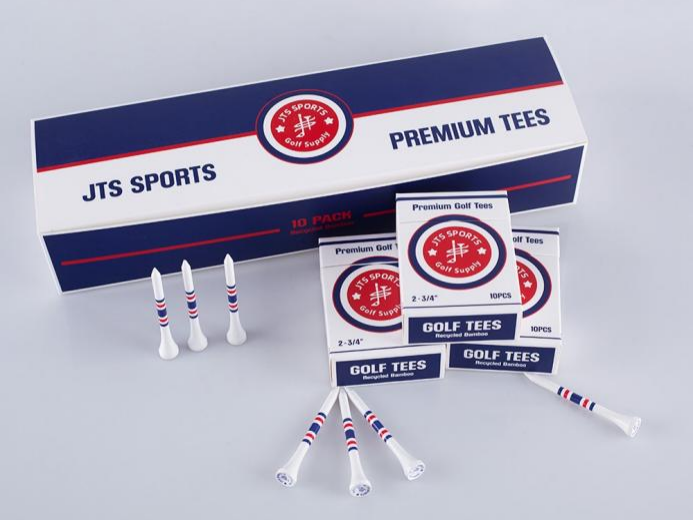
  • Golf Tees:Golf tees are small pegs used to support the ball at the start of a drive or fairway shot. Made of bamboo, wood, plastic, or rubber, they elevate the ball to optimize hitting angle and distance. Their height varies (typically 5-4 inches) to suit different clubs.

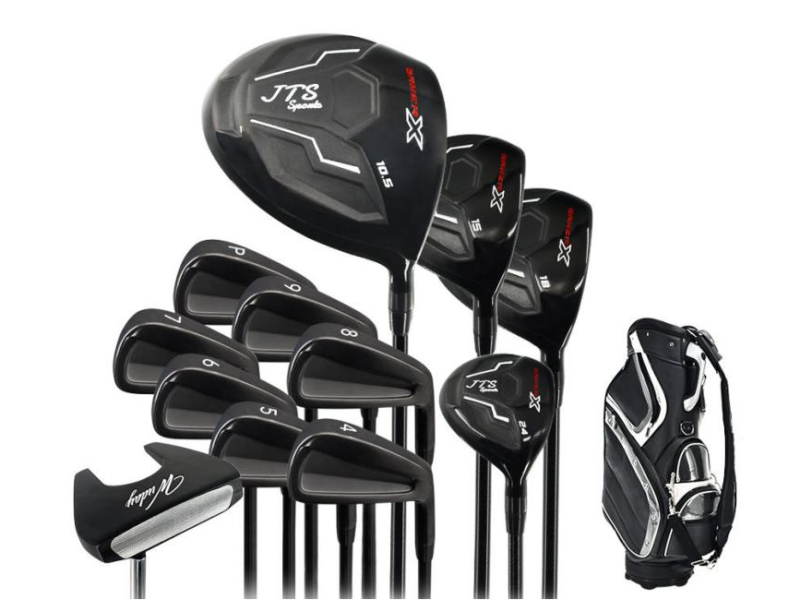
  • Golf Clubs: A standard set of golf clubs typically includes drivers, woods, irons, wedges, and a putter. Each club is designed for a specific type of shot, and choosing the right ones for your skill level and playing style is crucial. At our independent station, we offer a wide range of high-quality golf clubs from top brands, ensuring that you’ll find the perfect set to suit your needs.

Why Choose Our Factory?

At our factory, we’re passionate about golf and committed to providing our customers with the best products and services. We carefully curate our inventory to ensure that we offer only the highest quality golf equipment from trusted brands. Our team of experts is always on hand to answer your questions, offer advice, and help you find the perfect gear for your game. Whether you’re looking for a new set of clubs, the latest golf balls, or stylish golf head covers, we’ve got you covered. Plus, we offer competitive prices, fast shipping, so you can shop with confidence.

In conclusion, golf is a sport that offers endless opportunities for enjoyment, challenge, and personal growth. By understanding its history, mastering the rules and etiquette, implementing expert tips, and equipping yourself with the right gear from our factory, you can enhance your golfing experience and take your game to new heights. So, what are you waiting for? Grab your clubs, head to the course, and start your golfing adventure today!

Choosing Golf Club Head Covers: Selecting the Right “Protective Cover” for Your Clubs

In a golf,besides the clubs themselves, the most eye-catching accessory is undoubtedly the club head cover.This small accessory is much more than just a “protective cover” to prevent the club heads from colliding with each other in the bag.For today’s golf enthusiasts, it’s a statement of personal style, a symbol of good fortune, and even a source of collecting pleasure. Choosing the right club headcover can add a unique touch and emotional value to your golf experience.

Why Should You Carefully Choose Your Head Cover?

1. Core Function: Protect your golf club

The heads of woods (especially drivers and fairway woods) are usually manufactured with precision and are quite expensive. Their faces, crowns, and heels are highly susceptible to scratches and even dents from impacts during transport or use. A good clubhead cover provides ample cushioning, ensuring your valuable clubs remain as good as new for years to come.

  1. Practical and rapid identification
    A set of headcovers, whether uniformly designed or varied in style, allows you to quickly distinguish your tee shots, fairway woods, hybrid clubs, and even putters within your golf bag. This not only saves time but also keeps the entire bag looking neat and organized.
  2. The extension of personal style and identity

Club headcovers are one of the most visible personalization accessories on a golf course. Through them, you can showcase your interests (such as team logos, cartoon characters, animal themes), aesthetic taste (simple leather or ornate embroidery), and even your sense of humor.

  1. Psychological suggestion and “lucky charms”
    Many golfers consider certain head covers as their lucky charms. Seeing that clubhead cover that makes you feel at ease or happy before an important shot can provide a positive psychological boost and help maintain consistent performance.

Detailed Explanation of Main Types and Materials of Club Head Covers

Classified by protected part:

Wood cover: The most common type, used to protect drivers, 3-woods, 5-woods, etc. They are usually the largest in size and have the most diverse designs.

Putter cover:Specifically designed to protect the putter head. While putters aren’t as vulnerable to impact as woods, a well-designed putter cover reflects professionalism and taste, and also prevents scratches on the putter face.

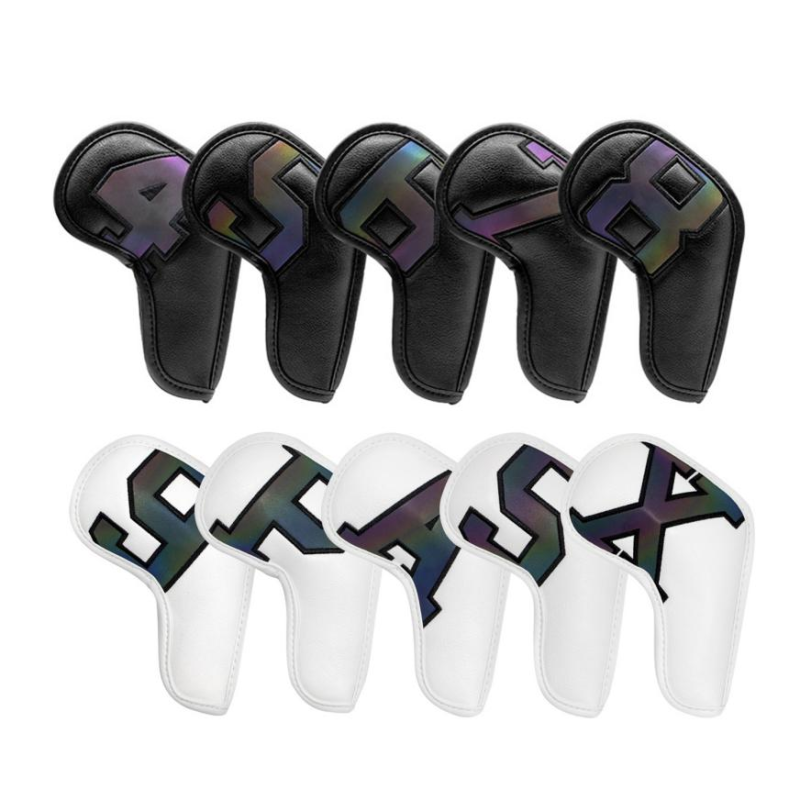
Iron Cover:They usually come in sets.

Categorized by Material and Design:

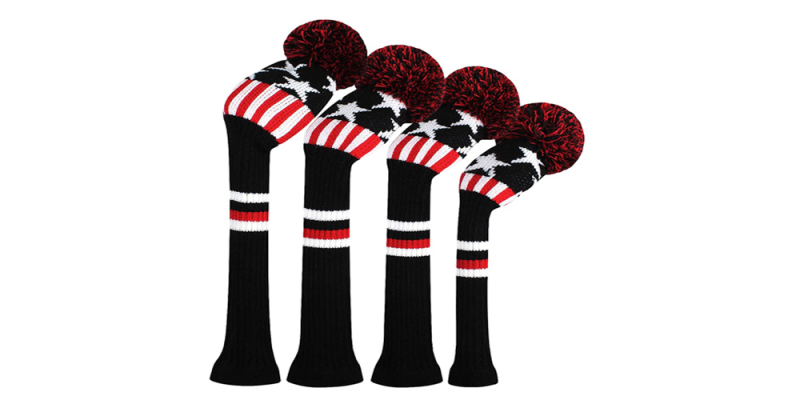
  1. KnittingHead Cover

Features: Knitted from wool, classic, soft, and lightweight. The most common style is the “sweater” style, with fluffy pom-poms or tassels.

Advantages: Good cushioning, lightweight, diverse styles, full of retro and casual vibes.

Disadvantages: Not very waterproof, easily attracts dust, and has relatively poor durability.

Suitable for: Golfers who appreciate classic golf style and enjoy a relaxed and lively atmosphere.

  1. Leather/PULeather Club Head Cover

Features: Made of genuine leather or high-quality PU leather, typically with a stiff shape and simple lines.

Advantages: High-end, professional appearance, durable, easy to clean, and relatively waterproof. It retains its shape well.

Disadvantages: Usually more expensive, slightly heavier, and may have a more formal style.

Suitable for: Golfers who value quality and professional appearance, and business golfers.

  1. Nylon Head Cover

Features: Made with high-tech synthetic fabrics (such as polyester and ballistic nylon), highly functional.

Advantages: Extremely wear-resistant, waterproof, and lightweight. Many brand-name poles use this type of material as their original equipment.

Disadvantages: The design may not be as distinctive as the knitted or leather versions, and the appearance is more industrial.

Suitable for: Golfers who value practicality and durability and frequently play in inclement weather.

  1. Themed Creative Pole Head Cover

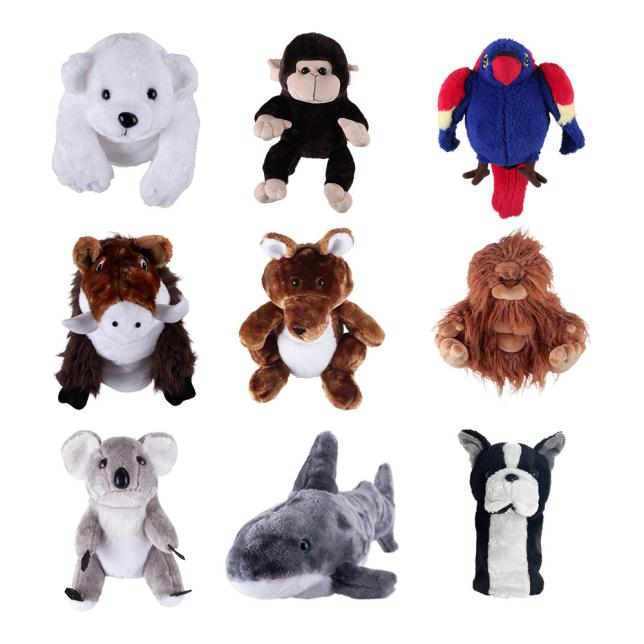
Features: This is the most fun category. Designed in various shapes including animals (dinosaurs, foxes, whales), food, cartoon characters, sports logos, etc.

Advantages: Unique and highly individualistic, it’s an excellent conversation starter on the court and can bring joy.

Disadvantages: The level of protection may vary depending on the design, and some designs may not fit well.

Suitable for: All golfers who want to add fun to golf, and also an excellent gift choice.

Factory Customization

Cost-effectiveness and economies of scale

Bulk customization can significantly reduce unit costs. Orders of 100 pieces or more can typically enjoy wholesale prices, and the cost advantage becomes even more pronounced for orders of 1,000 pieces or more. This allows you to obtain a healthy profit margin with competitive retail prices.

Complete brand control

From fabric selection and design elements to packaging details, you have complete control over every aspect of the product, creating a truly unique brand image.

Conclusion

Hopefully, this guide to choosing Golf Headcover will help you find a safe yet distinctive “outfit” for your beloved clubs, allowing your gear to shine on the course.

Custom Your Golf Headcover with JTS

JTS can provide you with perfect customization services. Please contact us.

With rapid progress in today’s world, the incidence of stress and mental health issues is increasing. But what if a simple game might help? On the exterior, golf is regarded as a leisurely activity. Still, under this superficial surface, it potentially lies as the best and most powerful tool for improving mental health and reducing stress. Golf, the sound of a ball being struck, the beauty of the course, and the psychological and physical challenges provide a unique healing potential. Whether its golf clubs near me or getting a golf club fitting, this game can change your well-being.

The Science behind Golf and Mental Health

Golf is not a sport. Golf is a scientifically proven means to enhance your mental well-being. From the release of happy hormones to calming your mind, here’s how golf enhances your mood.

Endorphins: Golfing can leave you in a good mood and calm. When you golf, your body releases endorphins, or “happiness hormones. These hormones relieve tension, soothe anxiety, and make you feel happier, so you unwind and are content.

Nature Therapy: Golf courses are nature therapy sessions. Being outdoors is associated with lower cortisol levels (the stress hormone) and promotes a feeling of calm with its rolling greens, fresh air and open skies. It’s a soothing escape from the din of day-to-day life.

Why Golf Clubs Matter: The next time you search for golf clubs near me, remember you’re not only picking a sport. You’re picking something good for your brain. The proper equipment and terrain make golf an excellent method for feeling better.

Stress Reduction through the Sport of Golf

The ability of golf to relieve stress is one of the most incredible benefits of the sport. Let’s take a closer look at how this sport helps you unwind and recharge.

A Meditative Experience: The smooth swing of a club and the simple exercise of walking the course provide a stress-relieving experience. Studies have found that the typical golfer walks four miles per round, burning calories and providing ample exercise to chase away stress.

A Mental Escape: Once you’re on the course, your mind is on the game, calculating distances, planning your shots and perfecting your swing. This temporarily forgets work deadlines, financial troubles, or relationship problems.

Help from Others in the Course: Golf is not a solitary sport. Playing with friends or joining a local golf club provides emotional support and stress relief. It’s also an opportunity to socialize while playing the game.

Golf as a Mindfulness Practice

If you’ve ever struggled to stay still and meditate, golf could be the answer. Golf is a ball game and a way of being present and enjoying yourself.

Patience and Concentration: Golf is about keeping your mind sharp and patient. Every shot requires your focus, from the way you stand up to the direction you aim. This type of focus makes you forget the typical pressure and be present.

Focusing on the Course: When you golf, concentrate and don’t let your mind wander. You’re thinking about your swing, the wind, and the green’s break. This focus on the game itself anchors you, which is a pillar of mindfulness.

The Importance of Golf Club Fitting: Golf can be challenging for new players, but having the right clubs can significantly help. Your clubs should be sized appropriately for height, strength, and swing style. Once you know your gear well enough, focusing on playing the game and enjoying yourself is not as hard.

Golf as Moving Meditation: The better you become as a golfer, the more you realize it isn’t a sport. It’s a way of meditating in motion. The same motions, the peaceful environment, and concentration combine to relax you.

Strengthening confidence and mental resilience

Golf is a sport of obstacles and victories, and conquering challenges can boost your self-confidence.

Little Triumphs, Plenty of Confidence: It builds confidence through small victories on the course, which translates into feeling better about yourself. You generate the belief that you can do this with other parts of your life, too, which makes it easier to handle challenges.

Tools for Improvement: Mass customization is JTS’ specialty because the company delivers specific solutions for sports teams together with organizations. The tools and equipment you require for motivation and performance enhancement can be accessed from JTS.

Key Life Skills from this Course: With patience and persistence, you will learn to sharpen your life skills to make better choices and maintain emotional stability.

The Role of Golf in Emotional Stability

Golf isn’t only a path to physical and mental health but also a pathway to emotional stability.

● Managing Highs and Lows: Golf teaches you to take success and failure in stride, normalizing emotional stability whether you hit a perfect shot or miss the whole thing.

● Making Decisions When It Matters: Every swing of the club involves split-second adjustments and strategy, building better decision-making acumen when the heat is on.

● Teaching Lessons in Patience and Perseverance: Golf’s slow pace demands patience with the game, a quality that transfers into the emotional fortitude of the course.

How Golf Contributes to Social Well-Being

Golf isn’t just an individual game. It’s a community experience that can boost your well-being.

Connecting with Others: Playing with friends or joining a golf club also helps build worthy connections that combat loneliness and isolation.

Networking Opportunities: Golf courses are an excellent place to meet new people, whether for personal friendships or professional networking.

Teamwork and Team Development: Golf requires teamwork and collaboration even in individual play, and that team aspect is critical in group tournaments or events.

How to Get Started with Golf for Mental Health

Are you ready to access the mental health benefits of golf? Here’s how to begin:

● Find Local Courses: Try searching for golf clubs in your area to find courses. Most clubs offer beginner programs and lessons.

● Get the Proper Equipment: Get the proper golf clubs for height, swing type, and ability.

● Become Part of a Community: Golfing is more enjoyable with friends! Join a local club or league to get to know other golfers and establish a support group.

● Start Small: You don’t need to play all 18 holes simultaneously. You can play a few or go to the driving range.

FAQ’s

What are the psychological benefits of playing golf?

Exercise releases endorphins and nature therapy reduces stress by enhancing concentration through playing a sport. This is classified as cognitive, and you’re searching for golf clubs near me or doing a golf club fitting.

Is golf a stress relief and anxiety technique?

Yes, golf is stress-reducing through exercise, being in the moment, and being outdoors. JT’s customized sports gear serves as a fantastic benefit to provide additional motivation and reduce stress.

Can you recommend what equipment I will need to play golf?

You can begin with the bare essentials of clubs, balls, and attire. Fitting your golf clubs is like fitting your reading glasses to your prescription, and golf clubs near me can help you find golf courses in the area.

Conclusion

Golf is a sport, but that is not the whole story. Golf lifts your mood and de-stresses. In addition to physical health, being in the moment, and social interaction, golf is great for your health. For mental health,  golf presents a complete package that includes golf clubs in your area as well as properly fitted clubs and customized sports gear from JTS. So grab your clubs, head out onto the green, and see how golf lifts your mood and reduces your stress today.

Have you ever wondered what golf balls are made of? This blog explores their materials, how they’re made, and the different types of golf balls available to suit every golfer.

What is a golf ball made from?

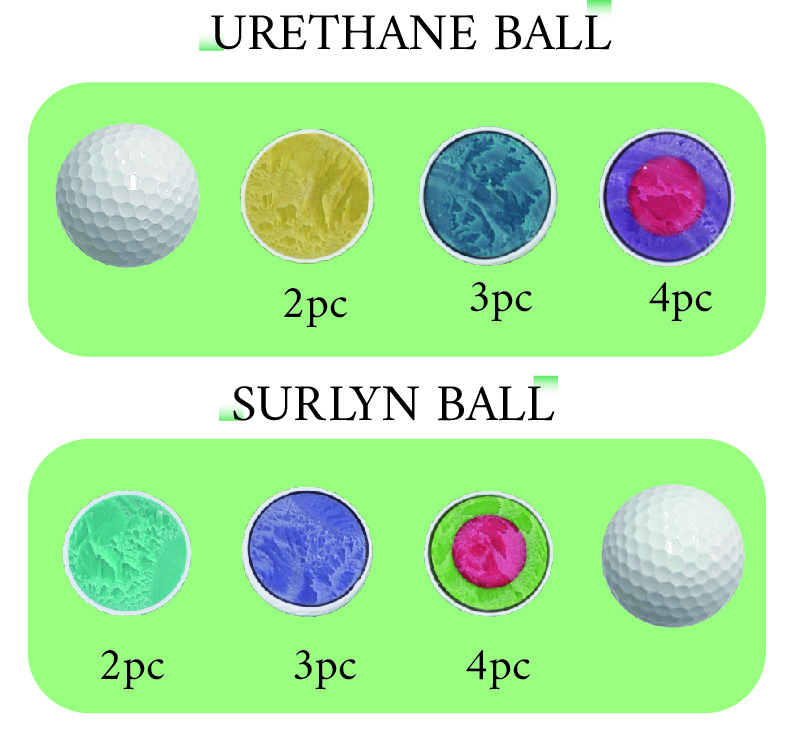
Golf balls are made using various layers of rubber materials in their core. They can feature:

  • 2-piece balls: A solid rubber core with a durable cover.
  • 3-piece balls: A core, a mantle layer, and an outer cover.
  • 4-piece balls: Additional layers for enhanced performance.

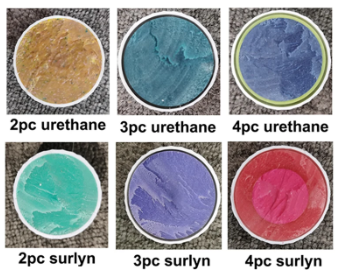
The outer layer is typically crafted from urethane or Dupont Surlyn, offering durability and spin control.

Poly-urethane is soft material, which give more control and spin rate.

The golfers who seek more skill and feel like this kinda of material.

For market oriented, the north America is main market for this one.

It is a very hard and solid ball that dupont surlyn.

The high compression and low spin make it drive longer than urethane ball.

The more layer give the ball more hardness and compression.

The world golf long drive competition, golfers who want a great distance. The four piece dupont surlyn is the best one, which bring the longest distance. Drive long and fast!

If you want to break your long drive record, using this hard ball for sure!

Our JTS 4 piece dupont surlyn win the championships at 234/mph speed.

The history of the golf ball

The composition of golf balls has evolved significantly over time:

  • Wooden Balls (15th century): Early golf balls were made of wood, but they were difficult to hit consistently.
  • Featherie Balls: Leather spheres filled with feathers and painted white. These balls absorbed water and quickly became misshapen.
  • Gutta Percha Balls (19th century): Made from natural latex, these balls were more affordable, durable, and uniform in shape.
  • Haskell Balls: Featuring rubber strands wound around a solid core, coated in gutta percha, and sporting dimples to improve flight.
  • Rubber balls: The Titleist Pro V1 golf ball, first introduced in October 2000, revolutionized the golf ball market by offering both distance and feel, previously considered trade-offs. Its multi-layer construction and urethane cover provided exceptional performance, leading to its rapid adoption on professional tours and in the marketplace. The Pro V1’s immediate success solidified its position as a dominant force in golf.

Modern golf balls use advanced materials and designs to enhance distance, spin, and control for players of all skill levels.

The importance of golf ball design

Golf ball design directly impacts performance. Here’s why it matters:

  • Distance & Accuracy: Dimple patterns, cover materials, and core compression influence aerodynamics, ensuring greater distance and precision.
  • Spin Control: The cover material and dimple pattern affect how the ball spins, especially during approach shots or short-game play.
  • Feel & Feedback: Golfers can choose softer or firmer balls depending on their preference for feedback when striking the ball.
  • Swing Speed & Compression: Golf balls are tailored for different swing speeds, with low-compression balls suiting slower swings and high-compression balls suiting faster swings.
  • Skill Level: High-handicap players may prefer balls designed for forgiveness and distance, while low-handicap players opt for precision and control.
  • Weather Performance: Some balls are engineered for optimal performance in specific weather conditions, like hot or cold climates.

How are golf balls made?

The process of manufacturing golf balls includes:

  1. Core Formation: Mixing rubber compounds (like polybutadiene) with additives to achieve desired compression and feel.
  2. Core Moulding: Shaping the rubber mixture into spherical cores using compression or injection moulding.
  3. Mantle Layer Application: Multi-layer balls receive a mantle layer to enhance spin, distance, or control.
  4. Cover Preparation: Cover materials are blended with additives to achieve the desired hardness, durability, and feel.
  5. Cover Moulding: The cover is formed into two halves with dimples added to its surface.
  6. Core Encapsulation: The core (and mantle layer, if applicable) is encased within the cover.
  7. Cover Bonding: Heat and pressure fuse the two halves of the cover together.
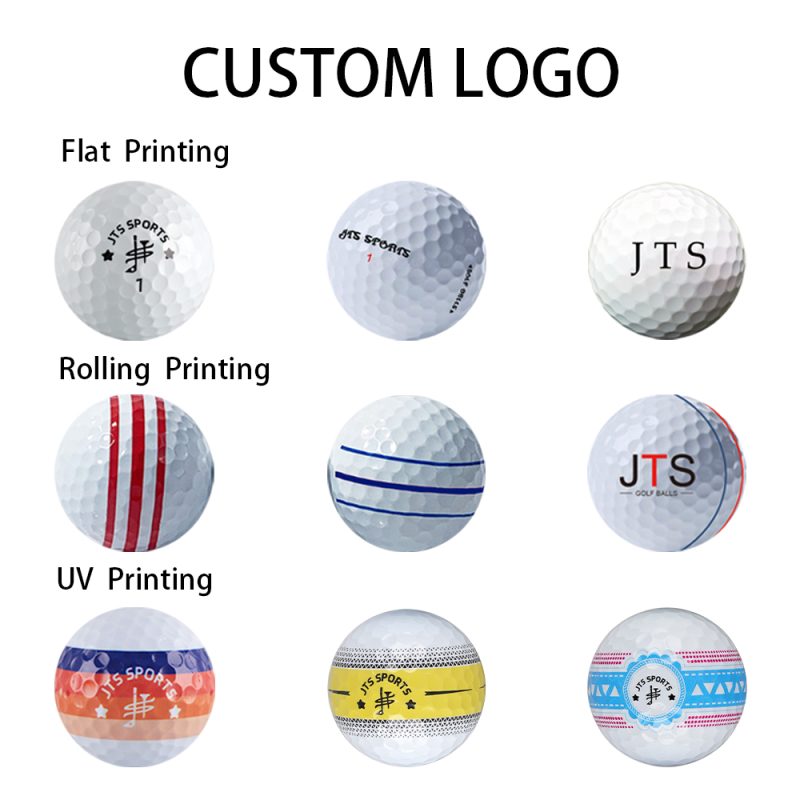
  8. Finishing: Excess material is trimmed, and the ball is painted, printed, and customized (e.g., with logos or alignment aids).
  9. Quality Control: Balls undergo stringent checks to ensure they meet manufacturers’ standards.

What are the different types of golf balls​?

There are several types of golf balls, each suited to different playing styles:

  • Two-Piece Golf Balls: Durable and ideal for distance, popular with high-handicap and casual players.
  • Multi-Layer Golf Balls: Designed for control, spin, and distance; ideal for mid-handicap players.
  • Tour-Level Golf Balls: Premium balls for advanced golfers, offering superior spin and control.
  • Distance Golf Balls: Low-compression cores and harder covers optimize long shots and minimize spin.
  • Low-Compression Golf Balls: Best for slower swing speeds, generating higher ball speeds.
  • High-Compression Golf Balls: Designed for faster swing speeds, offering control and reduced spin.
  • Women’s Golf Balls: Marketed for women, with softer feels and lower compression levels.

Enhance your golf skills with JTS

JTS is here to help you improve your golf performance. Simply track your progress and obtain a Handicap Index® under the World Handicap System™ by joining JTS today.

1.Learn more about golf ball
In the world of golf, the starting point of every game and the key partner that every golfer cannot do without is the golf ball.
Why is the choice of golf ball so important to the game?
From compression ratio to layer design, from material to flight trajectory, every parameter of a golf ball is essential:

Compression ratio: Fast swing speed is suitable for high compression balls, which can generate extreme explosive power. It requires players to have a high swing speed, usually more than 145km/h. It has a significant advantage in hitting distance, with an average hitting distance of more than 270 yards;The slow swing speed is adapted to the low compression ball, which can provide excellent hitting distance at a lower swing speed (less than 90km/h) and make every shot as stable as a rock.

Ball structure: double-layer balls take into account both distance and basic performance, suitable for beginners to practice or for amateur players to play on a daily basis;The three-layer ball is the “king of cost-effectiveness” and you can clearly feel the significant improvement in club control; the four- or five-layer ball has high speed and all-round performance optimization and is generally suitable for professional players and high-level enthusiasts.

Special material: In different competition fields – wind-resistant balls are not afraid of strong attacks and can reduce the impact of wind on the flight of the ball;Soft core balls improve the feel and can help players sense the force and direction.Only by fully understanding the materials of golf balls can you better conquer various courses.

2.The close connection between golf and golf
On the vast playing field, golf and the sport of golf are closely connected and intertwined.From its ancient origins on the Scottish coast to the pinnacle of competition in a variety of events, golf has always been a staple of the sport.Golf balls, as a key element in the sport of golf, are inseparable from each other. From the origin and development of the sport, to the formulation of competition rules, to the display of player skills, all are inseparable from this small golf ball. It runs through the starting point and end point of the golf trajectory and becomes the core link connecting all aspects of this sport.

In terms of size and weight, the diameter of a golf ball must not be less than 42.67 mm and the weight must not exceed 45.93 grams. These seemingly small data are the basis of competition in golf.The dimple design on its surface can effectively reduce air resistance and increase lift. Studies have shown that the dimple design can increase the flight distance of the ball by about 20% compared to a smooth sphere, helping players to accurately send the ball to the target area. During the game, players will also choose different models of golf balls according to different venues and wind conditions to achieve the best results.

3.How to choose the golf ball that suits you
In the sport of golf, choosing a golf ball that suits you can significantly improve your hitting performance. There are many types of golf balls on the market, with different materials, structures and performance parameters. The following provides references for choosing golf balls from different angles:
·Identify your needs and preferences
Determine the course environment and weather conditions, batting style, target effect to be achieved, etc.
·Choose the right manufacturer

Filter by technical strength and brand positioning,
Balance between cost performance and technology,

Choose the one that suits your preference and style.

  • According to swing speed

Slow swing (<85 mph): It is suitable to choose a ball with a low compression rate (below 70) to better transfer power and increase hitting distance.

Medium swing (85-105 mph): A medium compression ball (70-90) that balances distance off the tee with accuracy around the green.

Fast swing (>105 mph): A ball with a high compression ratio (90 and above) that can withstand strong hits and convert them into high initial velocity.

  • Choose according to the structure and number of layers of the ball
    Golf balls can be divided into two-layer balls, three-layer balls, four-layer balls and even five-layer balls according to their structure. The more layers there are, the more complex the technology is and the more comprehensive the functions are. The high spin characteristics of three-layer/four-layer balls make the ball stop as soon as it hits the ground; if you prefer to drive from a long distance, the direct flight advantage of a two-layer ball can help you break the game easily.
  1. How to enjoy the ultimate experience of golf
    Golf attracts countless fans with its unique charm. It is not just a sport, but also the ultimate enjoyment of oneself. Golf is also a competition with oneself. Every shot is a comprehensive test of technique, psychology and strategy. When we devote ourselves to it with concentration, love and positive attitude, we can harvest our own beautiful moments in this world and appreciate the unique charm of golf.

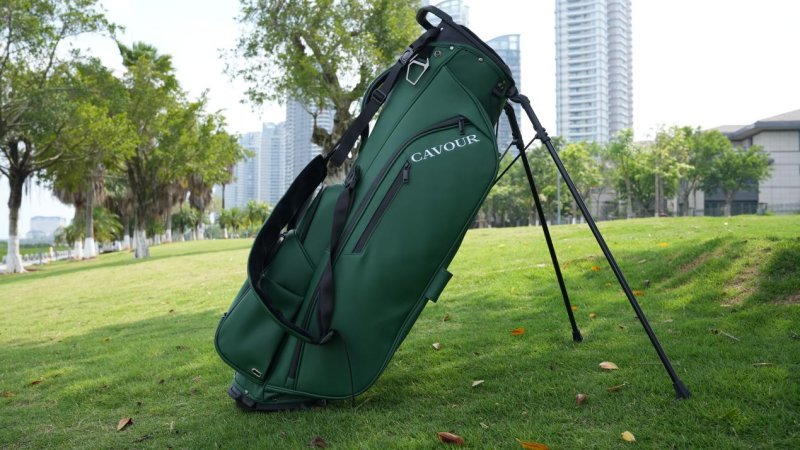
Forget the clubs for a moment. Your golf bag is the unsung hero (or villain) of every single round. It’s your mobile command center, your equipment guardian, your constant companion across 18 holes. Choose poorly, and you’re saddled with frustration, backache, and disorganized chaos. Choose wisely, and you unlock comfort, convenience, and maybe even a few strokes saved through better focus and preparedness. This comprehensive guide dives deep into the critical factors for selecting the perfect golf bag for your game.
Why Your Golf Bag Choice Matters More Than You Think

It’s not just a sack for your clubs. Your bag fundamentally impacts:

◆ Physical Comfort & Fatigue: A poorly designed or heavy bag, especially if you walk, leads to back, shoulder, and arm strain. Comfort directly affects your energy levels and swing late in the round.
◆ Course Management & Pace of Play: Easy access to clubs, balls, tees, and rangefinders keeps you organized and moving efficiently. Fumbling costs time and rhythm.
◆ Equipment Protection & Longevity: Quality bags shield your expensive clubs from chatter damage, the elements (sun, rain, moisture), and accidental drops.
◆ Convenience & Preparedness: Adequate storage for essentials (rain gear, extra layers, snacks, valuables) means you’re ready for anything the course throws at you.
◆ Personal Style & Enjoyment: Let’s be honest, a bag you like the look of adds a touch of pride and enjoyment to your round.

Navigating the Golf Bag Landscape: Core Types

The first major decision hinges on how you primarily play:

■ 1. Cart Bags (The Feature-Rich Workhorse):
Design: Built specifically to ride securely on motorized or push/pull carts. Typically larger and heavier.
Key Features:
Top: Often a 15-way top (or 14+ putter well) for maximum club organization and protection.
Storage: CHAMPIONS storage! Multiple large, specialized pockets: insulated cooler pockets, full-length apparel pockets, dedicated rangefinder/valuables pockets, numerous accessory pockets. Think “golfing suitcase.”
Stability: Wider base for stability on the cart. May have non-slip or strap-friendly bases.
Putting Well: Almost always includes an easily accessible putter well.
Pros: Ultimate organization, maximum storage, excellent club protection, easy access on a cart.
Cons: Heaviest option, cumbersome to carry any distance, can be top-heavy if poorly designed.
Best For: Golfers who primarily ride in a cart, value maximum organization and storage, and don’t mind the weight.

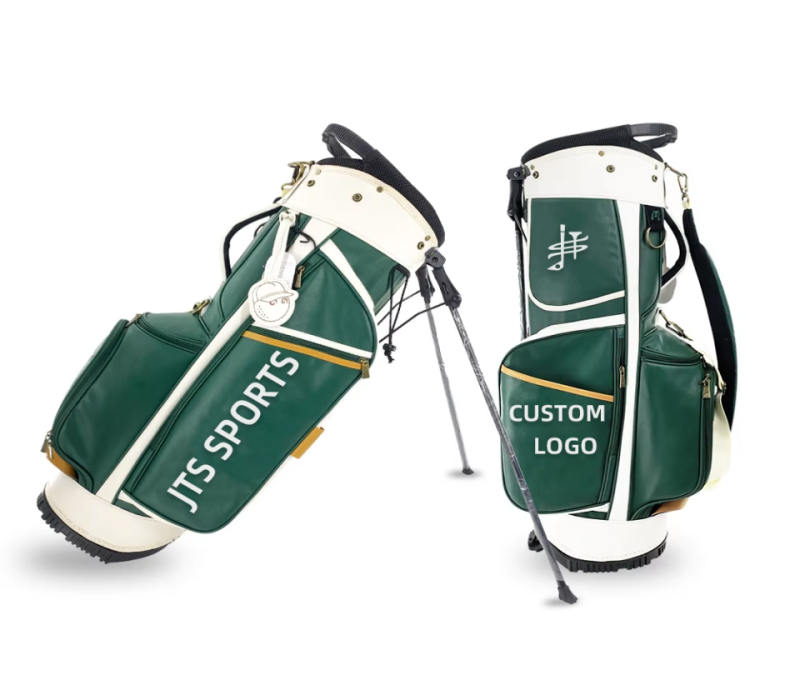
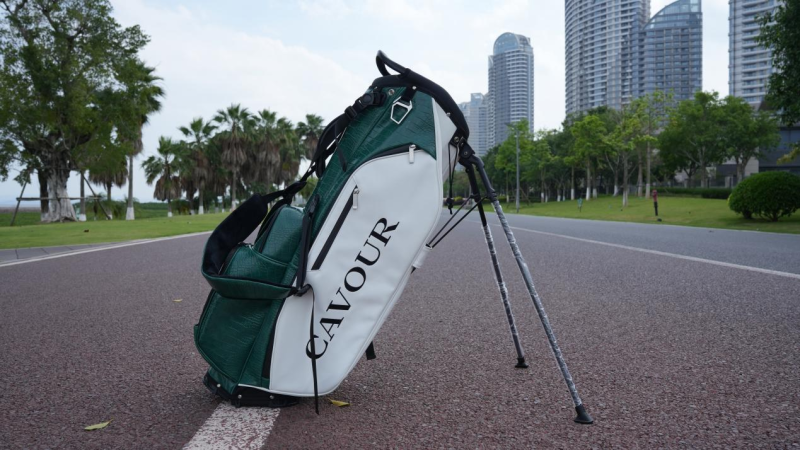
■ 2. Stand Bags (The Versatile All-Rounder):
Design: The most popular choice. Features built-in retractable legs activated when you set the bag down, keeping it upright and clubs accessible anywhere on the course.
Key Features:
Legs: Dual legs with durable feet. Look for stability and smooth retraction mechanisms.
Top: Usually 4-way, 5-way, 6-way, or 14-way tops. Balance organization with weight.
Weight: Prioritizes lighter materials (though varies greatly). Carrying comfort is paramount.
Storage: Good pocket configuration – typically several apparel/accessory pockets, a valuables pocket, and often a cooler pocket (smaller than cart bags). Pockets designed for easy access while walking.
Straps: Dual, well-padded, ergonomic straps (often convertible to single strap) are crucial. Look for comfort tech.
Pros: Excellent versatility (suitable for carrying, push carts, and riding carts), good storage, keeps clubs upright and accessible, generally lighter than cart bags.
Cons: Less storage than cart bags, smaller tops can sometimes cause club tangle (depends on design), legs add slight weight/complexity.
Best For: Golfers who walk frequently (with or without a push cart), occasional riders, those wanting the best balance of features and weight. The most versatile choice.

■ 3. Carry Bags (Sunday Bags / Ultralight):
Design: Minimalist. Focuses purely on lightweight carrying. Usually lacks legs.
Key Features:
Weight: Extremely light (often under 3-4 lbs).
Top: Simple 3-way or 4-way top, or even a single divider tube. Minimal club separation.
Storage: Very limited – maybe 1-2 small pockets for essentials (balls, tees, wallet).
Straps: Single strap (sometimes convertible) for simplicity.
Pros: Absolute lightest option, simplest design, easy to carry for short walks or quick practice sessions.
Cons: Virtually no club protection (lots of chatter), minimal storage, clubs fall over constantly, uncomfortable for a full 18 unless supremely fit.
Best For: Short courses, par-3 courses, practice range sessions, travel (as a backup), or the ultra-minimalist golfer carrying only a half-set.

■ 4. Staff Bags (The Tour Pro Look & Heavy-Duty Hauler):
Design: Large, heavy, traditionally used by caddies carrying for tour pros. Often branded heavily for players.
Key Features:
Size & Weight: Largest and heaviest type (10+ lbs empty is common). Premium materials (often leather or heavy synthetic).
Storage: Massive storage capacity, similar to high-end cart bags but often more robustly built.
Durability: Built to withstand rigorous travel and constant use.
Image: Projects a classic, professional aesthetic.
Pros: Ultimate durability, immense storage, maximum club protection, prestigious look.
Cons: Extremely heavy, expensive, impractical for carrying (designed for caddies/carts), bulky.
Best For: Golf professionals, elite amateurs with caddies, golfers who exclusively ride and want the ultimate durable bag with max storage and a tour look. Not for walkers.

■ 5. Travel Bags (The Essential Protector):
Design: Not for the course itself! These are sturdy cases (hard or soft shell) designed specifically to protect your golf bag and clubs during airline travel.
Key Features: Padding, structure (hard cases), wheels, durable exterior materials, often TSA-approved locks.
Critical: NEVER check your clubs in just your regular golf bag. A dedicated travel bag is mandatory for safe air travel.
Choosing Your Perfect Match: Key Selection Criteria

Once you’ve identified the primary type (likely Stand or Cart for most), drill down with these factors:

  • 1. Top Design & Club Management:
    Full-Length Dividers vs. Individual:Do dividers run the full length of the bag (best protection, prevents grip tangling) or just partway? Full-length is superior.
    Number of Dividers: More dividers (14-way) = better organization & protection but can be bulkier/heavier. Fewer dividers (4-way, 5-way) = lighter weight, potential for club tangle. Consider: How many clubs do you carry? Do you have oversized grips? How much does club chatter annoy you?
    Putter Well: Is there a dedicated, easily accessible slot for your putter? Highly recommended.
  • 2. Weight: The Burden or the Blessing:
    Empty Weight:Crucial for walkers! Stand bags range from under 4 lbs (ultralight) to over 6 lbs. Cart/Staff bags are heavier (5-10+ lbs).
    Loaded Weight: Remember to factor in clubs (15-20 lbs), balls, water, gear! A 5-lb bag becomes 25+ lbs quickly. Lighter bags significantly reduce fatigue.
  • 3. Storage & Pockets: Your Mobile Locker:
    Apparel Pocket:Size matters! Can it hold a jacket, sweater, or rain pants? Is it full-length?
    Cooler Pocket: Insulated? How big? Can it hold multiple drinks/snacks?
    Valuables Pocket: Padded? Zippered? Water-resistant? Secure for phone, wallet, keys.
    Rangefinder Pocket: Dedicated, often fleece-lined? Easy access?
    Accessory Pockets: Enough for balls, tees, gloves, tools, sunscreen? Well-organized?
    Access: Are pockets easy to open/close while wearing a glove? Placement matters when the bag is on your back or a cart.
  • 4. Comfort & Carrying System (For Stand/Carry Bags):
    Straps:Dual straps are essential for walking. Look for:
    Padding: Thick, breathable foam.
    Ergonomics: Contoured to fit shoulders/back. Padded lumbar support?
    Adjustability: Easy to customize fit.
    Dual/Single Convertible? Some offer flexibility.
    Brand Tech: Look for systems like Titleist’s 4-way, Ping’s Hoofer, Sun Mountain’s 4.5 LS – designed for comfort.
    Hip Pad: Does it have a padded hip pad for extra stability and weight distribution?
    Balance: How does the bag feel when loaded on your shoulders? Does it sag or pull awkwardly?
  • 5. Durability & Materials: Built to Last:
    Fabric:High-denier polyester (e.g., 600D, 900D, 1200D+) or nylon is standard. Higher denier = tougher but heavier. Leather (Staff) is premium but high-maintenance.
    Zippers: Quality YKK zippers are a good sign. Water-resistant zippers are a bonus.
    Stitching: Reinforced stitching at stress points (straps, legs, pocket seams).
    Legs & Feet: Sturdy construction, metal components often better than plastic. Non-slip feet.
    Base: Reinforced, waterproof base is ideal.
  • 6. Extras & Personal Touches:
    Rain Hood:Is one included? Fits well? Easy to deploy? Essential gear!
    Umbrella Holder/Sleeve: Secure and easy access.
    Towel Ring/Loop: Convenient for your go-to towel.
    Glove Holder: Keeps it handy and aired out.
    Pen/Pencil Holder: Small but useful.
    Colors & Branding: Find one that matches your style!

Putting It All Together: Your Selection Checklist

Primary Use: Walk? Push Cart? Ride? Mostly walking = Stand Bag. Mostly riding = Cart Bag.

Weight Priority: Ultra-lightweight? Feature-rich? Find the balance. Walkers: Prioritize Lightness!

Storage Needs: Minimalist? Pack mule? Match pockets to what you actually carry. Be realistic.

Organization: Need meticulous club separation (14-way) or prefer simpler (5-way)? Hate club tangle?

Comfort (Walkers): TRY IT ON LOADED! Test the straps, balance, and hip pad. This is non-negotiable.

Durability: Will it last multiple seasons? Check materials and construction.

Budget: Set a realistic range. Premium features (ultralight materials, top strap systems) cost more.

Try Before You Buy (If Possible):

Load it with demo clubs (or similar weight).

Practice taking clubs in and out.

Test the stand mechanism.

Open and close pockets.

Wear it! Walk around the store.

Final Thoughts: Invest in Your On-Course Experience

Your golf bag is a crucial piece of equipment that impacts your enjoyment and performance every single time you play. Don’t treat it as an afterthought. By carefully considering how you play, what you carry, and the features that matter most to you (especially comfort if you walk!), you can make an informed decision. Remember, the perfect bag feels like an extension of yourself – organized, comfortable, reliable, and ready to tackle the challenges and joys of the course. Take your time, do your research, and invest in a bag that will be a trusted partner for countless rounds to come.

ENJOY YOUR GAME!

On the golf course, a golf bag isn’t just a player’s gear; it’s an extension of their style and ethos. This article will provide a deep dive into golf bag customization and help you find the perfect “mobile comrade.”

  1. Types of Customized Golf Bags

Golf Stand Bag

Built-in foldable stand, can stand on its own on flat ground without leaning on anything. Usually made of lightweight materials.Extremely convenient. Whether you’re at the driving range or on the fairway, just place it where you want it. Perfect for golfers who walk a lot.Suitable for walking players, players who like to travel light, and most amateurs.

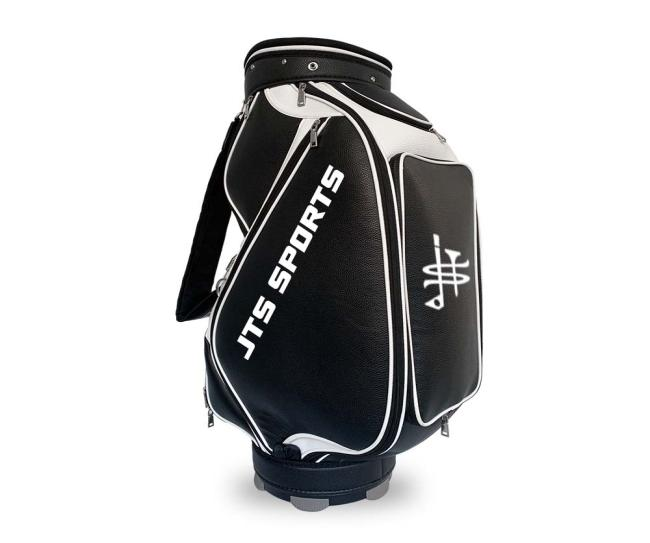
Tour Golf Bag

Large in size and luxurious in appearance, it is often seen in professional tournaments, carried by caddies. It is usually made of high-quality leather or durable nylon and printed with a striking brand logo or player’s name.The storage space is invincible and the aura is powerful, which can provide the best professional experience and brand display.Very heavy, expensive, and not suitable for walking.Suitable for professional players, low-handicap enthusiasts who pursue a sense of professionalism, or as a trophy collection.

Golf Cart Bag

Designed to be carried on a golf cart, they are typically heavier and more robust, with plenty of pockets, including dedicated compartments for coolant, rain gear, and electronics.Super storage capacity, excellent organization. Many models are equipped with 14-way full-length spacers to better protect each club.Suitable for golfers who often play golf in a golf cart and like to carry various equipment.

Golf Travel Bag

Thickened protective design with hard or soft shell construction ensures safe transportation of clubs. With rollers, it’s perfect for frequent golfers who frequently travel across regions.

Other types of golf bags can also be customized.

  1. Customize the color of the golf bag

A unique, colorful golf bag transcends functionality; it’s a statement of personal style, a symbol of team spirit, and a reflection of high-end taste. Color is a silent language. Passionate red, calming blue, vibrant orange, or even the colors of your alma mater or home team—they can all be perfectly expressed through a golf bag. A unified and unique team color scheme greatly enhances team members’ sense of belonging and team identity, serving as a mobile billboard. For high-end brands, color customization services embody their premium craftsmanship and customer-first approach.Owning a custom-colored golf bag is a status symbol in itself.

Choose the primary color for the bag. Classic black, white, and navy blue are timeless, while bolder colors like fluorescent yellow, moss green, and coral pink add a touch of personality. Use this for details like brand logos, zippers, stitching, straps, and pocket trim. A touch of bright color can instantly liven up a dark base. Some brands allow you to customize the color of different sections of the shaft divider, creating a more layered visual effect.

  1. Customize other

You can choose to have your initials, company logo, lucky charm, etc. embroidered or printed on your bag. Different colors will look different on different materials (such as nylon and leather), so please be aware of this beforehand.

Customizing a golf bag is the process of transforming an industrial product into a personal work of art. It carries your passion, your story, and your identity. While striving for a lower score, why not also make your equipment a unique addition to the golf course? Investing in a custom, colorful golf bag is more than just a purchase; it’s a supreme expression of your love for golf.

  1. Professional custom merchants

JTS is a company that specializes in customizing golf bags and other golf products. It has a dedicated factory for large-scale customization. Here, you can often get higher quality products at a cheaper price.

Whether it’s a personal golfer wanting to show off their individuality, or a golf club, company offering a gift, or team equipment, a golf bag embroidered with a logo, name, or specific slogan has unparalleled recognition and a sense of professionalism. It’s a mobile billboard.

Off-the-shelf products often use standard materials, but by working with a factory, you can choose higher-grade waterproof nylon, lightweight carbon fiber components, or even top-quality full-grain leather, improving the durability and texture of the product from the source.

For corporate gifts, golf tournament prizes or team uniform equipment, mass customization can not only ensure a unified professional image, but also effectively control costs through economies of scale.

You bring your ideas: design sketches, brand elements, functional requirements, target quantities, etc.The factory’s team of experts will communicate with you and provide technical advice, such as: Is your design easy to produce? Which material will best achieve the effect you want?The factory will make a sample according to your requirements. This is the key step for you to check the design, material and workmanship. Make modification suggestions until the sample fully meets your expectations.

Ready to turn your vision into reality? Contact us for a free, custom consultation and quote. Our team of experts is ready to bring your dream bag to life with expert craftsmanship.

To customize the right golf ball and its packaging, you can follow these steps and suggestions:

Steps to Customize Golf Balls

1.Choose a high-quality golf ball brand:

– Choose golf brands that are well-known and reliable in the market, such as TaylorMade, Bridgestone, etc. These brands typically offer golf balls in a variety of models and performance features to meet the needs of players of varying skill levels.

  1. Determine required performance:

– Choose a golf ball with the appropriate performance based on factors such as your swing speed, playing style, and court conditions. For example, a player with a high swing speed might choose a golf ball with longer carry and lower spin properties.

  1. Contact Customization Service:

– Many golf ball brands or specialized customization service providers offer golf ball customization services. You can contact them through the official website, phone, email, etc. to learn about the customization process, prices, and optional design elements.

  1. Design custom patterns:

– In the customization service, you can design your own pattern, logo or text and have it printed on the golf ball. These design elements should be clear, concise, and consistent with the rules and requirements of the game of golf.

  1. Confirm order and pay:

– After the design is completed, confirm the order information, including quantity, price, delivery time, etc., and make payment. Once payment is completed, the customized golf ball will enter the production process.

Steps to customize packaging

  1. Select packaging materials:

– Choose materials suitable for golf ball packaging, such as high-quality paper boxes, plastic boxes or metal boxes, etc. These materials should have certain pressure resistance, moisture resistance and aesthetics.

  1. Design packaging pattern:

– Likewise, you can design your own pattern, logo or text and have it printed on the packaging. These design elements should echo the design on the golf ball to form a unified brand image.

  1. Contact Packaging Service Provider:

– If you do not have the packaging production capabilities, you can contact a professional packaging service provider for customization. They can provide suitable packaging solutions based on your design requirements and needs.

  1. Confirm packaging samples and produce:

– Before mass production, the packaging service provider can be asked to provide samples for confirmation. After confirmation, mass production will begin.

Precautions

Compliance: Ensure that customized golf balls and packaging comply with the laws and regulations of relevant countries and regions, especially those regarding intellectual property and trademark protection.

Quality Inspection: During the customization process, samples must be quality checked to ensure that the quality of the golf balls and packaging meet the requirements.

– Cost Control: During the customization process, costs must be reasonably controlled to avoid excessive waste and unnecessary expenses.

With the above steps and suggestions, you can customize the golf ball and its packaging to suit your needs. These customized golf balls can not only be used in competitions, but can also be used as corporate promotions, brand promotions or personal collections. [DONE]

If you’ve ever watched a professional golf tournament or played a round of golf yourself, you may have noticed players using small objects to mark the position of their golf balls on the green. These objects are called golf ball markers, and they play a crucial role in the game of golf. In this blog post, we’ll take a closer look at what golf ball markers are, why they’re important, and how to use them correctly.​

What is a Golf Ball Marker?​

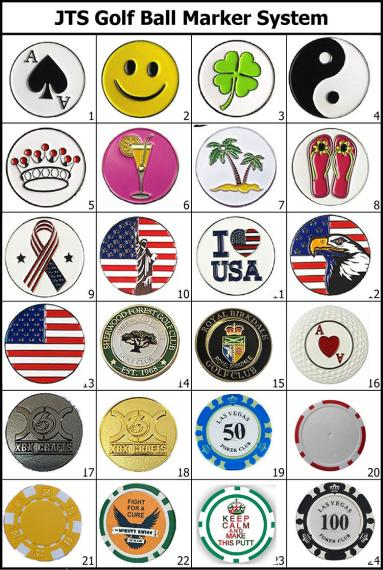
A golf ball marker is a small object that is used to mark the position of a golf ball on the green. It is typically placed behind the ball, and the ball is then lifted so that other players can putt without interference. Golf ball markers can be made of a variety of materials, including plastic, metal, wood, or even coins. They come in a wide range of shapes, sizes, and designs, and some golfers even choose to use personalized markers to add a touch of style to their game.​

Why are Golf Ball Markers Important?​

Golf ball markers are important for several reasons. First and foremost, they help to ensure fair play. By marking the position of the ball, players can be sure that it is replaced in the same spot after it has been lifted. This helps to prevent any disputes or arguments about the ball’s original position. Additionally, golf ball markers can help to speed up play. By allowing players to lift their balls and clean them, golf ball markers can prevent delays caused by dirty or muddy balls. Finally, golf ball markers can be a useful tool for golfers who are trying to improve their game. By marking the position of the ball, golfers can get a better sense of their putting line and make more accurate putts.​

How to Use a Golf Ball Marker​

Using a golf ball marker is relatively simple. When it’s your turn to putt, place the marker directly behind your ball. Make sure that the marker is close enough to the ball so that you can easily see it, but not so close that it interferes with your putt. Once the marker is in place, lift the ball and clean it if necessary. When it’s time to putt, replace the ball in front of the marker and align your putt as usual. Once you’ve made your putt, remove the marker from the green.​

Rules and Etiquette​

There are a few rules and etiquette guidelines that you should follow when using a golf ball marker. First, make sure that you place the marker directly behind the ball. Placing the marker to the side or in front of the ball is considered a violation of the rules. Additionally, make sure that you lift the ball carefully and replace it in the same spot. If you accidentally move the ball while lifting it, you may be subject to a penalty. Finally, be respectful of other players and their putts. Make sure that you remove your marker from the green as soon as you’ve made your putt, and avoid standing on or near another player’s putting line.​

Types of Golf Ball Markers​

There are many different types of golf ball markers available on the market. Some of the most common types include:​

  • Coin Markers:These are the simplest and most basic type of golf ball marker. They are typically made of metal or plastic and are designed to look like coins.​
  • Plastic Markers:These markers are lightweight and easy to carry. They come in a variety of colors and designs, and some even have built-in divot tools.​
  • Metal Markers:These markers are more durable than plastic markers and are often used by professional golfers. They come in a variety of shapes and sizes, and some even have engraved designs.​
  • Wooden Markers:These markers are made of wood and are often used by golfers who prefer a more natural look. They come in a variety of shapes and sizes, and some even have personalized engravings.​
  • Novelty Markers:These markers are designed to be fun and unique. They come in a variety of shapes and sizes, and some even look like animals, sports teams, or other objects.​

Where to Buy Golf Ball Markers​

Golf ball markers can be purchased at most golf shops, sports stores, and online retailers. They are relatively inexpensive, and you can find a wide variety of options to choose from. Some golf courses even sell personalized golf ball markers as a souvenir or gift.​

if you want customized your own golf ball marker you also can contact us to start a business

We supports customized your own size/ shape design welcome to contact us


In the intricate world of golf, every detail matters, and the humble golf grip is no exception. Your choice of grip can significantly impact your performance on the course, influencing everything from club control to shot accuracy. In this blog post, we’ll delve into the various types of golf grips, how to choose the right one for your game, and when it might be time to consider a replacement.

Types of Golf Grips

Rubber Grips

Rubber grips are the most common type found on golf clubs. They offer a good balance of tackiness and durability, providing a secure hold without being overly sticky. Brands like Golf Pride are well – known for their rubber grips, such as the Tour Velvet model. Rubber grips are an excellent choice for golfers who spend a lot of time at the range, as they tend to maintain their texture well even after repeated use. However, in wet conditions, their performance may be slightly compromised.

Cord Grips

Cord grips combine rubber with a cord – like material, typically cotton or a synthetic alternative. This design enhances traction, making them ideal for golfers who play in various weather conditions or those who prefer to play without a glove. The corded texture helps keep the club firmly in hand, reducing the risk of slippage during the swing. Examples of popular cord grips include the Golf Pride Tour Velvet Full Cord and the Lamkin UTX Solid Cord. These grips are favored by many professional players for the added control they offer.

Synthetic Grips

Synthetic grips are made from a variety of man – made materials, such as polyurethane or silicone. They often provide excellent shock absorption, which can be beneficial for golfers with wrist or hand issues, like arthritis. Brands like SuperStroke and Winn are leaders in synthetic grip technology. The SuperStroke Cross Comfort and Winn Dri – Tac are top – rated synthetic grips that offer both durability and a comfortable feel. Synthetic grips also tend to be more resistant to wear and tear compared to traditional rubber grips.

Leather Grips

Leather grips, although less common, offer a classic and luxurious feel. They are soft to the touch and conform well to the hand over time. However, leather grips require more maintenance as they can absorb moisture and may lose their grip in wet conditions. They are often preferred by golfers who value a traditional aesthetic and a more refined feel during the swing.

Choosing the Right Grip Size

The size of your golf grip is crucial for optimal performance. A grip that is too small can cause your hands to over – rotate during the swing, leading to inconsistent shots. On the other hand, a grip that is too large can restrict wrist movement and make it difficult to release the club properly.

To determine the right grip size for you, measure the distance from the tip of your middle finger to the base of your palm. Here are some general guidelines:

  • 5 – 6.5 inches: Undersized grips are recommended.
  • 5 – 7.5 inches: Standard – sized grips are likely to be a good fit.
  • 5 – 9 inches: Midsize grips may be more suitable.
  • 9+ inches: Jumbo grips are the way to go.

It’s important to note that these are just general guidelines, and personal preference also plays a role. Some golfers may find that they prefer a slightly larger or smaller grip size based on their swing style and comfort level.

Other Factors to Consider

Texture

The texture of the grip affects how it feels in your hand and how well you can hold the club. Grips with a rougher texture, like cord grips, offer more traction but may be less comfortable for some players. Smooth – textured grips, on the other hand, provide a softer feel but may not be as effective in wet conditions. Consider your playing environment and personal comfort when choosing a grip texture.

Weight

Grip weight can impact the overall balance of your club. Lighter grips may be preferred for golfers looking to increase clubhead speed, while heavier grips can provide more stability. Some manufacturers offer grips with adjustable weights, allowing you to fine – tune the balance of your clubs to suit your swing.

Alignment Aids

Some grips come with alignment aids, such as a raised ridge or a colored stripe. These can be helpful for golfers who struggle with consistent hand placement on the club. Alignment aids can assist in ensuring that your hands are in the correct position at address, leading to more consistent swings.

When to Change Your Grips

Over time, golf grips can wear out and lose their effectiveness. Here are some signs that it may be time to change your grips:

  • Loss of Traction: If your grip feels slippery, even in dry conditions, it’s a clear indication that the grip’s texture has deteriorated.
  • Visible Wear and Tear: Cracks, fraying, or excessive dirt on the grip are signs that it’s no longer in good condition.
  • Change in Feel: If the grip no longer feels comfortable or if you notice a significant difference in the way the club feels in your hand, it may be time for a replacement.

As a general rule, it’s a good idea to change your grips at least once a year, especially if you play frequently. Regularly replacing your grips can help maintain your performance on the course and ensure that you have the best possible connection with your clubs.

In conclusion, choosing the right golf grip is a crucial aspect of optimizing your game. By considering factors such as grip type, size, texture, and weight, you can find a grip that suits your playing style and preferences. And don’t forget to keep an eye on the condition of your grips and replace them when necessary. With the right grip in hand, you’ll be well on your way to improving your scores and enjoying the game of golf even more.


Introduction

Golf is often perceived as a leisurely sport for retirees or business professionals, but it offers far more benefits than just networking or relaxation. Whether you’re a beginner or an experienced athlete, learning golf can improve your physical health, mental well-being, and social life. In this blog, we’ll explore the many advantages of playing golf and why you should consider taking up this rewarding sport


1. Physical Health Benefits

a. Low-Impact Exercise

Unlike high-intensity sports such as running or basketball, golf is a low-impact activity that is gentle on the joints. Walking the course (instead of using a cart) provides excellent cardiovascular exercise without excessive strain. A typical 18-hole round can involve walking 4-6 miles, helping you stay active without risking injury.

b. Improves Strength and Flexibility

Swinging a golf club engages multiple muscle groups, including the core, arms, legs, and back. Over time, regular play enhances muscle tone, flexibility, and balance. Proper technique also promotes better posture, reducing the risk of back pain.

c. Boosts Cardiovascular Health

Walking the course increases heart rate, improving circulation and reducing the risk of heart disease. Studies show that golfers who walk the course regularly have better cholesterol levels and lower risks of stroke and diabetes.

d. Enhances Hand-Eye Coordination

Golf requires precision and control, which sharpens hand-eye coordination. The repetitive motion of swinging and putting trains the brain to improve focus and motor skills, benefiting other areas of life as well.

2. Mental and Emotional Benefits

a. Reduces Stress and Anxiety

Spending time outdoors in a green, open environment has been proven to lower stress levels. The combination of fresh air, sunlight, and light exercise releases endorphins, improving mood and reducing anxiety.

b. Improves Concentration and Patience

Golf is a game of strategy and precision. Each shot requires careful calculation, focus, and patience. Over time, players develop better concentration skills, which can translate to improved performance in work and daily life.

c. Builds Mental Resilience

Golf is as much a mental game as it is physical. Missing a shot or facing a challenging course can be frustrating, but learning to stay calm and composed builds mental toughness. This resilience helps in handling pressure both on and off the course.

d. Encourages Mindfulness

Unlike fast-paced sports, golf allows for moments of reflection between shots. Many players find it meditative, helping them stay present and mindful—a great way to disconnect from daily stressors.

3. Social Benefits

a. Networking Opportunities

Golf is known as a “business sport” because it provides a relaxed setting for networking. Many professionals use golf outings to build relationships with clients and colleagues in a non-office environment.

b. Strengthens Friendships and Family Bonds

Golf is a social sport that can be enjoyed with friends and family. Unlike competitive sports where players are opponents, golf allows for conversation and camaraderie, making it a great bonding activity.

c. Inclusive for All Ages

One of the best aspects of golf is that it can be played at any age. Unlike contact sports that become difficult with age, golf is a lifelong activity. Families can play together, and seniors can stay active without excessive physical strain.

d. Teaches Sportsmanship and Etiquette

Golf emphasizes honesty, integrity, and respect for others. Players learn to follow rules, maintain etiquette, and handle wins and losses gracefully—valuable lessons that apply beyond the sport.

4. Professional and Personal Development

a. Enhances Decision-Making Skills

Every shot in golf requires strategic thinking—club selection, swing technique, and course management. These decisions improve critical thinking and problem-solving abilities.

b. Builds Discipline and Persistence

Mastering golf takes time and practice. Players learn the value of persistence, discipline, and continuous self-improvement—qualities that are beneficial in personal and professional growth.

c. Provides a Healthy Escape from Screen Time

In today’s digital world, golf offers a refreshing break from screens. Spending hours outdoors without distractions can improve mental clarity and reduce digital fatigue.

d. Boosts Confidence

Progressing in golf—whether by lowering your handicap or mastering a difficult shot—builds confidence. Achieving small victories on the course can translate to greater self-assurance in other areas of life.

5. Long-Term Benefits

a. Lifelong Sport

Many sports become difficult to play with age, but golf is an exception. It’s a sport you can enjoy well into your 70s, 80s, and beyond, keeping you active and socially engaged.

b. Travel and Leisure Opportunities

Golf is played worldwide, offering opportunities to explore new courses and destinations. Many resorts and vacation spots feature golf courses, making it a great addition to travel plans.

c. Potential for Competitive Play

For those who enjoy competition, golf offers tournaments at all levels—from local club events to professional leagues. Competitive play can be motivating and rewarding.

d. Environmental Appreciation

Golf courses are often set in beautiful landscapes, fostering an appreciation for nature and outdoor conservation.

Conclusion

Learning golf is more than just picking up a new hobby—it’s an investment in your physical health, mental well-being, and social life. From improving fitness and reducing stress to building relationships and enhancing professional skills, the benefits of golf are vast and long-lasting. Whether you’re looking for a new way to stay active, a mental challenge, or a social sport, golf is a fantastic choice.

So why wait? Grab a set of clubs, hit the driving range, and discover the many rewards that golf has to offer!