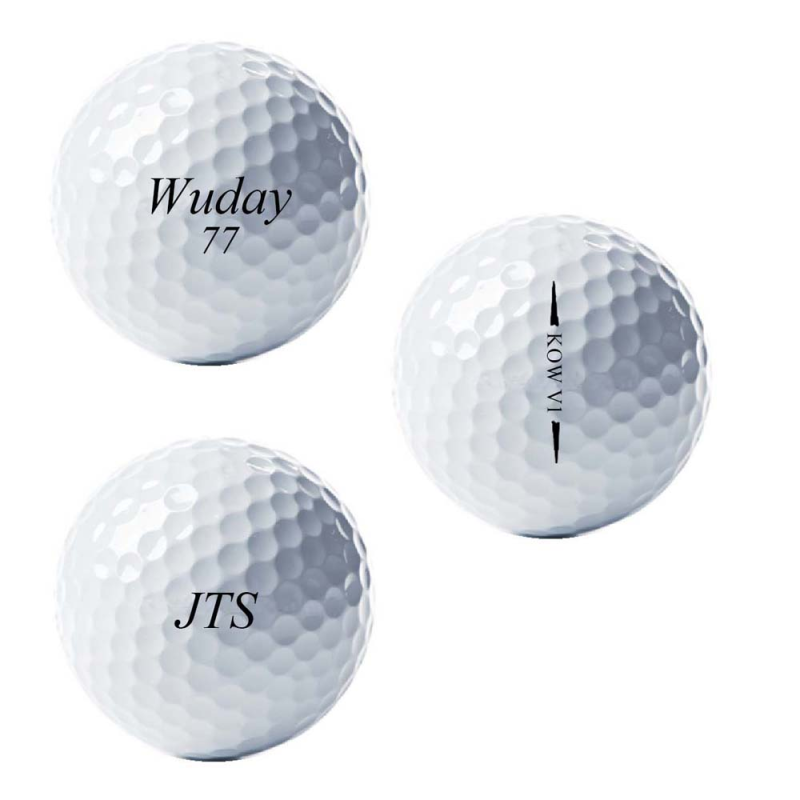
Every golf ball is a masterpiece of material science and fluid dynamics. While it may appear simple on the outside, its internal architecture tells a far more complex story. From the entry-level 2-piece ball to the tour-caliber 5-piece model, variations in layers and materials profoundly impact distance, feel, and control. These performance differences are ultimately rooted in sophisticated manufacturing processes that transform raw rubber into precision sporting equipment.
Structural Hierarchy: The Performance Ladder from 2 to 5 Layers
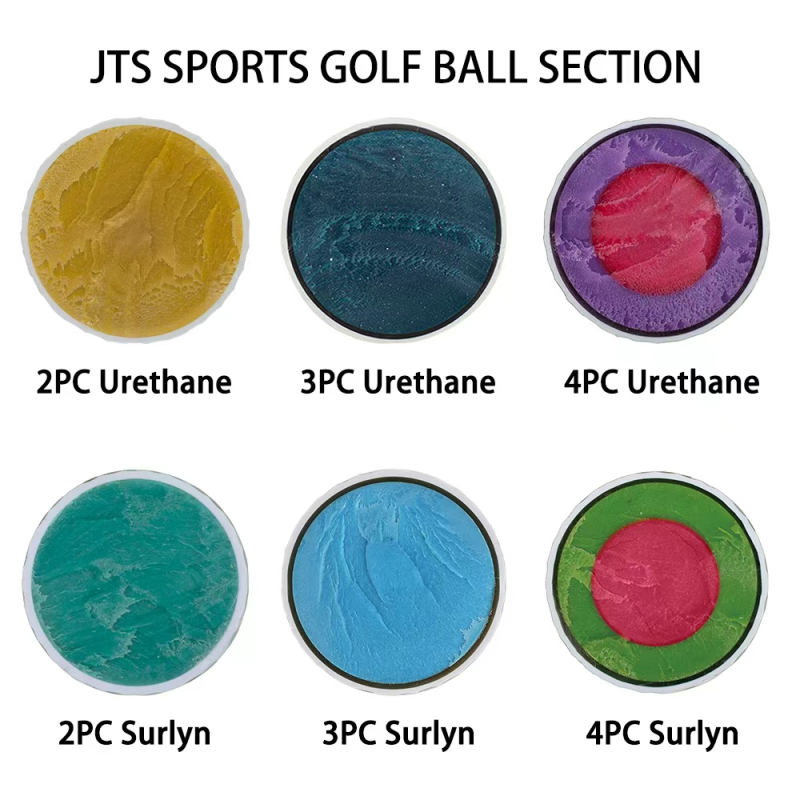
The layering of a golf ball is fundamentally about balancing performance across different shot scenarios. More layers generally mean greater complexity, with the goal of optimizing distance off the tee, iron control, and stopping power on the greens simultaneously.
2-Piece Balls dominate the market as the workhorse of the industry. They consist of a large solid rubber core and a single outer cover layer. Their primary advantage is maximum distance. Due to the simple construction, energy transfer is highly efficient, producing high ball speed with low spin, resulting in longer, straighter trajectories. Most 2-piece balls use a Surlyn cover—an ionomer resin known for its exceptional durability and cut resistance. They are affordable, extremely resilient, and ideal for beginners and high-handicap players seeking distance and forgiveness.
3-Piece Balls introduce an additional mantle layer between the core and the cover. This intermediate layer fine-tunes the ball’s performance characteristics. The key advantage is enhanced workability. The softer construction generates more spin on iron and wedge shots, allowing better players to shape shots and hold greens more effectively. 3-piece balls are the preferred choice for mid-to-low handicappers and many tour professionals who need both distance and precision.
4-Piece and 5-Piece Balls represent the pinnacle of golf ball engineering. They incorporate multiple mantle layers, each serving a distinct function. For instance, the innermost core maximizes energy conversion for high clubhead speeds to boost ball velocity, while the outer mantle layers are engineered to generate high spin on short-game shots. These balls are exceptionally soft yet capable of maintaining elite-level distance, achieving a near-perfect union of control and length. Reserved for the game’s elite—players with fast swing speeds and advanced shot-shaping abilities—these multilayer designs are often custom-tailored. Reports have indicated that Tiger Woods himself used a specially formulated 5-piece ball designed exclusively for his swing dynamics.
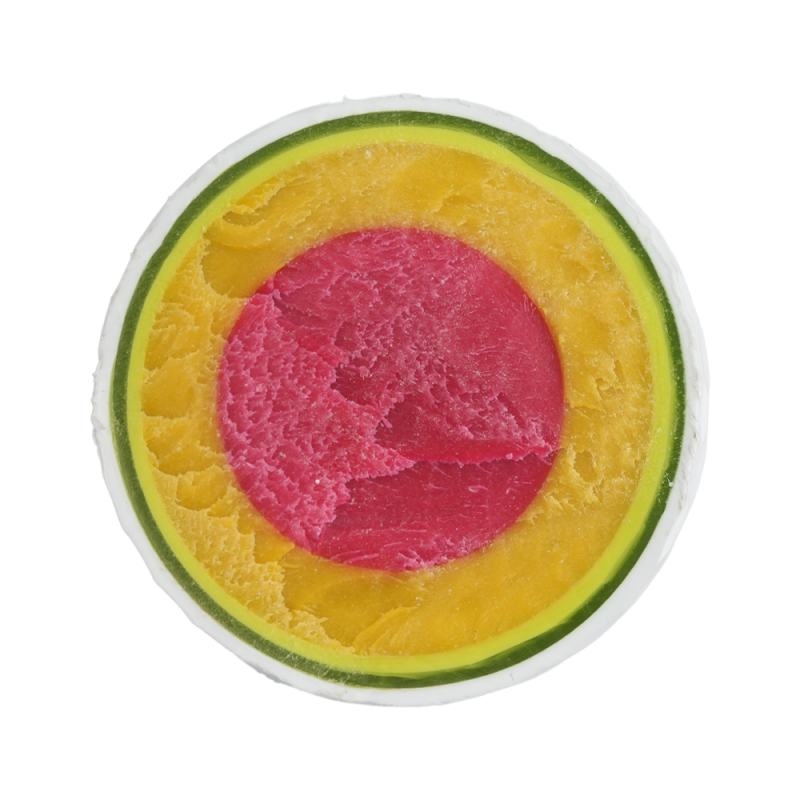
The Material Debate: Surlyn vs. Urethane
The cover material dictates the most immediate sensory feedback and overall durability of a golf ball. Today’s market is dominated by two distinct choices: Surlyn and Urethane.
Surlyn is an ionomer resin originally developed by DuPont. It is renowned for its hardness, exceptional durability, and high cut and abrasion resistance. Because it transfers energy with minimal loss, Surlyn-covered balls consistently produce longer distances—particularly beneficial for players with moderate swing speeds. More than 90% of all golf balls sold worldwide feature Surlyn covers. The trade-off, however, is a firmer feel and lower spin rates on approach shots, which limits greenside control. For this reason, Surlyn is almost exclusively used on 2-piece and some 3-piece “distance-oriented” models.
Urethane is a softer, more resilient elastomer that has become the cover of choice for premium tour-level balls. Its paramount advantage lies in providing exceptional feel and high spin rates, especially on partial wedges and pitches. This allows skilled players to stop the ball quickly on firm greens, executing precision shot-making with confidence. However, urethane covers are more expensive to produce and less durable than Surlyn, showing greater susceptibility to scuffs and cuts. Nonetheless, the level of “workability” they offer is indispensable for competitive golfers. Titleist’s Pro V1 series, for example, employs a thermoset polyurethane cover, cured through a complex chemical reaction within the mold to guarantee unparalleled performance consistency.
Manufacturing: From Raw Rubber to Performance Art
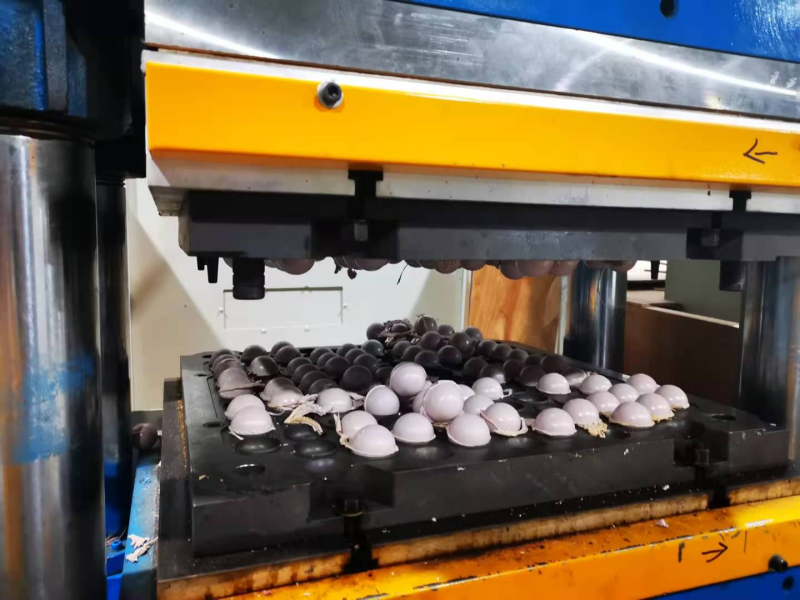
The production of a modern golf ball is a precision engineering process. It begins with the core, where natural and synthetic rubbers are combined with zinc acrylate, cross-linking agents, and fillers. This mixture is extruded and cut into preforms, then compression-molded under high heat to vulcanize and cure the core to exact hardness specifications. For multi-layer constructions, each mantle layer is subsequently injection-molded or compression-molded around the core, with each layer’s thickness and material formulation carefully calibrated to modulate spin and compression.
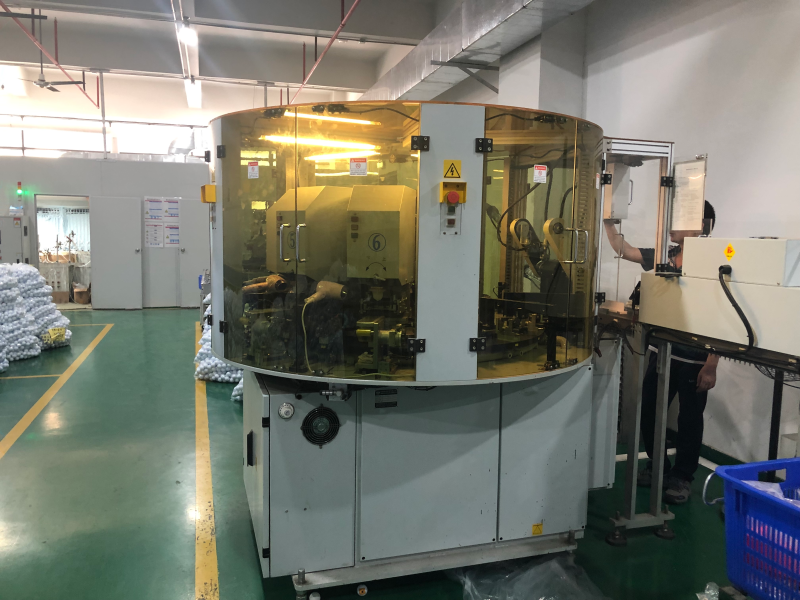
The cover application represents a critical divergence in manufacturing methods. For Surlyn covers, injection molding is standard: the molten ionomer resin is injected into a mold cavity containing the core, forming a seamless cover. For urethane covers, two principal techniques exist: cast molding and thermoplastic injection. Cast thermoset urethane—the more technically demanding process—involves pouring liquid urethane components into a mold, where they cure chemically to form a thin, resilient shell. This method yields superior performance characteristics but requires meticulous process control.
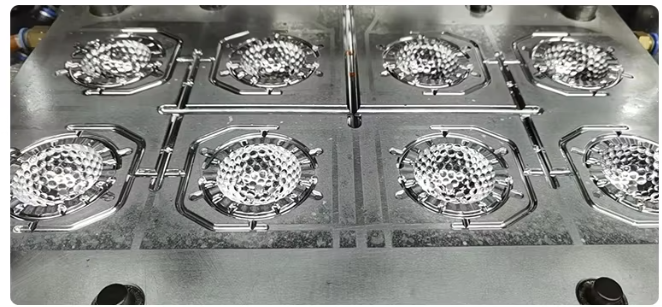
The final, and visually defining, step is dimple design and finishing. Golf ball surfaces feature 300 to 500 precisely engineered dimples that optimize aerodynamics by reducing drag and enhancing lift. The depth, diameter, and arrangement patterns—such as Titleist’s renowned 352 tetrahedral dimple design—are rigorously wind-tunnel tested to achieve specific launch angles, peak heights, and overall stability. After dimpling, each ball undergoes a multistage finishing process: it is primed, painted with the brand and model markings, and finally coated with a clear topcoat to enhance gloss, durability, and scuff resistance.
Conclusion
Though compact, the golf ball encapsulates the finest achievements in polymer chemistry and aerodynamic engineering. From Surlyn’s durable distance to Urethane’s soft precision, and from the 2-piece’s uncompromising length to the 5-piece’s ultimate control, every ball is meticulously designed to match a distinct player profile and skill level. Choosing the right ball is akin to selecting a trusted partner—one that understands your swing, complements your strengths, and enhances your enjoyment on the course. As manufacturing technologies continue to evolve, the quest for the perfect ball remains an enduring, fascinating pursuit at the heart of this timeless sport.