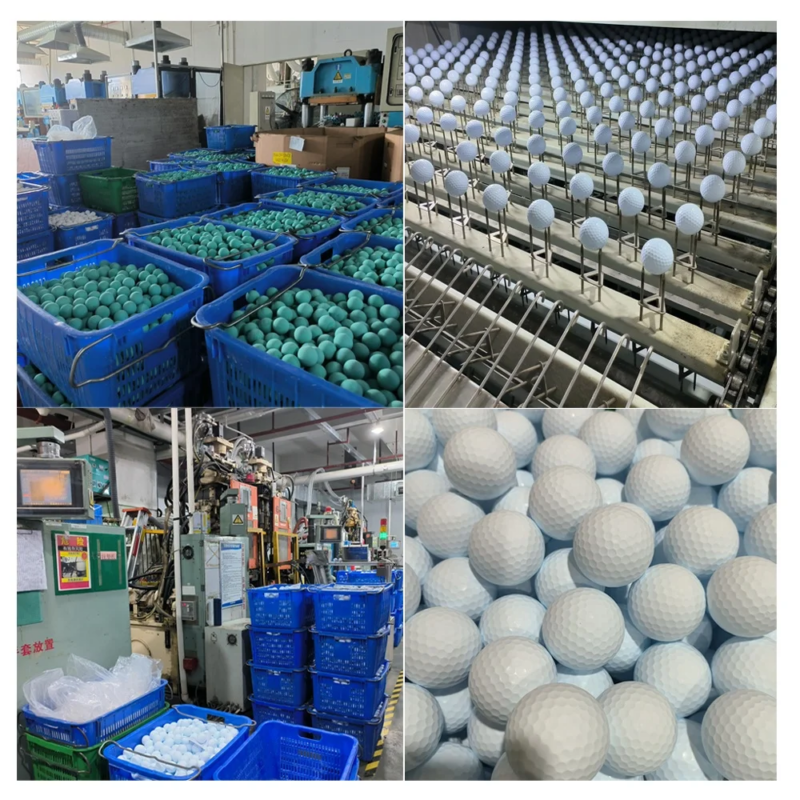
As Yin Ruoning claimed another dramatic comeback victory at the Buick LPGA Championship and junior golf tournaments keep popping up across China, golf is stepping out of its niche circle. Many golf fans focus on star players’ swings and new driver releases, yet overlook the most fundamental piece in every round: the golf ball itself. A small white ball’s material, construction and dimple pattern can transform your drive distance, wedge feel and putting performance, and it remains a hot topic in the golf gear community.
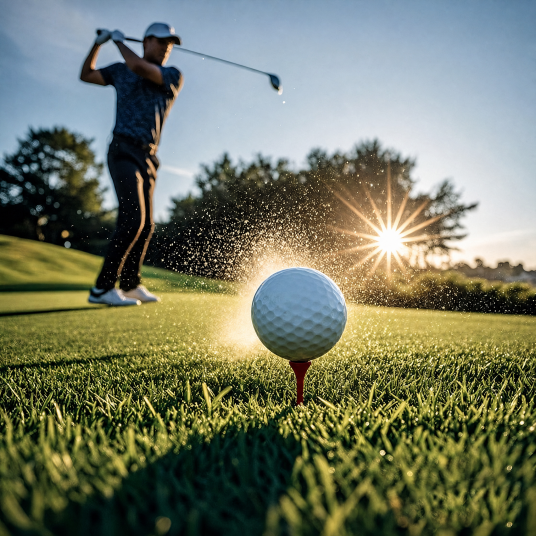
A trending industry discussion lately comes from USGA and R&A’s new regulations on ball flight distance. The governing bodies aim to strike a balance between technical innovation and the soul of golf. If balls keep flying farther, courses will have to keep extending, and the strategic charm of the game fades away. The new rules are not meant to restrict top players, but to bring ball performance into a reasonable range, encouraging both pros and amateurs to value shot strategy rather than raw equipment distance. It pushes golfers to rethink one question: what golf ball fits your game? More layers and higher price tags do not always equal better performance.
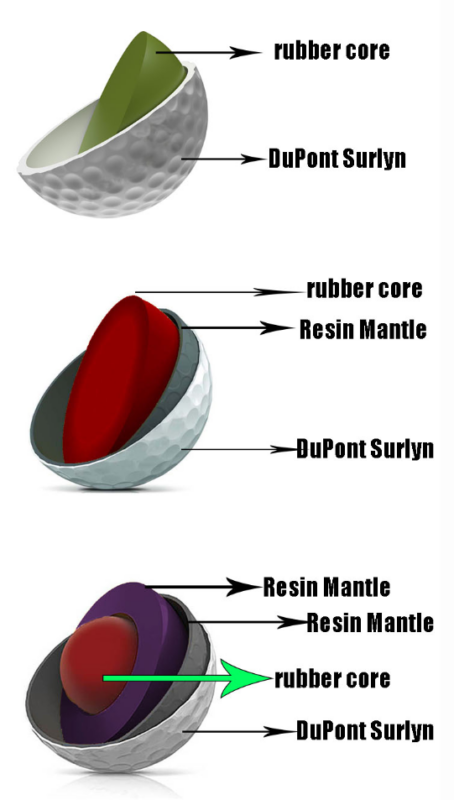
Golf ball covers mainly fall into two categories: Surlyn ionomer resin and urethane, with 2-piece, 3-piece or multi-layer inner structures. The 2-piece Surlyn ball is the mainstream option. Its tough cover resists scuffs and cuts, delivers low spin and reliable roll, offers great forgiveness and friendly pricing. It works perfectly for driving range sessions, beginners and casual weekend golfers, and it is also widely used for custom promotional gifts. Mid-handicap players who do not play every week rarely need premium tour balls; a consistent durable Surlyn ball will bring a much smoother experience on the course.
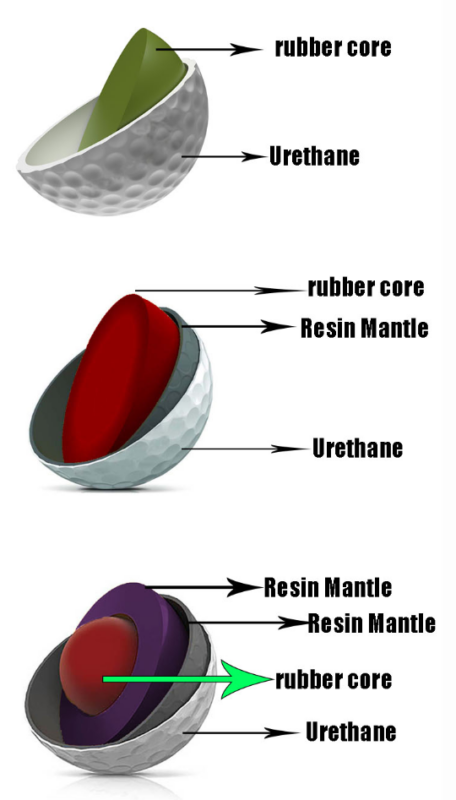
3-piece, 4-piece or 5-piece urethane balls are preferred by tour players and low-handicap golfers. The soft urethane cover generates higher spin on approach shots and wedges, helping the ball stop quickly on the green with a soft feel. The downside is clear: the soft shell scratches easily and wears out fast, which pushes up the cost. Many amateur golfers buy tour-level multi-layer balls blindly. Without enough swing speed, they cannot get the desired spin, wasting money on balls that get marked after a few holes. To put it simply: choose urethane multi-layer balls only if you have fast swing speed and focus on short-game control. Go for Surlyn when durability, distance and value are your priority.
The dimples on the surface are designed with aerodynamic logic. Carefully arranged dimples disrupt airflow and reduce drag for stable flight. Different dimple layouts create high trajectory for windy days or low trajectory for extra roll. Custom logo printing on golf balls is also popular for events, brands and corporate gifts, blending performance with branding.
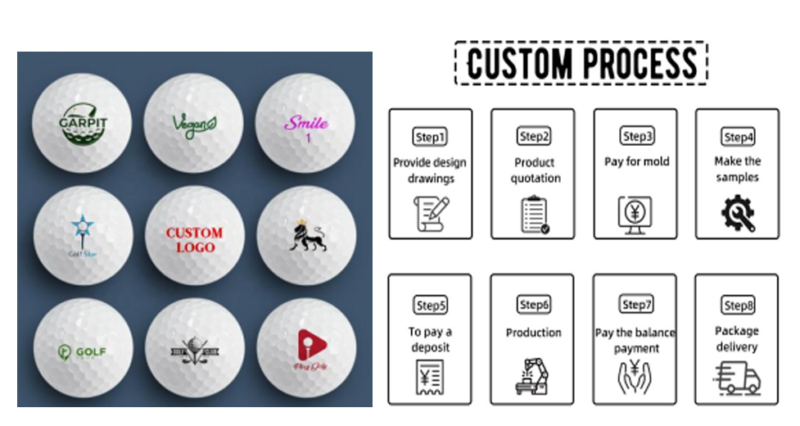
Golf culture is evolving too. Indoor simulators are booming, and junior golf events attract more young players. Coaches usually start kids on tough 2-piece balls that can take repeated hits. Custom golf sets with tees and ball markers are also a favourite in the gift and export market. Golf balls are no longer just consumables; they become a way to share passion and showcase brands.
Golf is never an arms race for gear. Yin Ruoning wins tournaments with steady rhythm and sharp decision-making, not just ultra-high-performance balls. The little white ball teaches the core spirit of golf: patience, trade-off and adaptation. Experienced golfers switch balls based on wind and hole location. Amateur players should avoid chasing pro models blindly and match the ball to their swing.
Grab durable Surlyn 2-piece balls for casual rounds and range practice. Try soft multi-layer balls only when you regularly shoot under 90 and polish your short game. Find the ball that matches your rhythm, and every swing will feel calmer. That is the quiet magic of golf.