
Put three different golf balls on the first tee and they may not feel dramatically different at first. Hit a driver well and all three can produce a strong flight. The differences become easier to notice as the hole gets shorter.
Now move to a 7-iron into the green. Then hit a 50-yard wedge. Finally, roll a few putts. The way the ball launches, how quickly it comes off the face, how much it releases after landing and how it feels at impact can start to separate one construction from another.
That is a more useful way to think about golf ball construction than simply asking whether a 4-piece ball is “better” than a 2-piece ball. Layer count matters, but only because it helps engineers tune different parts of the ball for different jobs.

Start with a simple on-course test
If you are comparing golf balls for a retail line, a club program or a custom order, do not begin with a spec sheet. Begin with four shots: driver, mid-iron, short wedge and putter.
On the driver, look at launch, flight shape and whether the ball feels firm or soft at impact. With a mid-iron, watch whether the flight looks strong and predictable. From 40 to 60 yards, pay attention to the first bounce and how far the ball releases. On the green, listen to the sound and notice the feedback off the putter face.
Those four moments tell golfers far more than the phrase “multi-layer construction” ever will.
What a 2-piece ball feels like in real play
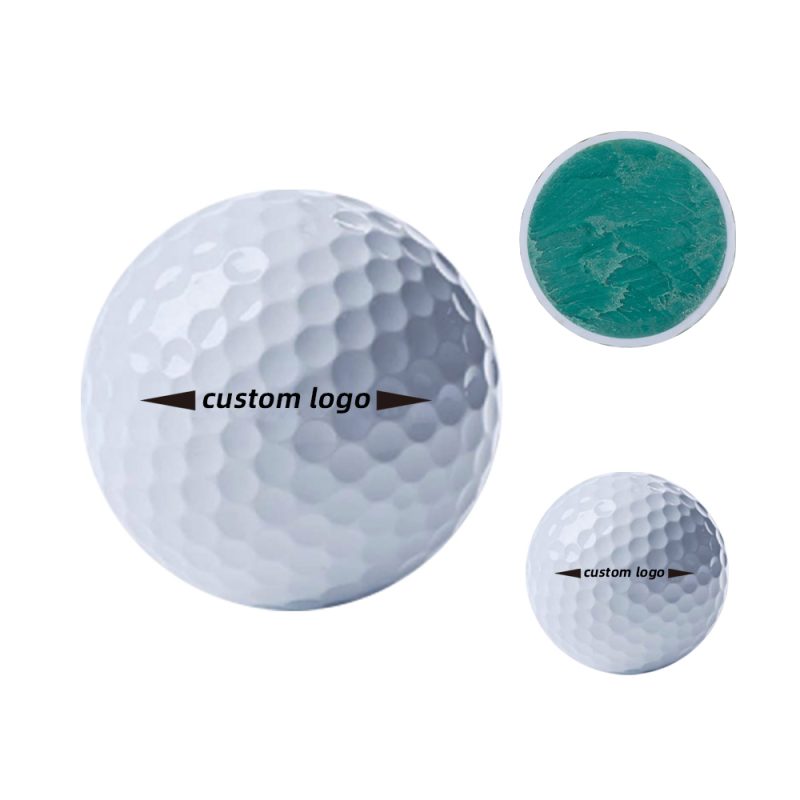
A typical 2-piece ball has a large core and one outer cover. It is a straightforward design, and that simplicity is part of its appeal.
Imagine a recreational golfer playing a wide par 4. Off the tee, a durable 2-piece ball may feel lively and easy to launch. The player is not trying to shape a low fade around a tree; the goal is simply to get the ball moving down the fairway with a predictable flight.
Later, that same golfer misses the green and has a 35-yard pitch. This is where the trade-off can become more noticeable. A firmer, lower-spin cover may land, take a bounce and release farther than a softer urethane-covered ball. For a beginner or casual golfer, that may be completely acceptable. They may care more about durability, price and not having to replace a scuffed ball after a few holes.
That is why a 2-piece ball should not be described as a “beginner ball” and left at that. Its real strength is simple, durable performance for golfers who value distance, lower spin and long service life.
Where a 3-piece ball starts to feel different
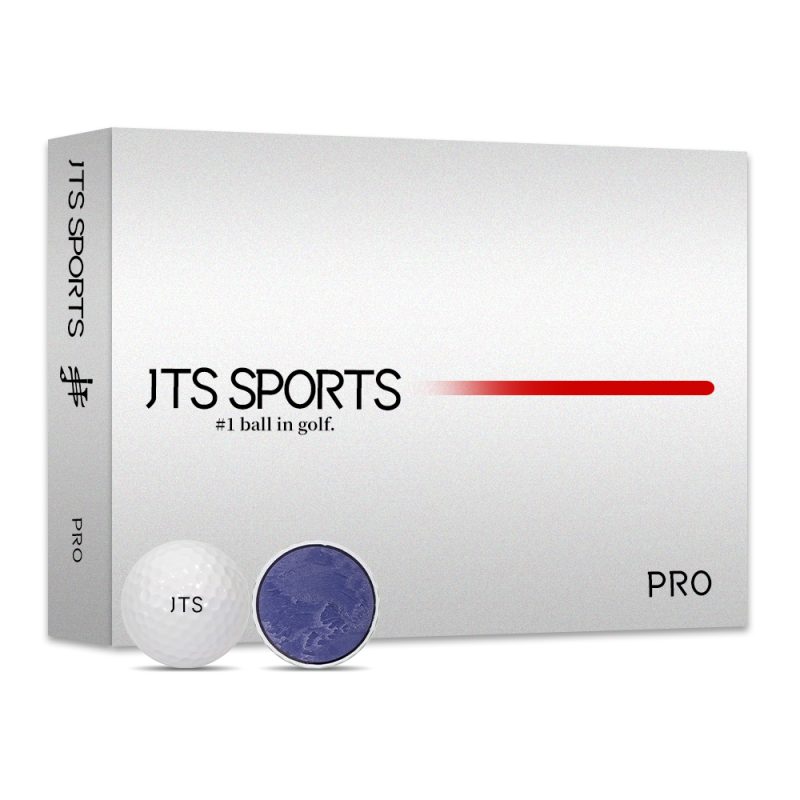
Now take the same sequence of shots with a 3-piece ball. The extra layer between the core and the cover gives the design more room to separate long-game and short-game behavior.
A golfer may still see plenty of speed off the driver, but the more interesting moment often comes on the approach. Picture a 90-yard wedge to a front pin. Instead of planning for the ball to land and run, the player can choose a shot that lands closer to the target and expects a little more check.
That does not happen because “three layers create spin” by themselves. Cover material, compression, mantle design and dimple pattern all play a part. But in practice, many 3-piece urethane balls are built to give golfers a softer feel and more control on scoring shots without giving up the distance they expect from the tee.
For golfers who spend time practicing wedges, pitches and chips, that difference can be easier to appreciate than an extra yard or two on a launch monitor.
What the fourth layer is trying to do
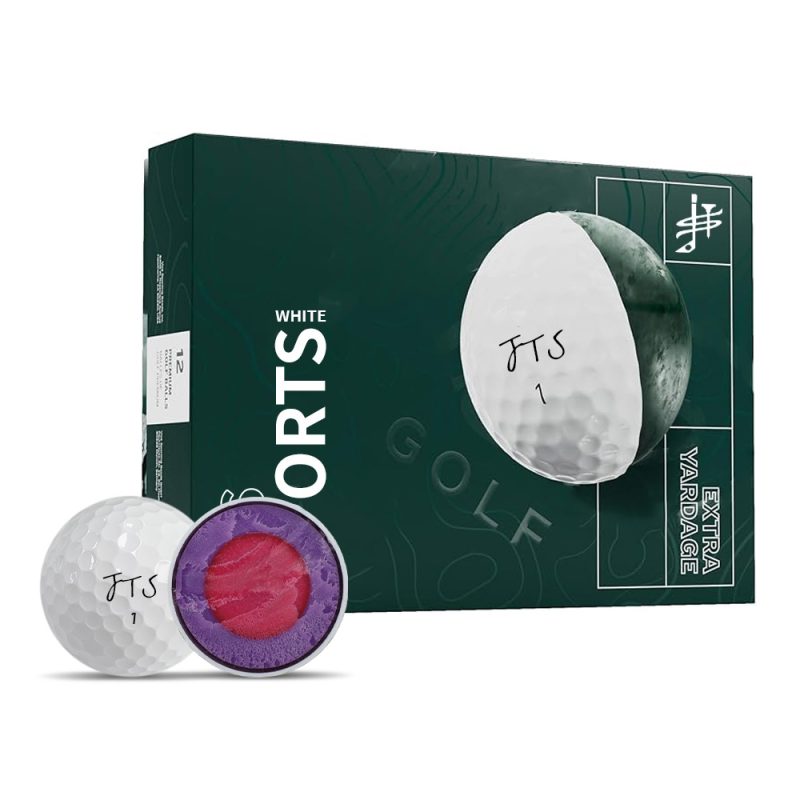
A 4-piece golf ball adds another layer that can be used to fine-tune how the ball responds to different impact speeds.
Think about the difference between a driver moving at high speed and a half wedge from 60 yards. Those are very different collisions. A multi-layer design gives engineers more ways to manage energy transfer, spin and feel across that range of shots.
For a golfer with higher swing speed, the useful question is not “Do I need four layers?” It is “Can I keep the long-game flight I want while getting the response I want into and around the green?”
That is why a 4-piece ball makes the most sense when the golfer can actually feel and use the extra separation in performance. A player who rarely controls trajectory or spin may not gain much from choosing by layer count alone.
Surlyn or urethane? Think about the shot after the drive
The cover is the part of the golf ball the club actually touches, so the Surlyn-versus-urethane question becomes very practical once you move closer to the green.
Picture two balls landing on a firm green from the same 50-yard pitch. A firmer Surlyn-covered ball will often be chosen for durability and a lower-spin profile. A urethane-covered ball is usually selected when softer feel and more short-game control are priorities.
The important point is not that one material wins every time. A golfer playing a casual scramble may happily choose a durable Surlyn ball and never miss the extra greenside spin. Another golfer trying to land a wedge beside a tucked pin may care much more about how quickly the ball slows after the first bounce.
For a shop, club or golf brand, that is the language customers understand: not “polymer chemistry,” but “Will this ball release or check when I pitch it onto the green?”
A Saturday foursome is a better product test than a spec comparison
A useful ball test can be surprisingly simple. Give the same golfer two or three models and ask them to play the same type of shots.
Start on the tee, but do not stop there. Hit a mid-iron to a green. Drop a few balls at 70 yards. Try a low chip that needs to run and a higher pitch that needs to stop. Finish with putts from five and twenty feet.
Then ask practical questions: Which ball was easiest to predict? Which one sounded too firm? Which one gave enough feedback without feeling heavy? Did the cover still look good after bunker shots and cart-path contact? Could the golfer actually tell the models apart?
This kind of testing is especially useful before a larger custom order because it connects the product specification to a real playing experience.
How JTS Sports fits into the decision
JTS Sports offers 2-, 3- and 4-layer golf ball options using Surlyn and urethane constructions. That gives buyers room to build an everyday model, a softer performance option or a more performance-led tour-style ball without forcing every customer into the same specification.
The sensible next step is not to choose a ball from the layer count alone. JTS Sports can provide custom sample balls before mass production, so the buyer can compare actual feel, flight, wedge response and cover durability before approving a larger run.
Logo and packaging decisions can come after the playing position is clear. A ball intended for a club giveaway does not need the same story as a ball sold to golfers who care about wedge control and putting feel.
The clearest product line is the one golfers can feel
A useful golf ball lineup does not need five models that all promise “distance, soft feel and control.” It needs clear differences that show up in play.
One model can be the durable everyday choice. Another can give golfers a softer feel and more short-game response. A third can be aimed at players who want more control across the bag.
When those differences are real enough to notice on a drive, an approach, a wedge and a putt, the technical construction starts to make sense. The layers stop being something printed on the side of the box and become something the golfer can actually use.
Frequently Asked Questions
Will a 4-piece golf ball always go farther than a 2-piece ball?
No. Distance depends on the complete design of the ball and how it matches the golfer’s swing. A 4-piece construction gives designers more ways to tune performance, but layer count by itself does not guarantee more distance.
Where will I notice the biggest difference between Surlyn and urethane?
For many golfers, the difference is easier to notice on wedges, chips and pitches than on a full driver. Urethane is commonly chosen when softer feel and more greenside spin are important, while Surlyn is often chosen for durability and a lower-spin profile.
Is a 3-piece golf ball only for low-handicap golfers?
Not necessarily. A golfer does not need to be a low handicap to prefer softer feel or more control on approach shots. The better question is whether that golfer notices and values the difference during normal play.
How should I compare golf ball samples before a bulk order?
Play the same shots with each model: driver, mid-iron, wedge, chip and putter. Compare flight, feel, first bounce, rollout and cover condition after use. A real on-course test is more useful than choosing from layer count alone.
Can JTS Sports provide different constructions for comparison?
Yes. JTS Sports lists 2-, 3- and 4-layer Surlyn and urethane golf ball options and can provide custom sample balls for quality testing before mass production.