Choosing the right steel shafts can significantly impact your golf game.
While club heads often steal the spotlight, the shaft is the engine that transfers your swing’s energy to the ball. Whether you’re a beginner or a seasoned player, understanding shaft materials, flex, weight, and torque will help you optimize accuracy, distance, and consistency.
1. Types of Shafts: Steel Golf Shaft vs. Graphite Golf Shaft
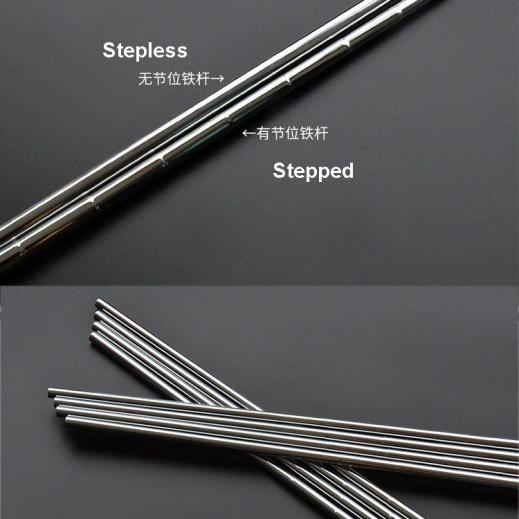
1) Steel Golf Shafts
Pros:
Durability: Steel shafts last longer and resist wear.
Consistency: Less torque (twisting) ensures straighter shots.
Control: Preferred by players who prioritize precision over distance.
Cost: Generally cheaper than graphite.
Cons:
- Heavier weight may reduce swing speed for slower swingers.
- Less vibration dampening, leading to more feedback (can be harsh for some players).
Best for: Low-to-mid handicappers, strong swingers, and players who prefer a firm feel.
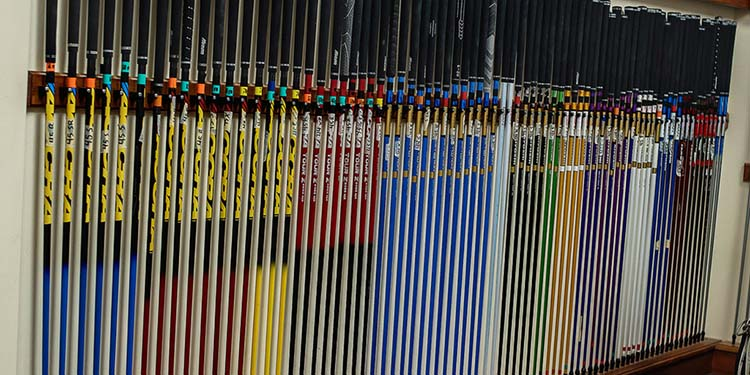
2) Graphite Golf Shafts
Pros:
- Lighter weight helps increase swing speed and distance.
- Vibration absorption reduces strain on joints (ideal for seniors or those with injuries).
- Customizable flex options suit a wider range of players.
Cons:
- Less control for aggressive swingers due to higher torque.
- Higher cost compared to steel.
Best for: Seniors, beginners, players with slower swing speeds, or those seeking extra distance.
Multi-Material & Composite Shafts
Some modern shafts blend steel and graphite (e.g., graphite tip with steel body) to balance weight, feel, and performance. These are less common but offer unique benefits for specific swing types.
- Shaft Flex: Finding the Right Fit
Shaft flex affects trajectory, accuracy, and distance. The five main flex categories are:
- L (Lady)– Very flexible, for slow swing speeds (<70 mph).
- A (Senior)– Moderate flex, ideal for 70-85 mph swings.
- R (Regular)– The most common choice for mid-speed swings (85-95 mph).
- S (Stiff) – For aggressive swingers (95-110 mph).
- X (Extra Stiff)– Only for elite players with swing speeds over 110 mph.
Tip: If your shots balloon too high or lack control, you may need a stiffer shaft. If you struggle to get the ball airborne, a softer flex could help.
3. Weight Matters: How It Affects Your Swing
Shaft weight influences tempo, swing speed, and ball flight:
- Lighter shafts (50-80g)– Increase clubhead speed but may reduce control.
- Mid-weight (90-110g)– A balanced option for most players.
- Heavy shafts (120g+)– Improve stability but require more strength.
- Key Consideration:Heavier shafts promote a smoother tempo, while lighter ones suit faster, aggressive swings.
4. Torque: The Hidden Factor
Torque measures how much the shaft twists during the swing.
- Low torque (2°-3°)– More stability, better for strong swingers.
- Mid torque (4°-5°)– A versatile choice for average players.
- High torque (6°+)– Helps slower swingers square the clubface.
- Misconception:High torque doesn’t always mean less accuracy—it depends on swing mechanics.
- Getting Fitted: Why It’s Essential
A professional shaft fitting ensures optimal performance. Key factors include:
- Swing speed(measured via launch monitor).
- Tempo (smooth vs. aggressive).
- Ball flight tendencies(high, low, hooks, slices).
- Physical condition(joint issues may favor graphite).
DIY Tip:If you can’t get fitted, test different shafts at a demo day or borrow clubs from friends to compare feel.
6. Top Iron Shaft Recommendations
Best Steel Shafts:
True Temper Dynamic Gold – Tour-proven, great for control.
KBS Tour – Smooth feel with mid-weight balance.
Nippon NS Pro – Lighter steel option for smoother swings.
Best Graphite Shafts:
Mitsubishi MMT – Combines graphite feel with steel-like stability.
Fujikura Pro Iron – High-performance graphite for speed.
UST Recoil – Excellent vibration dampening.
Advanced Iron Shaft Insights:
What Most Golfers Overlook While material and flex dominate discussions,shaft length and kick point also influence performance.
Length Variations:
Standard iron shafts range from ~35.5” (PW) to ~39.5” (3-iron). Longer shafts increase distance but reduce control. Some players “soft-step” (use a longer shaft from a weaker iron) for a smoother feel.
Kick Point (Bend Profile):
Low kick point (near the clubhead) promotes higher ball flight.
High kick point (closer to the grip) lowers trajectory for penetrating shots.
Mid kick point offers a balanced flight—ideal for most amateurs.
Frequency Matching:
Advanced club makers measure shafts’ CPM (cycles per minute) to ensure consistent flex across all irons. Mismatched frequencies can cause erratic distance gaps.
Butt vs. Tip Stiffness:
Stiff tip enhances control for diggers.
Stiff butt suits sweepers by stabilizing the grip end.
Pro Tip: If you fight a hook, a stiffer tip section may help straighten shots. Always test shafts under real conditions—simulators don’t fully replicate turf interaction.
Final Thoughts
Your iron shafts should match your swing style, strength, and goals. While steel offers control, graphite provides speed and comfort. Always test before buying, and consider a fitting to maximize performance.
Question for Readers:
What type of iron shafts do you use, and how have they impacted your game? Share in the comments!