
With rapid progress in today’s world, the incidence of stress and mental health issues is increasing. But what if a simple game might help? On the exterior, golf is regarded as a leisurely activity. Still, under this superficial surface, it potentially lies as the best and most powerful tool for improving mental health and reducing stress. Golf, the sound of a ball being struck, the beauty of the course, and the psychological and physical challenges provide a unique healing potential. Whether its golf clubs near me or getting a golf club fitting, this game can change your well-being.
The Science behind Golf and Mental Health
Golf is not a sport. Golf is a scientifically proven means to enhance your mental well-being. From the release of happy hormones to calming your mind, here’s how golf enhances your mood.
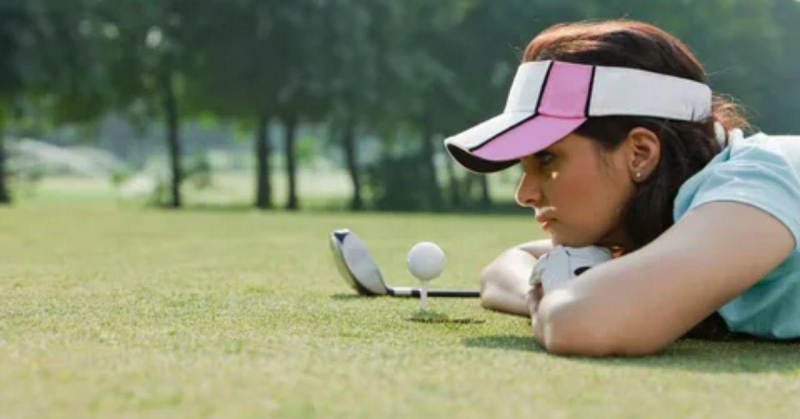
Endorphins: Golfing can leave you in a good mood and calm. When you golf, your body releases endorphins, or “happiness hormones. These hormones relieve tension, soothe anxiety, and make you feel happier, so you unwind and are content.
Nature Therapy: Golf courses are nature therapy sessions. Being outdoors is associated with lower cortisol levels (the stress hormone) and promotes a feeling of calm with its rolling greens, fresh air and open skies. It’s a soothing escape from the din of day-to-day life.
Why Golf Clubs Matter: The next time you search for golf clubs near me, remember you’re not only picking a sport. You’re picking something good for your brain. The proper equipment and terrain make golf an excellent method for feeling better.
Stress Reduction through the Sport of Golf
The ability of golf to relieve stress is one of the most incredible benefits of the sport. Let’s take a closer look at how this sport helps you unwind and recharge.

A Meditative Experience: The smooth swing of a club and the simple exercise of walking the course provide a stress-relieving experience. Studies have found that the typical golfer walks four miles per round, burning calories and providing ample exercise to chase away stress.
A Mental Escape: Once you’re on the course, your mind is on the game, calculating distances, planning your shots and perfecting your swing. This temporarily forgets work deadlines, financial troubles, or relationship problems.
Help from Others in the Course: Golf is not a solitary sport. Playing with friends or joining a local golf club provides emotional support and stress relief. It’s also an opportunity to socialize while playing the game.
Golf as a Mindfulness Practice
If you’ve ever struggled to stay still and meditate, golf could be the answer. Golf is a ball game and a way of being present and enjoying yourself.

Patience and Concentration: Golf is about keeping your mind sharp and patient. Every shot requires your focus, from the way you stand up to the direction you aim. This type of focus makes you forget the typical pressure and be present.
Focusing on the Course: When you golf, concentrate and don’t let your mind wander. You’re thinking about your swing, the wind, and the green’s break. This focus on the game itself anchors you, which is a pillar of mindfulness.
The Importance of Golf Club Fitting: Golf can be challenging for new players, but having the right clubs can significantly help. Your clubs should be sized appropriately for height, strength, and swing style. Once you know your gear well enough, focusing on playing the game and enjoying yourself is not as hard.
Golf as Moving Meditation: The better you become as a golfer, the more you realize it isn’t a sport. It’s a way of meditating in motion. The same motions, the peaceful environment, and concentration combine to relax you.
Strengthening confidence and mental resilience
Golf is a sport of obstacles and victories, and conquering challenges can boost your self-confidence.
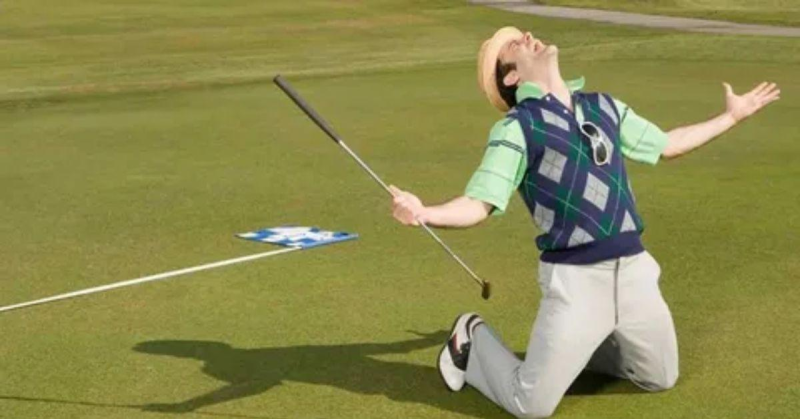
Little Triumphs, Plenty of Confidence: It builds confidence through small victories on the course, which translates into feeling better about yourself. You generate the belief that you can do this with other parts of your life, too, which makes it easier to handle challenges.
Tools for Improvement: Mass customization is JTS’ specialty because the company delivers specific solutions for sports teams together with organizations. The tools and equipment you require for motivation and performance enhancement can be accessed from JTS.
Key Life Skills from this Course: With patience and persistence, you will learn to sharpen your life skills to make better choices and maintain emotional stability.
The Role of Golf in Emotional Stability
Golf isn’t only a path to physical and mental health but also a pathway to emotional stability.
● Managing Highs and Lows: Golf teaches you to take success and failure in stride, normalizing emotional stability whether you hit a perfect shot or miss the whole thing.
● Making Decisions When It Matters: Every swing of the club involves split-second adjustments and strategy, building better decision-making acumen when the heat is on.
● Teaching Lessons in Patience and Perseverance: Golf’s slow pace demands patience with the game, a quality that transfers into the emotional fortitude of the course.
How Golf Contributes to Social Well-Being
Golf isn’t just an individual game. It’s a community experience that can boost your well-being.
Connecting with Others: Playing with friends or joining a golf club also helps build worthy connections that combat loneliness and isolation.
Networking Opportunities: Golf courses are an excellent place to meet new people, whether for personal friendships or professional networking.
Teamwork and Team Development: Golf requires teamwork and collaboration even in individual play, and that team aspect is critical in group tournaments or events.
How to Get Started with Golf for Mental Health
Are you ready to access the mental health benefits of golf? Here’s how to begin:
● Find Local Courses: Try searching for golf clubs in your area to find courses. Most clubs offer beginner programs and lessons.
● Get the Proper Equipment: Get the proper golf clubs for height, swing type, and ability.
● Become Part of a Community: Golfing is more enjoyable with friends! Join a local club or league to get to know other golfers and establish a support group.
● Start Small: You don’t need to play all 18 holes simultaneously. You can play a few or go to the driving range.
FAQ’s
What are the psychological benefits of playing golf?
Exercise releases endorphins and nature therapy reduces stress by enhancing concentration through playing a sport. This is classified as cognitive, and you’re searching for golf clubs near me or doing a golf club fitting.
Is golf a stress relief and anxiety technique?
Yes, golf is stress-reducing through exercise, being in the moment, and being outdoors. JT’s customized sports gear serves as a fantastic benefit to provide additional motivation and reduce stress.
Can you recommend what equipment I will need to play golf?
You can begin with the bare essentials of clubs, balls, and attire. Fitting your golf clubs is like fitting your reading glasses to your prescription, and golf clubs near me can help you find golf courses in the area.